
Mevushal vs Non-Mevushal Wine: What's the Difference, and Which Do You Need?
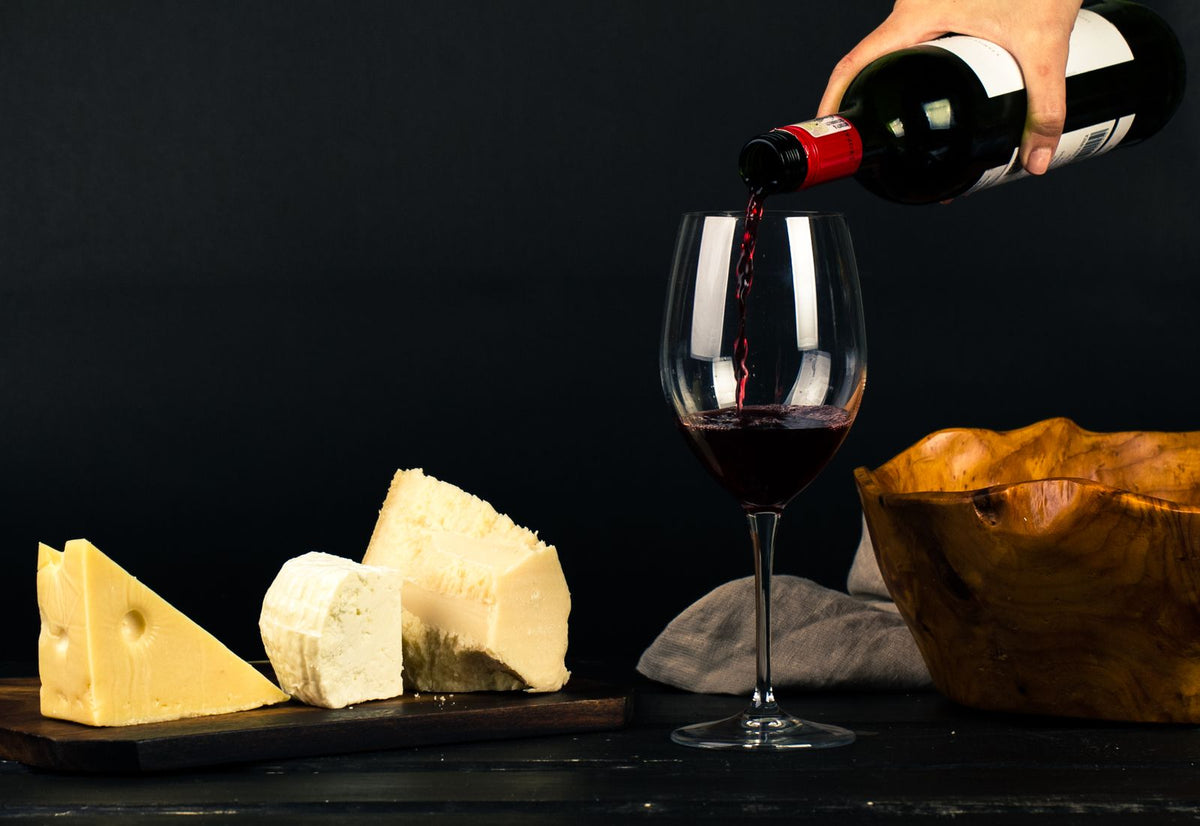
It's the first question every caterer asks and the label line most kosher wine shoppers check before anything else: is it mevushal? Here's what it means in practice, and how to decide which your occasion calls for.
What Mevushal Means
Mevushal (מבושל, "cooked") wine has been heated (today almost always by flash pasteurization, a fast heat-and-cool process) as part of production. Halachically, mevushal wine remains kosher even if it is later handled or poured by someone who is not Jewish. Non-mevushal wine has not undergone this process, and its handling carries stricter rules. For how these halachos apply to your specific situation, ask your rov.
When Mevushal Is the Practical Choice
- Catered simchas: weddings, bar mitzvahs, office events where waitstaff pour at the table.
- Restaurants and halls: most kosher establishments stock mevushal for exactly this reason.
- Gifting, when you don't know how the bottle will be served.
Browse our full mevushal collection: hundreds of options, with the certification listed on every bottle.
Does Mevushal Wine Taste Different?
The old knock was that heating dulls a wine. Modern flash pasteurization has narrowed that gap dramatically: top California and Israeli producers make serious mevushal Cabernets and Chardonnays that show beautifully. That said, most of the collectible high-end (kosher Bordeaux, boutique Israeli reds) remains non-mevushal, because winemakers prefer not to intervene when the bottle is destined for a home table.
The Simple Rule
Poured by staff at an event? Mevushal. Opened at your own Shabbos or Yom Tov table? Either works: choose on taste. Unsure how the halacha applies to your case? That's a question for your rov, not a wine store.
Shop Both at Kosher Wine Direct
Every product page at KosherWineDirect.com states mevushal status and certification. Free shipping on every case (any 12 bottles or $150). Questions? Call (347) 533-8586.