
Dry Gin vs London Dry: What the Words Actually Mean
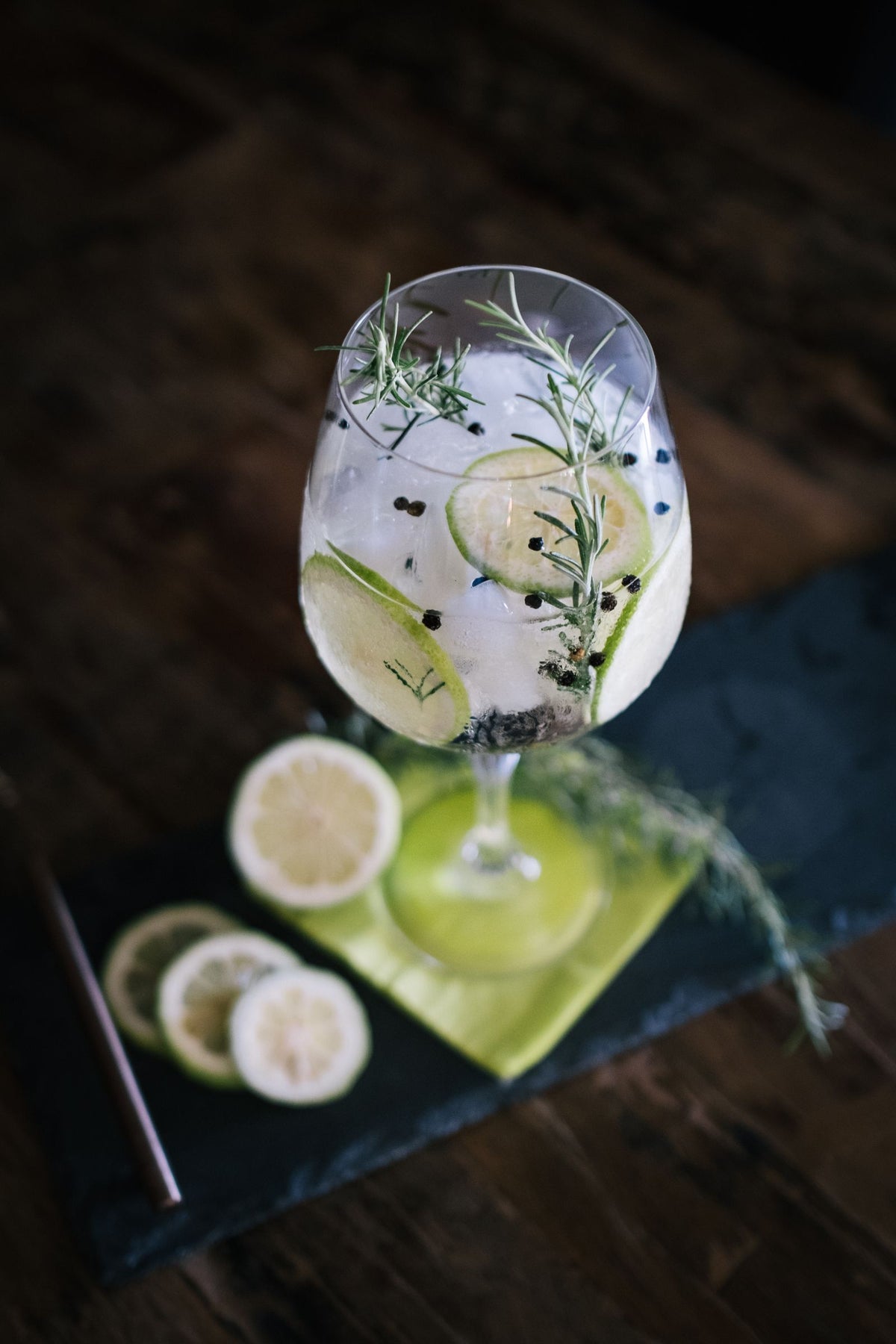
Dry gin means a gin with no sweetness added after distillation, and London Dry is the strictest, most tightly regulated version of that same idea. The words sound like marketing. They are actually rules, and knowing the difference changes which bottle you reach for when you build a drink.
Walk down any spirits shelf and you will see "dry gin," "London dry," and once in a while "Old Tom." They are not random. They describe how the gin was made and how sweet it is allowed to be. Here is what each one actually means.
What does dry gin mean?
Dry gin is gin with no significant sugar added. The flavor comes from the botanicals, juniper first, then whatever the distiller layers around it, and nothing is sweetened in afterward to round it off. That is the whole idea behind the word dry. It is the opposite of a liqueur, where sugar is doing much of the work.
Most modern gin you drink is dry gin. When you mix a gin and tonic or a martini, you almost certainly reach for a dry style, because the crisp, botanical, unsweetened profile is what plays well with tonic, vermouth, and citrus.
What is London Dry gin?
London Dry is a legal category, not a place. A gin can be made anywhere in the world and still be London Dry, as long as it follows the rules: all the flavor added through distillation, nothing but a tiny allowance of sweetening, no artificial flavors or colors dropped in afterward. It is the purist's gin, juniper-forward and clean.
Tanqueray London Dry Gin is the textbook example, bold on juniper with a sharp, almost pine-like backbone that stands up to anything you mix it with. Bombay Sapphire is the softer, more floral London Dry, lighter on the juniper and easier for someone easing into the category. Both are dry. Both follow the same rulebook. They just weight the botanicals differently.
Dry gin vs London Dry: is there a difference?
Every London Dry is a dry gin, but not every dry gin is London Dry. Think of London Dry as the tighter circle inside the bigger one. A dry gin that is not London Dry can add flavor after distillation, which opens the door to styles the strict category will not allow.
| Term | Sweetness | The rule |
|---|---|---|
| Dry gin | None added | Broad term, flavor can be added after distilling |
| London Dry | Almost none | Strict, all flavor from distillation, nothing added after |
| Old Tom | Lightly sweetened | The historic sweeter style, a bridge to old cocktails |
What is Old Tom gin?
Old Tom is the sweeter, older style, the gin that sat between the harsh spirits of the 1700s and the clean London Dry that came later. It carries a touch of sweetness, which softens the juniper and makes it the historically correct choice for a Tom Collins or a Martinez. You will not stock it first, but it is worth knowing the name so the word on a cocktail menu is not a mystery.
Which dry gin should you buy?
Match the gin to the drink. For a classic, juniper-driven gin and tonic or a proper dry martini, a bold London Dry like Tanqueray earns its place and holds its shape under ice and tonic. If you want something softer and more aromatic, Hendrick's leans on cucumber and rose rather than pure pine, a gentler pour that wins over people who think they do not like gin.
For something genuinely different, Gin Mare pulls in Mediterranean botanicals like olive, rosemary, and thyme, savory where the others are crisp, and it turns a martini into something that tastes like a warm coast at dusk. It is dry, but it is nobody's idea of London Dry, which is exactly the point of the wider category.
Frequently asked questions
Is London Dry gin actually dry?
Yes. London Dry allows only a very small amount of sweetening, so the finished spirit tastes crisp and unsweetened. The name describes the style, not a flavor of sweetness.
Is dry gin the same as regular gin?
For most bottles on the shelf, yes. The great majority of everyday gin is dry gin, so unless a label specifically says Old Tom or a sweetened style, you are almost certainly holding a dry gin.
Does dry gin have sugar?
Dry gin has little to no added sugar, and London Dry in particular is held to a strict low limit. Any sweetness you notice comes from the botanicals themselves, not from added sugar.
What is the difference between London Dry and Old Tom gin?
London Dry is unsweetened and juniper-forward with all its flavor added during distillation. Old Tom is the older, lightly sweetened style, softer and rounder, made for a handful of classic cocktails.
Which gin is best for a gin and tonic?
A crisp London Dry is the classic choice because its juniper backbone cuts through tonic. A softer, aromatic gin works well too if you prefer a gentler, more floral drink.
Start with a London Dry to learn the baseline. Once your palate knows what dry really tastes like, the softer and savory gins stop being confusing and start being fun.