
Chateau Sainte Marguerite and the Cru Classe of Provence
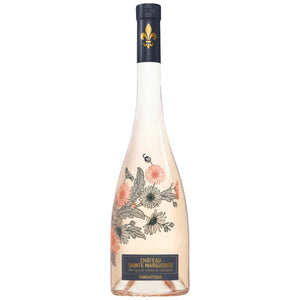
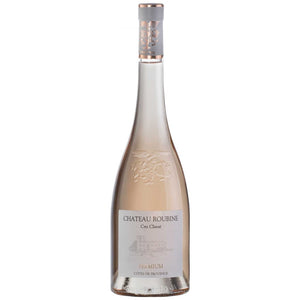
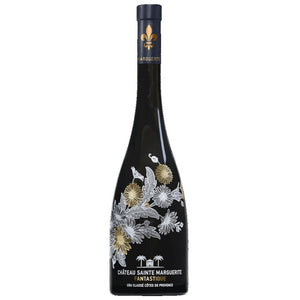

If you have been searching for Chateau Sainte Marguerite, you have probably noticed that the name turns up spelled three or four different ways: Sainte Marguerite, Saint Marguerite, St Marguerite. They are all the same estate, on the coast at La Londe in the Côtes de Provence, and it is one of the eighteen properties entitled to put the words Cru Classé on the label.
That phrase is the part worth understanding, because it is the only piece of the Provence rosé aisle that is not marketing.
What Cru Classe actually means in Provence
Bordeaux has its 1855 classification. Provence has its own, drawn up in 1955, and it was much smaller: a short list of estates judged on the land itself rather than on price or fashion. A handful of those properties were later broken up or sold off, and today eighteen estates still hold the title. There is no annual re-ranking and no way to buy in. If a bottle of Côtes de Provence says Cru Classé, it comes from one of the eighteen.
Almost no kosher Provence rosé is Cru Classé. Most of the pink wine on a kosher shelf, including some very good bottles, comes from estates outside that list. We carry two of the eighteen, and the gap between them is mostly about price and about mevushal.
The Sainte Marguerite bottles
| Bottle | Grapes | Alcohol | Mevushal |
|---|---|---|---|
| Fantastique Rosé Cru Classé | Grenache, Cinsault, Rolle | 13% | No |
| Cuvée Fantastique Red Cru Classé | Grenache, Syrah | 14% | No |
The estate is run by the Fayard family and has been farmed 100% organic since 2003, which in Provence is early. You will recognize the bottle before you read the label: heavy glass with a floral relief pressed into it, the reason people buy it as a gift without ever having tasted it.
Fantastique Rose
Chateau Sainte Marguerite Fantastique Rosé Cru Classé is the estate's selection from its best parcels at La Londe, a few hundred yards from the Mediterranean. Grenache and Cinsault give the fruit, Rolle (the grape Italy calls Vermentino) gives the lift.
It pours pearly pink with a faint golden cast. The nose is white peach and pear with something more exotic behind it, lychee and passion fruit and a scrape of grapefruit zest. The palate is dry, fresh and narrow in the good sense, and it finishes on the saline mineral edge that separates coastal Côtes de Provence from pink wine made anywhere else. It is organic and vegan, and it is Kosher for Passover.
Serve it cold with grilled branzino, herbed roast chicken, ratatouille or a mezze spread. It is a Shabbos lunch wine and a simcha wine, and the bottle does half the work on the table.
Cuvee Fantastique Red
Provence reds are the forgotten half of the region. Chateau Sainte Marguerite Cuvée Fantastique Red Cru Classé is a Grenache and Syrah selection in the same engraved bottle, carrying the OU along with Kehal Yereim of Paris.
Deep ruby, with blackcurrant, plum and dark cherry on the nose and a thread of garrigue, the dry Mediterranean scrub herb note, running under the spice and vanilla. The palate is full-bodied and smooth-tannined, blackberry and cassis with a whisper of licorice, and the finish is long. It belongs next to roast lamb, herbed beef tenderloin or seared duck. Note that unlike the rosé, the red is not Kosher for Passover.
Chateau Roubine: the Cru Classe you can hand to anyone
Chateau Roubine Cru Classé Rosé is the quiet answer to the question most people are actually asking. It is one of the same eighteen Cru Classé estates, night-harvested to keep the fruit cool and gently pressed for a pale color, and it carries the OU. It is also mevushal.
Pale salmon, white peach and wild strawberry with pink grapefruit and a hint of garrigue, dry and medium-bodied with a mineral spine and a clean, gently herbal close. At 13% it drinks easily all afternoon.
Mevushal is the practical difference. A mevushal bottle can be poured and handled by anybody without affecting its kosher status, which is why it matters at a catered simcha, a kiddush or any table where the person holding the bottle is not the person who bought it. The full explanation is in our guide to mevushal vs non-mevushal kosher wine. Roubine is the only Cru Classé Provence rosé we know of in a mevushal version, and it costs far less than the Sainte Marguerite.
Which one to buy
Buy Roubine if the wine is being poured by a waiter or passed around a kiddush, or if you simply want the classification without the gift-bottle premium. Buy the Sainte Marguerite Fantastique if the bottle is going to be looked at: a hostess gift, a sheva brachos, an engagement, a table that is already dressed. Buy the Cuvée Fantastique Red if you want to serve a Provence red to people who did not know one existed.
If none of that is the question and you just want good pink wine at a normal price, we have a separate guide to the best kosher rosé wine, and a brand guide to Chateau Maime, which is Côtes de Provence but not Cru Classé. If you are unsure what to expect in the glass, start with is rosé sweet or dry. For the wider picture of what France sends us, read the kosher French wine guide.
More in the same aisle: Kosher French Rosé and Dry Rosé.
Free shipping on orders $150+ in the lower 48.