
Is Rosé Sweet or Dry? How to Tell Before You Buy
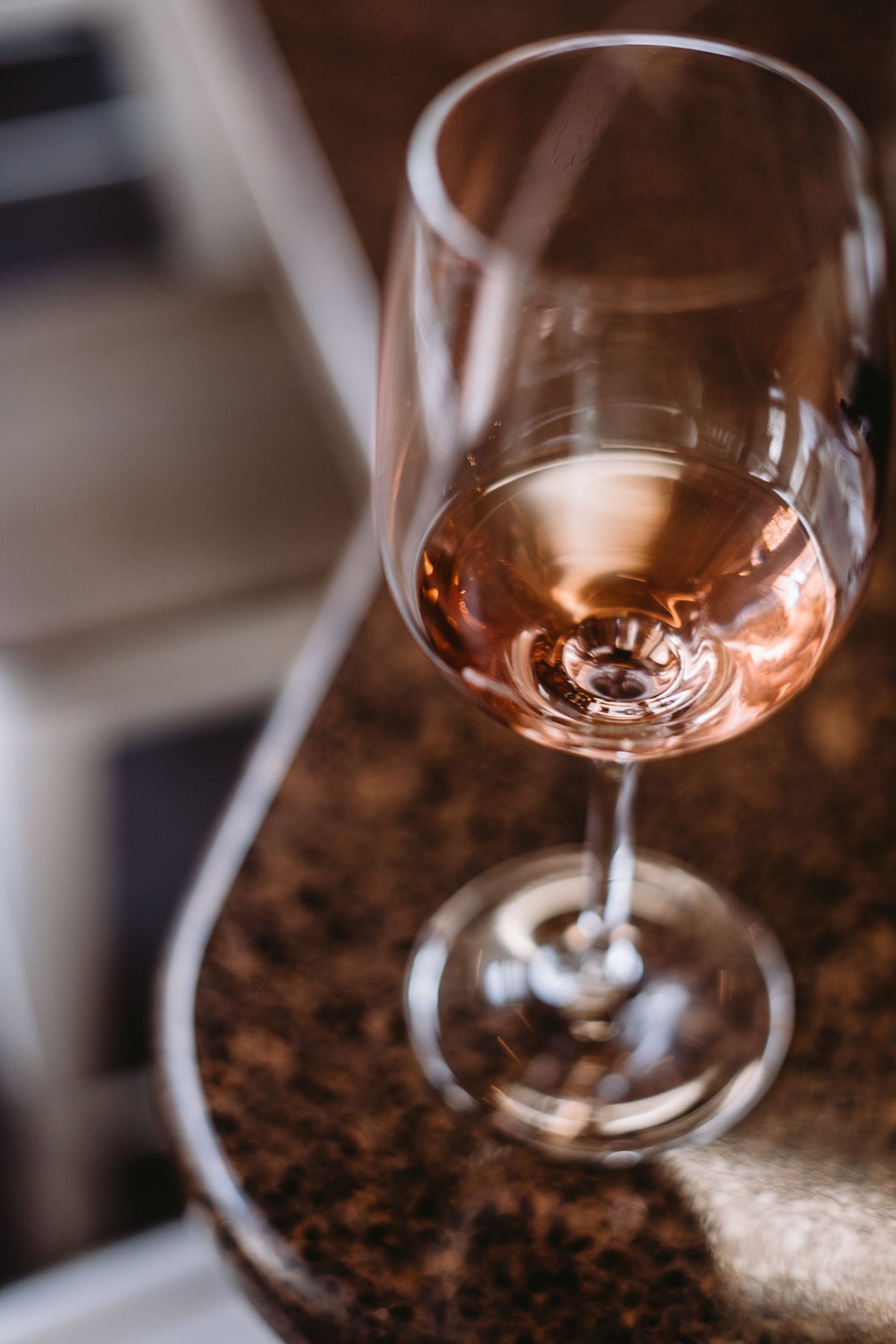
Most rosé made today is dry, and the color of the wine tells you nothing at all about its sugar. A pale, barely-blushing bottle can be sweet, and a deep watermelon-pink one can be bone dry. That single misconception is why so many people end up with a bottle they did not want.
The good news is that a dry rosé announces itself, if you know which four things on the bottle to read. None of them is the color.
Why does everyone think rosé is sweet?
White Zinfandel. In the 1970s and 80s it became one of the best-selling wines in America, it was pink, and it was distinctly sweet. An entire generation learned "pink equals sweet" from it, and the association has outlived the trend by forty years.
Meanwhile, the wine world moved. Provence built its reputation on pale, crisp, aggressively dry rosé, Israel followed with estate rosés that drink like serious wine, and the sweet pink category shrank to a corner of the shelf. Today, if you pick a rosé at random from a good wine store, dry is the far likelier outcome.
How to tell if a rosé is sweet or dry before you open it
Four tells, and they stack. If three of them point the same direction, you have your answer.
| Look at | Signals dry | Signals sweet |
|---|---|---|
| Region | Provence, southern France, Israel, Spain, Italy | Generic New World, no region named |
| Words on the label | Sec, brut, estate, the region's own name | Cream, blush, Concord, moscato, White Zinfandel |
| Alcohol | 12.5 percent and up | Under 11 percent, sometimes far under |
| Price | $18 and up | Under $10, generally |
The alcohol tell is the most reliable and the least known. Sugar left in the bottle is sugar the yeast never turned into alcohol, so a low alcohol number is usually a direct readout of residual sweetness. A rosé at 8 percent is sweet. A rosé at 13 percent almost cannot be.
What does dry rosé actually taste like?
Strawberry and white peach, a little citrus peel, sometimes something faintly herbal or saline underneath. Cold and crisp, with a finish that stops clean rather than lingering sweet. Good rosé smells like it should be sweet and then it is not, and that small surprise is exactly the pleasure of it.
The texture matters too. A well-made dry rosé has a slight grip to it, closer to a light red than to a soft white. That is why it handles real food instead of just sitting politely next to it.
Which kosher rosé should I buy if I want dry?
Follow the region tell and you will land right nearly every time.
From Provence and the south of France, Mademoiselle Rose and Chateau Loasis Rose are exactly the pale, mineral, crisp style the region is famous for. Chateau des Muraires Rose sits at the top of that group for a table where the wine is meant to be noticed.
From Israel, Dalton Estate Rosé and Domaine du Castel Rose are estate wines from producers whose reputations rest on their dry reds and whites. Estate rosé from a serious winery is a strong signal on its own: nobody builds a house style on quality and then bottles a soda.
If your budget is closer to thirteen dollars, Chateau Josephine Rose is the practical everyday pick.
And if you want the sweet one?
Say so plainly and buy it plainly. Sweet pink wine is a legitimate thing to want, particularly for a kiddush crowd or a table with people who do not drink much wine, and there is no reason to be shy about it.
Read the label backwards for this: the words that warn a dry-wine drinker away are your shopping list. Kedem Cream Rosé says "cream" on the front, and in kosher wine that word has always meant sweet. Gavioli Moscato Rose says "moscato," which is the other reliable sugar signal. Neither one is hiding anything, which is exactly what makes them easy to buy.
For a middle path, a sparkling rosé like Bartenura Sparkling Rosé gives you the festive pink bottle with bubbles doing some of the work, which tends to please a mixed table better than either extreme.
How should rosé be served?
Cold, in a white wine glass, and opened the day you drink it. Thirty minutes in ice water or two hours in the fridge gets you to the right temperature, somewhere around 45 to 50°F. Too warm and dry rosé goes flabby and the alcohol pushes forward. Too cold and it goes mute.
One thing worth unlearning: rosé is not only a summer wine. Dry rosé is one of the most food-flexible bottles in the store, and a chilled bottle next to a Friday night chicken works in February as well as it does in July.
Frequently asked questions
Is all rosé dry?
No, but the majority sold today is. Sweet styles still exist and are clearly labeled, usually with words like cream, blush, moscato, or White Zinfandel.
Is darker rosé sweeter than lighter rosé?
No. Color comes from how long the juice sat with the red grape skins, which affects flavor intensity and not sugar. Some of the driest rosés in the world are quite dark.
Is rosé a mix of red and white wine?
Almost never. Nearly all rosé is made from red grapes with brief skin contact, then fermented like a white wine. Blending red into white to make pink is prohibited in most quality wine regions.
How long does rosé last after opening?
Two to three days recorked in the fridge. It fades faster than most whites because the delicate fruit aromas are the first thing to go.
Does rosé need to be mevushal for a simcha?
That depends on who is handling and pouring the bottles at your event, not on the wine being pink. If servers may be pouring, check each bottle's product page, and our guide to mevushal versus non-mevushal wine walks through when it matters.
The short version: read the alcohol percentage, read the region, ignore the color. Then browse our full rosé collection and buy the one you actually meant to buy.