
Gin vs Vodka: The Only Real Difference
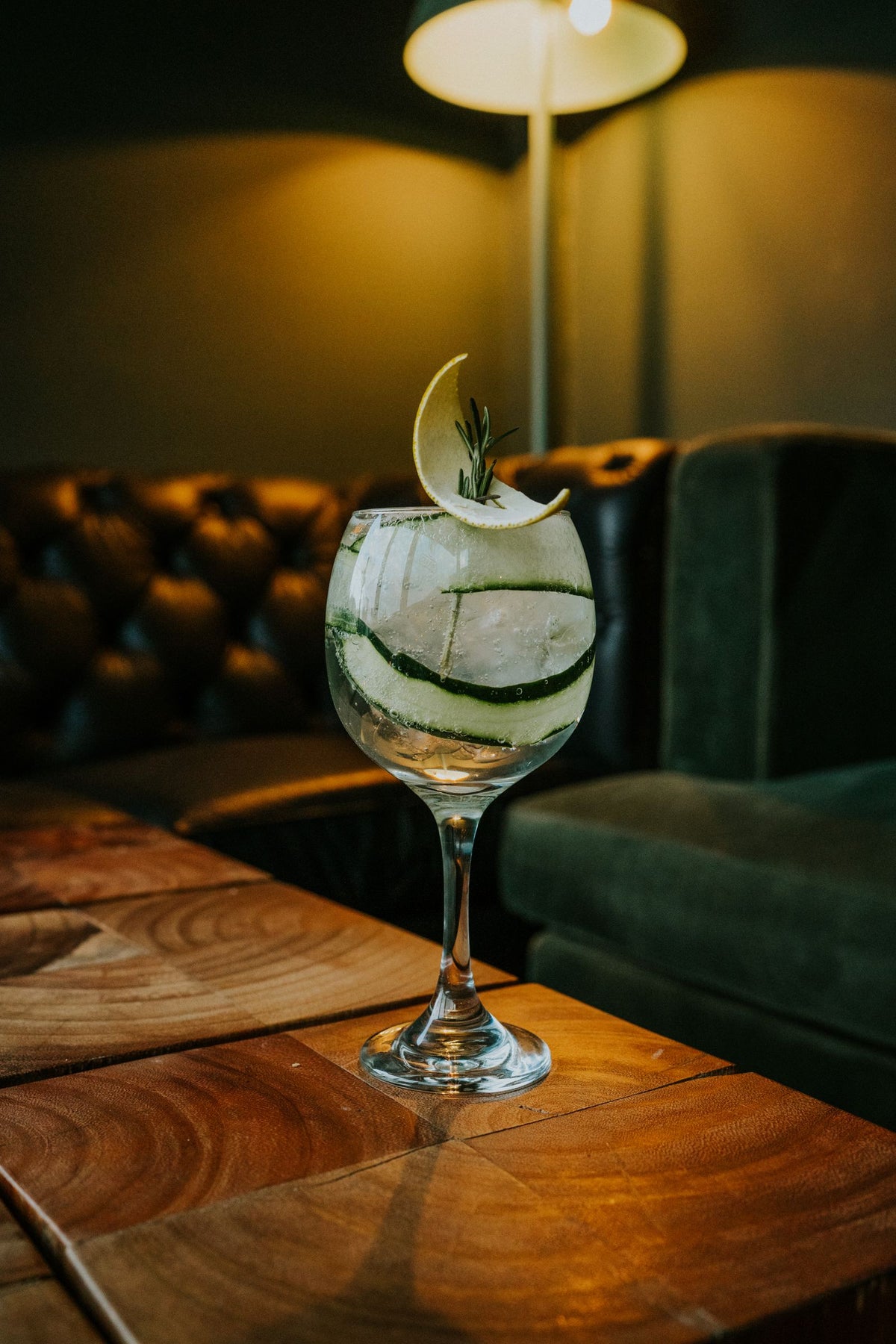
Juniper. That is the whole difference. Gin and vodka start life as the same thing, a clean neutral spirit distilled from grain or potato, and then one of them gets flavored and the other one does not. Everything else you have heard about the two is detail hanging off that single fact.
It is worth knowing because it changes how you shop. Once you understand that gin is a spirit somebody deliberately seasoned, you stop asking which bottle is "better" and start asking which one you actually want in the glass on Friday night.
So gin is just flavored vodka?
Close enough to be useful, and precise enough to matter. Distillers make a neutral base spirit, then run it through or over a bed of botanicals so the vapor picks up their oils. Juniper berries lead. Coriander, angelica root, citrus peel, and a dozen other things fill in behind. The rule that makes gin gin is that juniper has to be the dominant flavor. Drop the juniper and you have something else entirely.
Vodka takes the opposite road. The goal is to strip the spirit down, through more distillation passes and filtration, until what is left is as close to pure and neutral as the distiller can get it. Not flavorless, which is a myth, but quiet.
That is why a gin and tonic tastes like a drink and a vodka soda tastes like a canvas.
What does gin actually taste like?
A classic London dry hits the back of the nose before it hits the tongue. Pine and citrus peel, a little pepper, then it goes clean and faintly bitter and gets out of the way. Tanqueray London Dry Gin is the textbook version of that at $33.99, and it is the bottle to buy if you want to learn what juniper-forward means without guessing.
Modern gins loosen the grip. Hendrick's Gin pulls toward cucumber and rose, softer and rounder, the gin that converts people who swore they hated gin. Gin Mare Mediterranean Gin goes savory and herbal instead of floral, which makes it a genuinely interesting pour next to olives and salty things.
Three gins, three different drinks. That range is the whole argument for gin. Browse the rest of the gin shelf and you will see how wide the category runs. If you want the definitions first, start with what London dry gin actually means.
What does vodka taste like if it is supposed to taste like nothing?
Texture, mostly. Good vodka is judged on weight and finish rather than flavor. Ketel One Vodka is Dutch and wheat-based, and it drinks dry and crisp with a little bite at the end. Tito's Handmade Vodka is American and corn-based, rounder and slightly sweeter on the finish, which is a big part of why it took over American bars.
Base ingredient is the thing to pay attention to. Wheat tends to read crisp. Corn reads soft. Potato reads fuller and a touch oily in a way people either love or notice immediately. None of that is marketing. You can taste it side by side in about ninety seconds. The full version is in what vodka is actually made from.
Gin vs vodka at a glance
| Gin | Vodka | |
|---|---|---|
| Base | Neutral grain spirit | Neutral grain or potato spirit |
| What defines it | Juniper must dominate | Neutrality, no required flavor |
| Typical strength | Usually 40% ABV and up | Usually 40% ABV |
| Tastes like | Pine, citrus, spice, herbs | Clean, with texture and finish |
| Best in | Gin and tonic, martini, negroni | Vodka soda, bloody mary, straight and cold |
| Mixes with | Bitter and citrus | Almost anything |
Which one should you buy?
Buy vodka if the bottle has to serve a room. It goes with juice, seltzer, and whatever anybody brought, it will not fight the food, and nobody at the table will find it strange. That is not a knock. Being agreeable is a real job and vodka is very good at it. The vodka shelf is where to start if that is the assignment.
Buy gin if you want the drink itself to be interesting. A gin and tonic made with a bottle you chose on purpose is one of the great cheap pleasures, and it takes ten seconds to build. Gin also rewards a cold glass and a good tonic far more than it rewards spending another twenty dollars on the bottle.
If you are stocking a bar for a simcha and can only bring two clear bottles, bring one of each. Vodka handles the crowd. Gin handles the person who actually cares.
Frequently asked questions
Is gin stronger than vodka?
Not usually. Both typically sit at 40% ABV, though plenty of gins are bottled higher because the extra proof carries the botanicals better. Check the label rather than the category.
Can I substitute vodka for gin in a cocktail?
You can, and the drink will work, but it becomes a different drink. A vodka martini and a gin martini share a recipe and almost nothing else. Swap freely in anything fruit-driven, swap carefully in anything where the spirit is the point.
Which one gives less of a hangover?
Neither, in any way you can count on. What you drink alongside them, how much water you have, and how much sugar is in the mixer matter far more than gin versus vodka. Sweet mixers are usually the real culprit.
Why is some gin so much more expensive?
Botanical sourcing, small batch sizes, and how the botanicals are introduced. A gin that vapor-infuses rare botanicals in small runs costs more to make than one built at scale. Whether it is worth it depends entirely on whether you drink it neat or drown it in tonic.
Does gin go bad once opened?
It will not spoil, but it fades. The botanicals in an open bottle soften over a year or two, especially if it sits in light or heat. Vodka is far more stable. Keep both upright, capped, and out of the sun.
Start with one good bottle of each and pour them side by side, cold, in small glasses. Ten minutes and you will never need to read this article again.