
What Is London Dry Gin? The Classic Style Explained
London Dry gin is a strict, juniper-forward style with no sweetness or flavoring added after distillation, and it can be made anywhere in the world. The name fools people into thinking it is a place or a brand. It is neither. It is a rulebook, and it is the reason a London Dry from one distiller tastes recognizably like a London Dry from another.
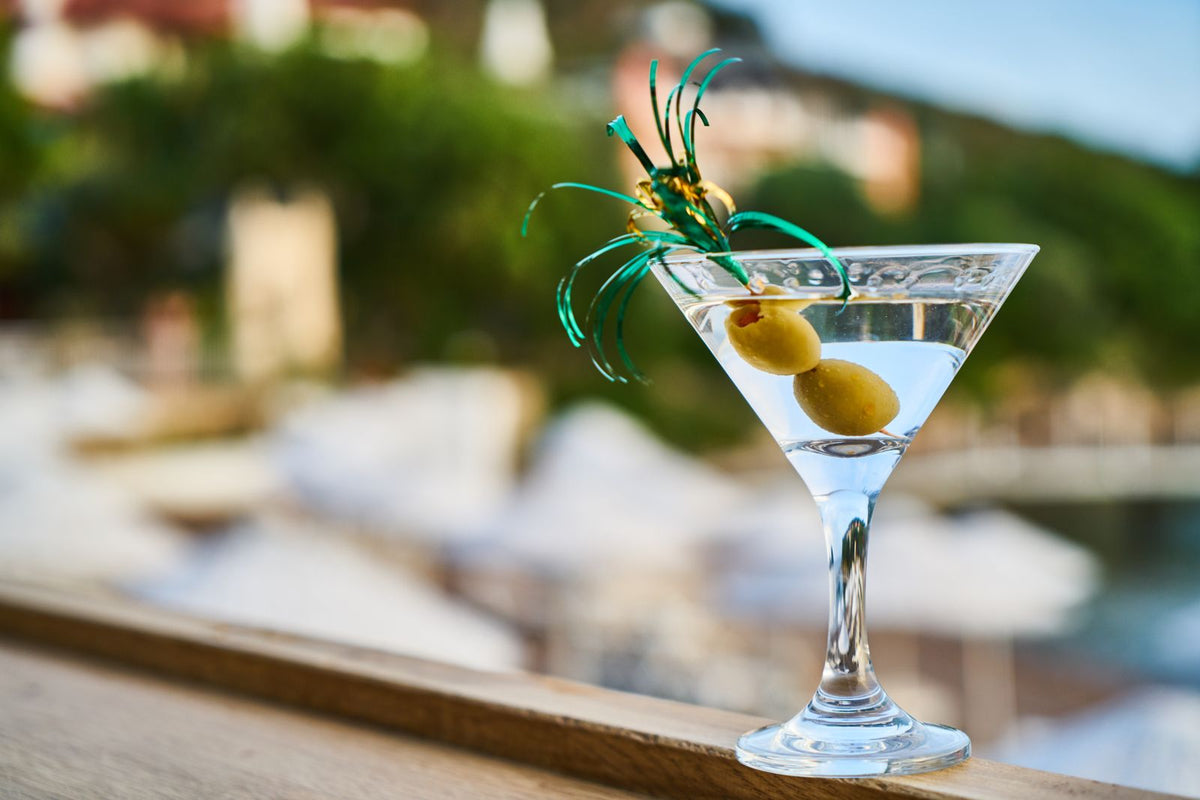
This is the classic gin, the one behind a proper dry martini and the crispest gin and tonics. Understanding what earns a bottle the London Dry name tells you a great deal about how it will drink before you ever pour it.
What makes a gin London Dry?
London Dry is defined by how the flavor gets in, not where the bottle is filled. The rules are simple and strict. Every bit of botanical flavor has to be added during distillation, not blended in afterward. Almost no sweetening is allowed. No artificial flavors or colors go in after the still. What comes off the still is what you drink, cut only with water to bottling strength.
That discipline is why London Dry tastes clean and consistent. There is nowhere to hide a flaw and nothing added later to paper over one. Juniper leads, and the supporting botanicals, usually coriander, citrus peel, angelica, and orris, arrange themselves around it in a crisp, dry frame.
What does London Dry gin taste like?
It tastes of juniper first, which reads as pine, resin, and a cool green sharpness, then a lift of citrus and a peppery, earthy base underneath. There is no roundness of sugar to soften the edges, so the flavor arrives clear and finishes clean. On ice with tonic, that sharp backbone is exactly what keeps the drink from going flat and sweet.
Tanqueray London Dry Gin is the benchmark, built on just a handful of botanicals and unapologetically juniper-heavy, the pour to reach for when you want the gin to actually taste like gin. It holds its shape under tonic and stands firm in a martini where a softer spirit would disappear.
Are all London Dry gins the same?
They follow the same rules, but distillers still choose their own botanicals and proportions, so the style has real range inside its lines. Bombay Sapphire is a lighter, more floral take, with ten botanicals that soften the juniper and make it an easier entry point for a new gin drinker. Set it next to Tanqueray and you taste two honest London Dry gins pulling in different directions, one bold and piney, one bright and delicate.
| London Dry gin | Character | Best for |
|---|---|---|
| Tanqueray | Bold, juniper-heavy, classic | Dry martini, a gin-forward G and T |
| Bombay Sapphire | Lighter, floral, approachable | Easygoing G and T, new gin drinkers |
London Dry vs other gin styles
Not every dry gin is London Dry. The broader dry-gin category allows flavor to be added after distillation, which is how you get styles London Dry rules will not permit. Gin Mare, with its olive, rosemary, and thyme, is a savory Mediterranean gin that sits outside the London Dry lines and is all the more interesting for it. Hendrick's, with its cucumber and rose signature, is another dry gin that charts its own course. For a fuller walk through those categories, see our guide to dry gin versus London Dry.
Which London Dry gin should you start with?
If you want to learn what the style is supposed to taste like, begin with the classic juniper-forward benchmark and drink it in a simple gin and tonic where nothing hides the spirit. Tanqueray teaches the baseline. Once your palate knows that dry, piney frame, a softer London Dry like Bombay Sapphire and the gins that break the rules on purpose all start making sense.
Frequently asked questions
Is London Dry gin made in London?
No. London Dry is a production style, not a geographic label. A gin made anywhere in the world can be called London Dry as long as it follows the strict distillation rules.
Is London Dry gin sweet?
No. London Dry allows only a tiny amount of sweetening, so it drinks crisp and unsweetened. Its flavor comes from botanicals, led by juniper, not from added sugar.
What is the difference between London Dry and dry gin?
Every London Dry is a dry gin, but dry gin is the broader term. Dry gin can have flavor added after distillation, while London Dry requires all flavor to come from the distillation itself.
What is the best London Dry gin for a martini?
A bold, juniper-forward London Dry works best because its backbone stands up to vermouth without vanishing. A classic benchmark bottle is the safe, correct choice for a dry martini.
Why is London Dry gin so popular?
Its clean, consistent, juniper-driven character mixes beautifully and behaves predictably in classic cocktails. That reliability is why it became the default style for the gin and tonic and the martini.
London Dry is the honest gin. What comes off the still is what lands in your glass, and once you have tasted a good one neat and cold, every other gin on the shelf finally has a reference point.