
Irish Whiskey vs Scotch: What Changes?
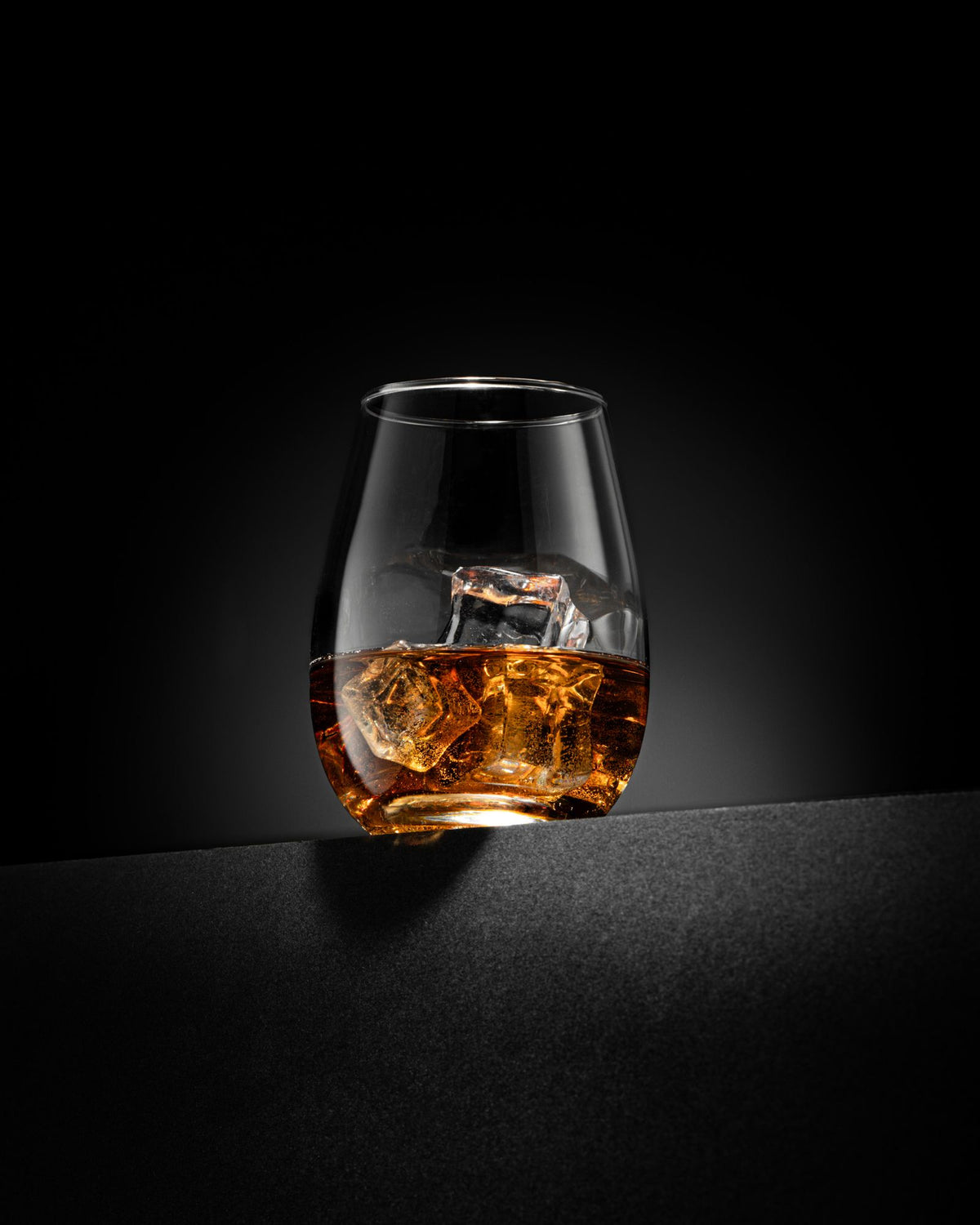
Irish whiskey is usually triple distilled and unpeated, which makes it smoother and lighter, while Scotch is typically distilled twice and can carry smoke, giving it more grip and more edges. Same grain, same barrels, two very different results.
Pour them side by side and you can see the argument before you taste it. The Irish glass smells like orchard fruit and warm cereal. The Scotch glass smells like something that happened outdoors. One invites you in. The other asks whether you are serious.
What actually makes Irish whiskey different from Scotch?
Three things, and only one of them is the famous one.
Distillation count. Most Irish whiskey is distilled three times. Most Scotch is distilled twice. Each pass through the still strips out more of the heavier compounds, so the third run leaves a lighter, cleaner spirit. That is the single biggest reason Irish whiskey reads as soft.
Peat. Scotland has a tradition of drying malted barley over peat fires, and the smoke sticks to the grain and survives all the way into the glass. Ireland largely does not do this. Not every Scotch is peated, which surprises people, but every peated whisky you are likely to meet is Scottish.
Where it is made. This is the legal part. Scotch must be distilled and matured in Scotland for at least three years. Irish whiskey must be distilled and matured on the island of Ireland for at least three years. Everything else follows from those two postcodes.
| Irish whiskey | Scotch whisky | |
|---|---|---|
| Usual distillations | Three | Two |
| Peat smoke | Rare | Common in some regions, absent in others |
| Minimum age | Three years | Three years |
| Typical character | Soft, fruity, cereal, honey | Malty, spiced, sometimes smoky or briny |
| Spelling | Whiskey, with an e | Whisky, no e |
| Easy entry price | Around $35 | Around $40 |
Which one should a beginner start with?
Irish, almost always.
Not because it is simpler, but because it is more forgiving. The lighter body means a first sip neat does not feel like a dare, and it mixes into a highball or a whiskey ginger without disappearing. Proper No. Twelve Irish Whiskey is the honest starting point here, gentle and vanilla-forward, and priced so that using it in a mixed drink does not feel like a crime.
From there, the bridge into Scotch is an unpeated Highland or Speyside malt rather than anything from Islay. Glenmorangie Original 10 Year is the classic on-ramp. It is delicate for a single malt, orange peel and vanilla and a long soft finish, and it teaches you what malt tastes like without any smoke shouting over it.
What does peated Scotch actually taste like?
Campfire. Iodine. A struck match in the best possible way.
People describe it as an acquired taste and that is fair, but the acquisition is fast. What usually happens is that the first sip is startling, the third is interesting, and by the second glass you are noticing that underneath the smoke there is fruit and salt and sweetness. If you want to understand the smoky end of Scotch without committing, it is worth reading our guide to peated Scotch first.
Worth saying plainly: if you dislike smoke, you have not failed at Scotch. Speyside is an entire region built on the absence of it.
Single malt or blended?
This is the question most people are actually asking when they ask about Irish versus Scotch, because "smooth" often means "blended" and "serious" often means "single malt."
A single malt is malted barley from one distillery. A blend combines whiskies from several. Blends are not lesser, they are a different craft, and a good one is engineered for balance. Johnnie Walker Black Label 12 Year is the case in point, a blend with a touch of smoke woven through it that costs far less than most single malts and outperforms plenty of them.
On the single malt side, Glenlivet 12 Year is the Speyside reference bottle, all pear and honey and no smoke at all, and Aberlour 12 Year takes the same region into sherry casks and comes out darker and richer, closer to dried fruit and baking spice. We go deeper on that fork in our single malt versus blended guide.
Browse the full range on the Scotch collection, or step out to the wider whiskey collection if you want Irish, bourbon and Canadian in the same view.
How to pick tonight
- Buying for someone who says they do not like whiskey. Irish.
- Buying for a gift and you know nothing else. A 12 year old Speyside single malt. Safe, respected, obviously not cheap.
- Building a bottle you will actually finish. A blend. It costs less and it takes ice and mixers better.
- Chasing the thing everyone talks about. Peated Islay. Go in expecting to be surprised.
Frequently asked questions
Is Irish whiskey smoother than Scotch?
Generally yes, and the third distillation is the main reason. That said, plenty of unpeated Speyside Scotch is every bit as gentle, so "smooth" is really about peat and distillation count rather than the country on the label.
Why is it spelled whiskey in Ireland and whisky in Scotland?
Convention, hardened into rule. Ireland and the United States generally use the e, Scotland, Canada and Japan generally do not. It tells you nothing about quality, only about origin.
Does Irish whiskey have to be triple distilled?
No. It is the dominant tradition rather than a legal requirement, and some Irish distilleries distill twice on purpose to build a heavier spirit.
Which is better for cocktails?
Irish whiskey and blended Scotch both mix beautifully. Heavily peated Scotch tends to dominate a cocktail, which is either the point or the problem depending on the recipe. Save your expensive single malts for a glass and a little water.
Are these whiskies kosher?
Certification varies by brand, bottling and cask program, so we do not make blanket statements. Our guide to whiskey and kashrus walks through what to look at, and for a specific bottle at a specific simcha, ask your rav.
Start with the Irish. Graduate to Speyside. Then one night, order the smoky one and find out who you really are.