
Is Moscato Sweet? A Complete Guide to the Blue-Bottle Wine
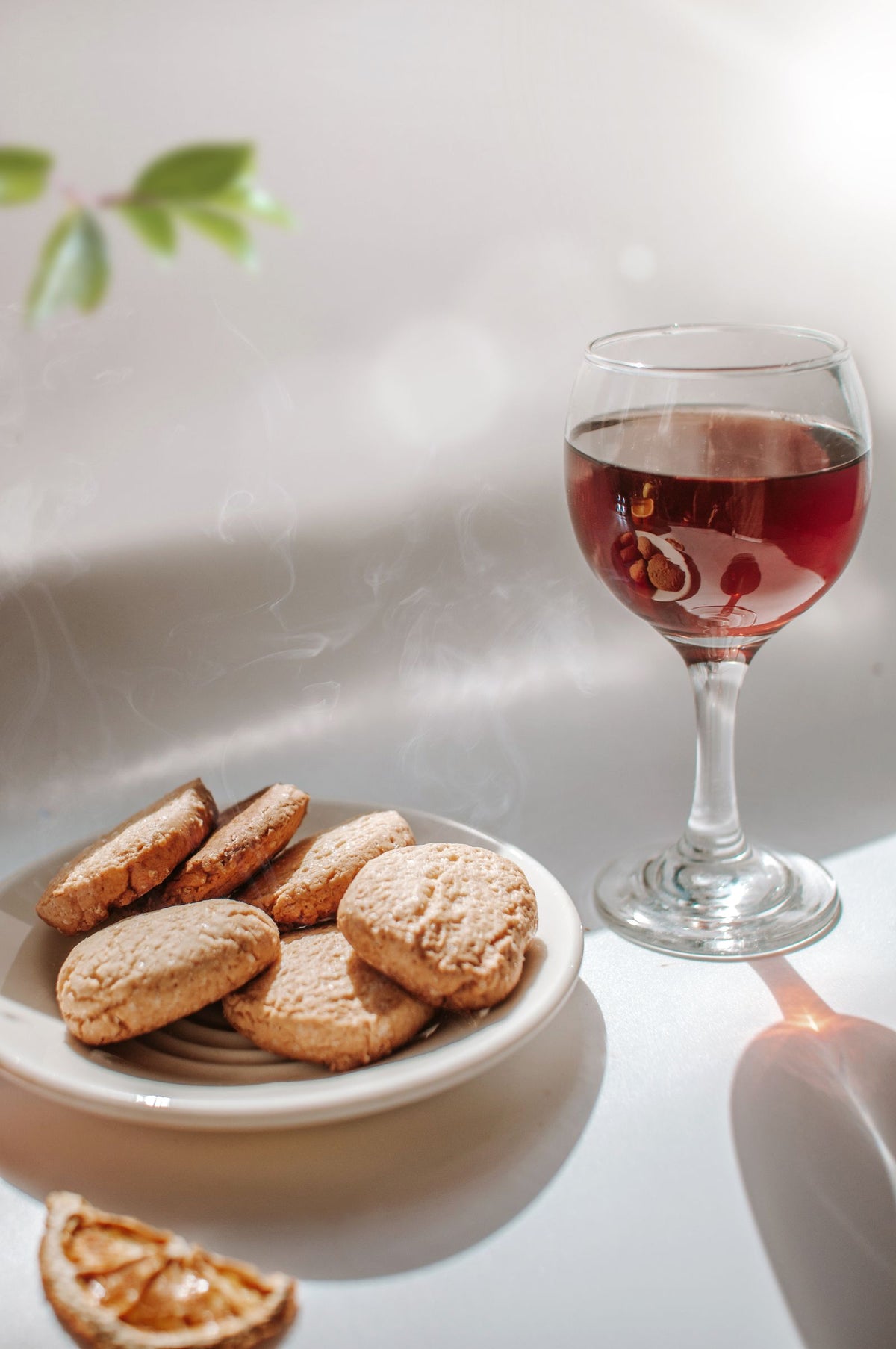
Yes, Moscato is sweet, and that is the whole point of it. It is one of the sweeter wines you can pour, light and low in alcohol, with a soft fizz and flavors of peach, orange blossom, and honey. If you have ever been handed a glass of something gold in a cobalt blue bottle at a simcha, that was almost certainly Moscato.
Shop the bottles: see every bottle in Kosher Moscato.
But sweet is a wide word. There is the syrupy kind that coats your teeth, and there is the graceful kind that tastes like ripe fruit and stops just short of dessert. Good Moscato is the second kind. Here is what it actually tastes like, why it belongs on your table, and which bottle to reach for.
What does Moscato taste like?
Picture biting into a perfectly ripe peach on a warm afternoon. That is the center of it. Around that you get a little orange blossom on the nose, a whisper of honey, and a gentle spritz that lifts the whole thing so it never feels heavy. It is usually around five to seven percent alcohol, roughly half the strength of a Cabernet, which is why you can enjoy a glass in the afternoon and still be standing for the whole kiddush.
The grape is Muscat, one of the oldest wine grapes in the world, grown across the hills of northern Italy where the best examples come from. That perfumed, grapey aroma is Muscat showing off. It is the rare wine that smells exactly the way you hope it will taste.
Is Moscato a white wine?
Most Moscato is white, made from white Muscat grapes, gold to pale straw in the glass. But the family is bigger than that. There is pink Moscato, made a little darker and berry-scented, and there are gently sparkling red cousins in the same sweet, low-alcohol style. So the honest answer is that Moscato is usually white, but not always. It is really a style, sweet and aromatic and easy, more than a single color.
Is Moscato sweet or dry?
Sweet, clearly and happily. Dry is the opposite of sweet, and Moscato sits firmly on the sweet end. If you want the driest possible version, a Moscato d'Asti or a brut sparkling will feel lighter and less sugary while keeping the pretty aromatics. If you want the full sweetness, a still Moscato delivers it. Either way, nobody has ever called a Moscato dry and meant it.
How sweet, exactly?
Less than a dessert wine, more than almost anything else you would drink with a meal. Think of the sweetness of a ripe nectarine rather than the sweetness of honey straight from the jar. That balance is what has made it the friendliest wine in the room, the one that wins over people who swear they do not like wine.
The blue bottle everyone knows
When people picture Moscato, they are usually picturing one bottle. Bartenura Moscato is the cobalt blue bottle that turned up at bar mitzvahs and weddings across the country and became, quietly, the most recognized kosher wine in America. It drinks like cold peaches and honeysuckle, it is mevushal, and it is gentle enough that guests who never touch wine will happily take a second glass.
If you want the same character with a livelier sparkle, Bartenura Asti gives you real bubbles and a touch more lift, which makes it a natural for a toast. For a sweet, faintly fizzy red in the Moscato spirit, Bartenura Malvasia di Casorzo is a beautiful surprise, all raspberries and roses. And if you would like an Italian alternative to the blue bottle, Gavioli Moscato covers the same ground with charm.
What food goes with Moscato?
Its sweetness and low alcohol make it a peacemaker at the table. A few pairings that always work:
- Spicy food. The sweetness cools the heat. Moscato and a spicy Sunday takeout is a genuinely great match.
- Fresh and creamy cheeses. Think a cheese board on a Shabbos afternoon.
- Fruit and light desserts. It flatters anything with peaches, apricots, or berries.
- On its own, cold. Honestly, this is how most people love it, poured very cold on a warm day.
How cold should you serve it?
Cold, colder than you think. Moscato shows its best straight from the fridge, around forty degrees. Warm Moscato loses its lift and starts to feel heavy, so keep the bottle on ice at a summer simcha.
Frequently asked questions
Is Moscato good for beginners?
It may be the single best wine for someone new to wine. It is soft, low in alcohol, forgiving, and immediately likable. Many lifelong wine drinkers started with a glass of Moscato.
Is Bartenura Moscato mevushal?
Yes. Bartenura Moscato is mevushal, which means it keeps its kosher status even after being poured by someone who is not observant. That is exactly why it is the safe choice for a wedding or kiddush where many hands touch the bottle.
How much alcohol is in Moscato?
Usually between five and seven percent, roughly half of most red or white table wines. That lightness is part of its charm.
Does Moscato go bad once opened?
Recork it, keep it in the fridge, and it will be lovely for two or three days. The bubbles in a sparkling version will fade faster, so those are best finished the same day, which is rarely a problem.
Moscato asks nothing of you. Pour it cold, share it widely, and watch it disappear. If you want to start with the one everyone recognizes, the blue bottle is waiting.
Ready to pick one? Browse Kosher Moscato.