
Kosher Brandy: Slivovitz, Stock 84 and the Whole Shelf
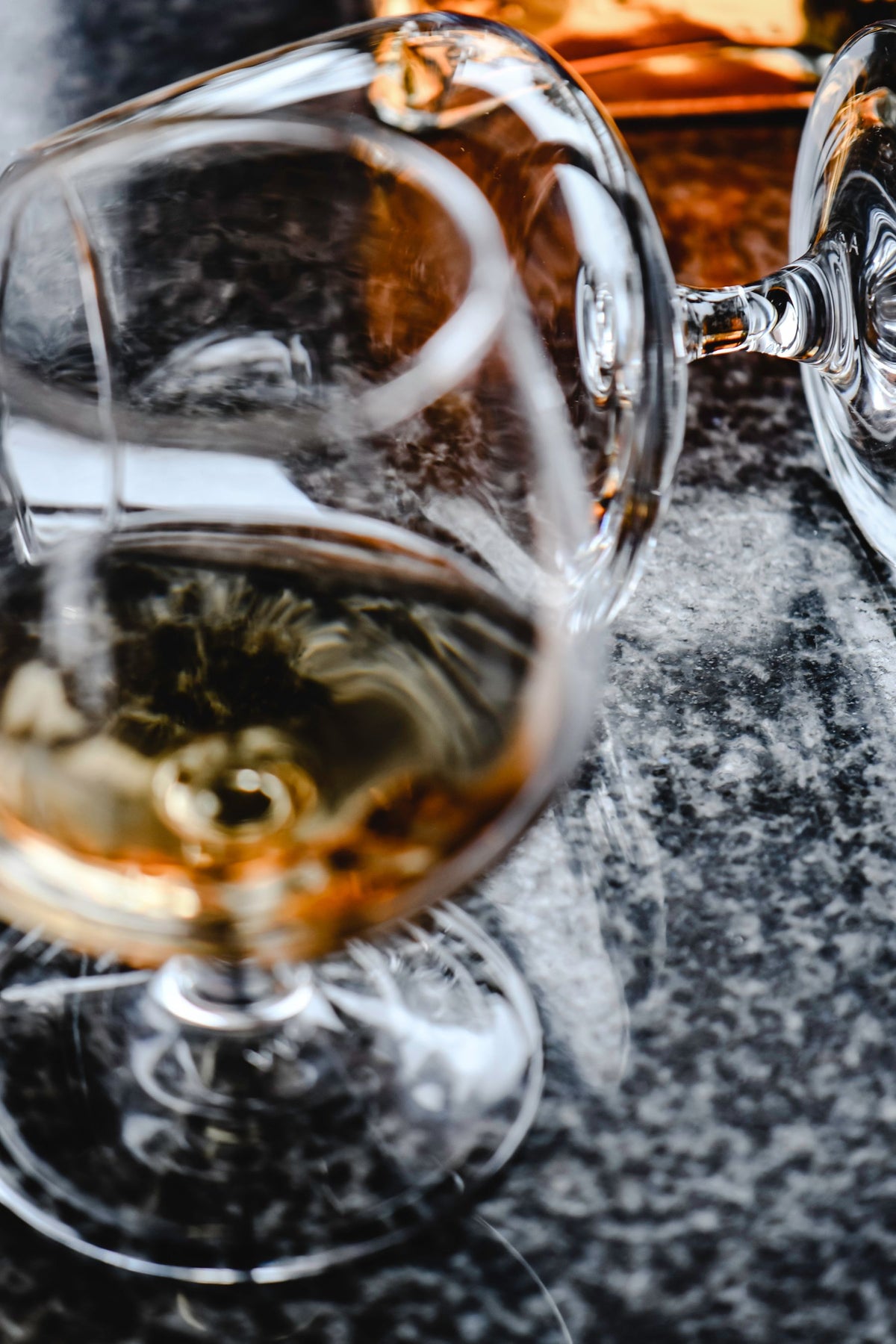
Brandy is the oldest spirit on a Jewish table and the one people know least about. It is at every bris, every Purim farbrengen, every kiddush club, and almost nobody can tell you what separates the twenty dollar bottle from the two hundred and fifty dollar one.
Here is the whole shelf, cheapest to dearest, and what each bottle is actually for.
What brandy is
Distilled fruit. That is the entire definition. Take fruit, ferment it into wine, then distil the wine into something stronger. If the fruit is grapes you get brandy in the ordinary sense. If it is plums you get slivovitz. If it is figs you get boukha. If it is apricots you get apricot brandy.
Whiskey is distilled grain, and vodka can be distilled almost anything. Brandy is fruit. Everything else (the barrels, the age, the letters on the label) is decoration on top of that one fact.
Which also explains why brandy matters at a Jewish table more than most spirits do. Grain is a problem on Pesach. Fruit is not. A plum brandy is naturally in a different position from a rye whiskey, which is why so much of what you see at a seder-season kiddush is brandy of one kind or another. Check the marking on each bottle rather than assuming, but the category starts from a friendlier place. The Kosher for Passover spirits shelf is the place to look.
Slivovitz: the plum one
The bottle your grandfather meant when he said brandy. Slivovitz is plum brandy from Central Europe, and R. Jelinek in the Czech Republic has been the name on it for well over a century. It is not sweet. People expect sweet because it is made of fruit, and then it arrives dry, sharp and bracing, and that is the point.
- R. Jelinek Slivovitz 5 Year Plum Brandy, 750ml, $29.99: five years in wood, marked Kosher for Passover. The standard bottle.
- R. Jelinek Silver Slivovitz 5 Year, 700ml, $29.99: the same house, the silver label.
- R. Jelinek Bohemian Apricot Brandy, 750ml, $32.99: apricots instead of plums. Softer, rounder, a little more perfume. The one to hand somebody who says they do not like slivovitz.
Thirty dollars is the going rate and it has been for years. Slivovitz is drunk cold, in a small glass, in one or two swallows, and it does not need anything done to it.
Stock 84: the twenty dollar Italian
Stock 84 VSOP Riserva Invecchiata, 750ml, is $19.99, and it is probably the most quietly useful bottle in this whole guide.
Stock is Italian, founded in Trieste in 1884, which is where the 84 comes from, not a proof and not a recipe number. VSOP on an Italian brandy means the same thing it means on a cognac: the youngest spirit in the blend has had a few years in oak. Riserva Invecchiata is simply Italian for aged reserve.
At twenty dollars this is the cooking-and-kiddush bottle. It goes in the pan, it goes in the coffee, it goes in the little glasses on the table after davening, and nobody needs to feel bad about the pour. It is not a bottle to nurse in an armchair. It was never trying to be.
Fig, and the Tunisian bottle
Boukha Bokobsa Fig Brandy, 1L, is $32.99. Boukha is a Tunisian Jewish spirit: distilled figs, clear, unaged, bone dry. The Bokobsa family have been making it since 1880 and it followed the community from Tunis to France.
It tastes nothing like a fig looks. There is no sweetness at all. It is dry and clean with the fruit sitting somewhere behind the alcohol rather than on top of it, and it is drunk very cold, often straight from the freezer, sometimes over ice with a little water. If your family is North African this is not an exotic bottle, it is the bottle. For everybody else it is the most interesting thirty-three dollars on the shelf.
The Israeli brandies
- Ashkelon VS Brandy, 750ml, $29.99: a straightforward VS grape brandy, marked Kosher for Passover.
- Carmel 777 Brandy, 700ml, $49.99: the famous one. Oak-aged, Badatz, Kosher for Passover. Carmel has been making 777 for generations and it is the brandy an enormous number of Israeli households simply have in the cabinet.
- Psagot XO Brandy, 750ml, $249.99: the top of the shelf. Judean Hills, Badatz, XO. This is a gift bottle and a serious after-dinner pour, not a mixing brandy.
What VS, VSOP and XO actually mean
Three letters that do one job: they tell you how long the youngest spirit in the blend sat in oak. Not the average, not the oldest. The youngest.
VS is the entry level, VSOP is the middle, XO is the old one. That is why the price ladder on this page runs almost exactly along those letters, from Ashkelon VS at $29.99 to Psagot XO at $249.99. More time in a barrel costs more money, because the barrel is doing the work and the distillery is not selling the bottle while it waits.
We took the whole system apart in VS, VSOP and XO explained, including where cognac fits and why every cognac is a brandy but almost no brandy is a cognac.
The one that costs least
Godet Saint Louis Brandy, 750ml, is $19.99 and it is French, from a Cognac house that dates to the seventeenth century, marked Kosher for Passover. Alongside Stock 84 at the same price, it is the other twenty dollar bottle worth knowing about: a little more polished, a little more of a sipper.
So which one
Short version, because that is what most people want.
- For the kiddush table and the kitchen: Stock 84 at $19.99 or Godet Saint Louis at $19.99.
- For a bris, a farbrengen, or anybody over sixty: Jelinek Slivovitz at $29.99. There is no substitute and everyone knows it.
- For somebody who thinks they do not like brandy: the Jelinek apricot at $32.99 or the Boukha fig at $32.99.
- For a gift: Carmel 777 at $49.99 if you want the name people recognise, Psagot XO at $249.99 if you want the bottle nobody expected.
The whole brandy and cognac shelf runs to about thirty-five bottles, cognac included. We ship anywhere in the country.