
The Rashi Range Explained: Joyvin, Claret and Concord
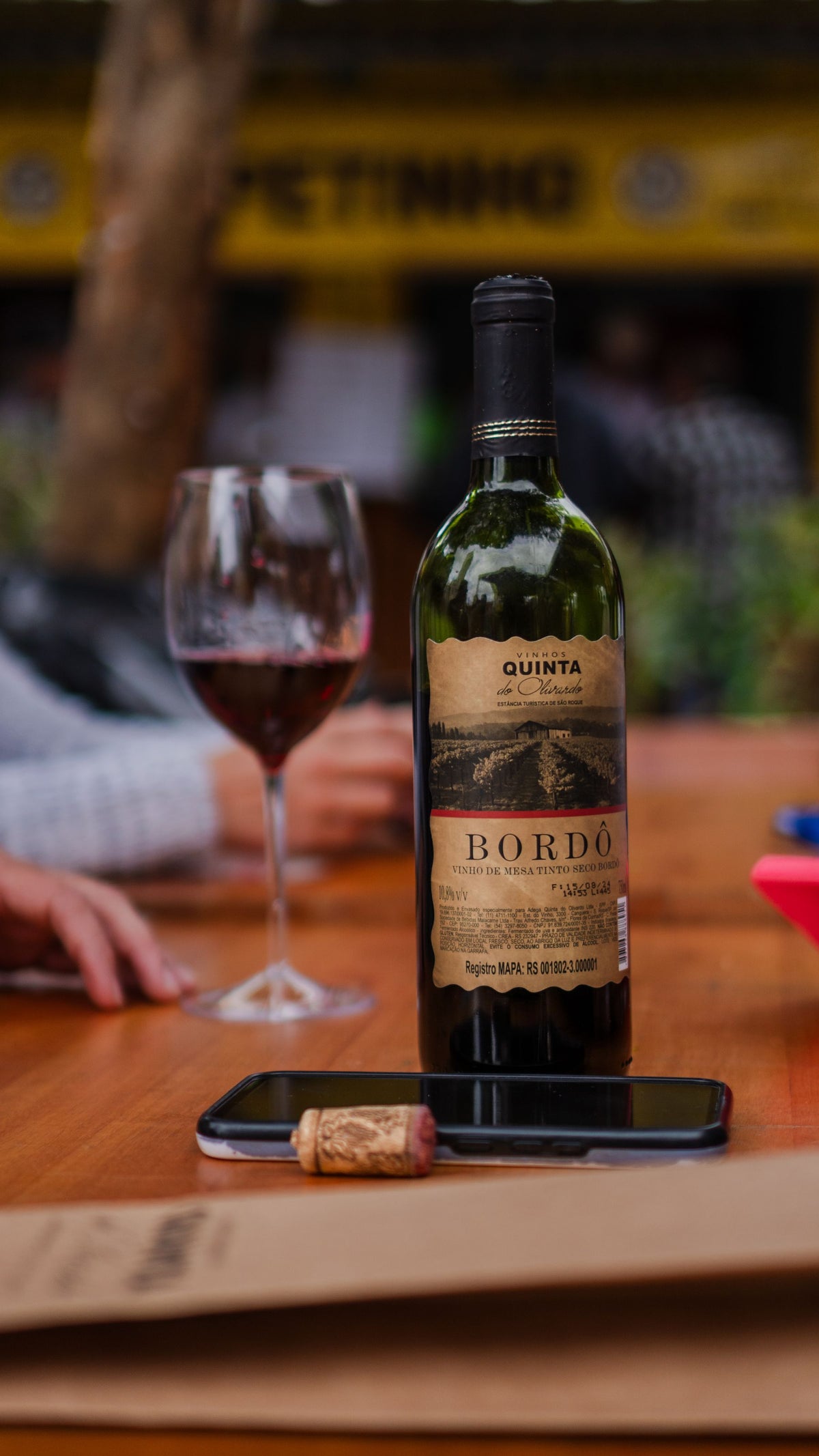
Rashi is one of those names that has been on Shabbos tables so long that nobody stops to ask what the different bottles actually are. There are seven of them on our shelf, from $7.99 to $19.99, and they are not variations on one wine. Two are Italian, four are from New York, and the alcohol runs from 5 percent to 11 percent. Here is the whole range in order.
The short answer
- Light Concord - $7.99, 5 to 6 percent. Sweet, barely alcoholic, the grape-juice end.
- Joyvin - $12.28, 10 percent. Italian, semi-sweet, the crowd pleaser.
- Claret - $12.48, 11 percent. Italian, semi-dry. The one for the dry drinkers.
- Black Muscat - $19.99, 11 percent. Semi-sweet and aromatic. The best bottle of the seven.
Who Rashi actually is
The name comes from Rabbi Shlomo Yitzchaki, the eleventh-century commentator, who made his living as a vintner in Troyes. The brand belongs to Royal Wine, the same house behind Kedem and Baron Herzog, and it is split across two production homes: the Joyvin and Claret bottles come out of Italy, and the Concord and Black Muscat wines are made in New York State.
Every bottle in the range is mevushal and carries OU certification. That matters more than people realise at a catered event or a kiddush - mevushal wine stays kosher no matter who pours it. We explained the difference here.
The Light Concords - $7.99
Three bottles, same idea: Light Red at 6 percent, Light Pink at 5 percent, and Light White. Concord grapes from New York, sweet, and deliberately low in alcohol.
Do not think of these as weak wine. Think of them as the bottle you put out when the table includes people who are not really drinking - the grandparents, the teenagers making kiddush, anyone who wants a full glass and not a headache. At 5 or 6 percent you can have a real pour and stay level. They are also all kosher for Passover.
Joyvin Red and White - $12.28
Joyvin Red is the bottle most people picture when they hear the brand. Italian red blend, 10 percent, semi-sweet, full of red cherry and plum and grape. It is soft, juicy and completely undemanding, and it pairs with the food it actually gets served with - brisket, chicken, kugel. Serve it lightly chilled.
Joyvin White is the same idea in white: semi-sweet, 10 percent, easy. Worth knowing that the white is kosher for Passover and the red is not, which catches people out every spring.
Claret - $12.48
Rashi Claret is the one that gets overlooked, and it solves the most common table problem there is. Same price as Joyvin, but semi-dry at 11 percent - red cherry and plum with cedar and dried herb behind it, and a clean, gentle finish instead of a sweet one.
If half your guests want sweet and half want dry, this is the bottle that gets you through the meal without opening two.
Black Muscat - $19.99
Black Muscat is the top of the range and, honestly, the most interesting wine Rashi makes. Black Muscat is an aromatic grape - you get rose petal and ripe grape and berry compote on the nose before you taste anything. The palate is soft and sweet with low acidity and no tannin bite at all.
This is the semi-sweet Kiddush red that adults genuinely enjoy rather than tolerate. It is OU-P and kosher for Passover, it drinks beautifully alongside honey cake or dark chocolate, and it is the obvious pick off this range for the Rosh Hashanah or yom tov table.
Passover, at a glance
This trips people up every year, so plainly: the Concords, Joyvin White and Black Muscat are kosher for Passover. Joyvin Red and Claret are not. Same brand, same shelf, different answer - check the bottle in your hand, not the name on it.
Which to buy
For a big table where the wine just needs to be pleasant and cheap, Joyvin Red. For a table split between sweet and dry, Claret. For guests who are not really drinking, the Light Concords. For yom tov, when you want the Kiddush cup to be worth something, Black Muscat.
The full range sits in the Rashi collection, and the rest of the sweet-and-mevushal end of the shop is in Kiddush Wines. If Rashi is where you started and you want to see where the same house goes at the higher end, the Herzog ladder picks up from there.