
Sweet Wine for Rosh Hashana: A Practical Guide to Building Your Table
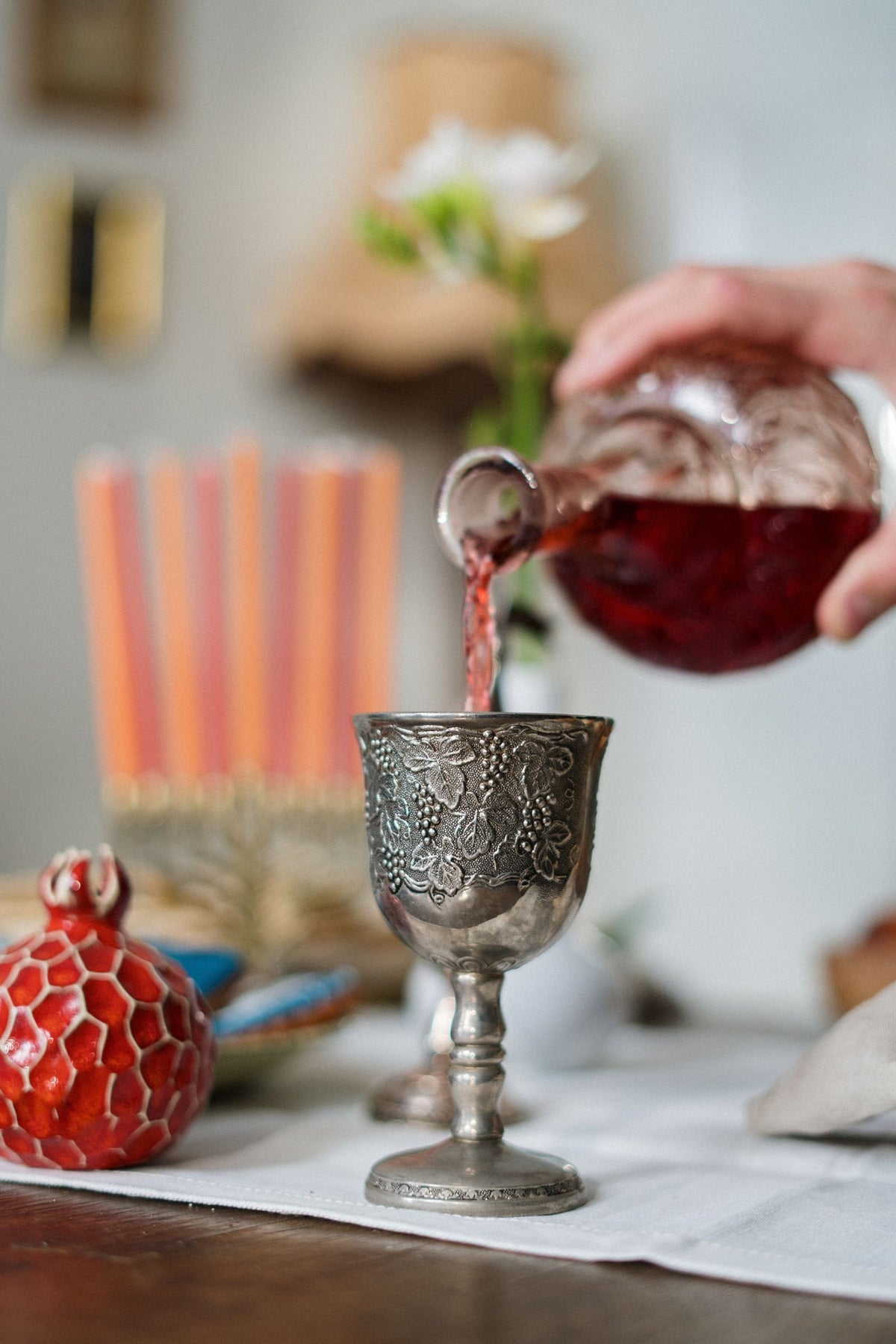
Every Rosh Hashana table runs on the same idea: we want the year ahead to be sweet, so we put sweetness on the table and say so out loud. Apples and honey, dates, pomegranate, a round challah. The wine is part of that same sentence.
But "sweet wine" covers an enormous amount of ground, from a low-alcohol Concord that a great-grandparent would recognize to a late harvest dessert wine that belongs at the very end of the meal. Here is how we think about building a table, and what actually works for a crowd.
Start with the Kiddush wine
Kiddush is the one bottle everyone at the table will taste, so it is worth getting right. For most families that means a sweet Concord: deep, grapey, low in alcohol, and familiar in the best way.
Kesser Concord Grape Sweet is the straightforward choice and we keep it in real depth. Carmel King David Concord is the Israeli version of the same idea, which is a nice touch on a holiday about beginnings. And Manischewitz Concord in the 1.5L magnum is simply practical: one bottle covers a long table without a second trip to the kitchen.
If you have people who want to make Kiddush but not commit to a full glass of alcohol, Kedem Matuk Kal is a genuinely light option that still tastes like a holiday wine.
Moscato is the peacemaker
If you are feeding a table with mixed tastes (people who love sweet wine, people who claim they do not, teenagers, grandparents) Moscato is usually the bottle that quiets the debate. It is lightly sparkling, low in alcohol, floral, and almost impossible to dislike.
Bartenura Moscato in the blue bottle is the one most people already know, and it earns its reputation. Bartenura Asti is the drier, more grown-up cousin if you want a little more structure. Teperberg White Moscato is the Israeli entry, sweet and sparkling both.
For something a shade different on the table, Gavioli Moscato Rosé brings the same easy sweetness in pink.
The sweet sparkling red nobody expects
This is our favorite recommendation of the season because it surprises people. Bartenura Malvasia di Casorzo is a sweet, lightly fizzy red from Piedmont: strawberry and rose petal, served chilled. It looks festive in the glass, it goes with honey cake, and half your guests will ask what it is.
End the meal properly
Dessert wine is the part most tables skip, and it is the easiest way to make a holiday meal feel finished rather than simply over. These are meant for small glasses, poured after the main course is cleared.
Herzog Late Harvest Chenin Blanc is honeyed and apricot-driven: thematically perfect for a holiday built around honey. Herzog Late Harvest Zinfandel is the red counterpart, richer and darker, good with chocolate or a dense cake. Kedem Cream Niagara White is the sweeter, more traditional option in the same slot.
One new thing for the honey theme
If you want something on the table that nobody has had before, we just brought in Mountain Peeks Cinnamon Honey Arak: the traditional anise spirit made with real cinnamon and honey, distilled in Mountaindale, New York. It is cRc certified and parve, so it pours after a meat meal, and it clouds over ice the way arak should. On a holiday about honey and a sweet new year, it is a fitting pour. Keep it refrigerated; the honey in it is real.
What mevushal actually means, and when to care
You will see the word mevushal on a lot of these labels, and it causes more confusion than almost anything else in kosher wine.
Mevushal wine has been flash-heated during production. The practical result is that it remains kosher even when the bottle is opened and poured by someone who is not Jewish. For a home table where family is pouring, it makes no difference at all. It matters when you are hosting widely, using a caterer, or having hired staff serve, which describes a lot of Yom Tov meals.
The short version: if the pouring may be done by someone outside your household, mevushal removes the question. If it is just family, drink whatever you like. The finer points vary between communities and poskim, so please ask your rov about your own situation rather than relying on a shop. Most of the bottles above are mevushal, and we note it on each product page.
How much to actually buy
The honest rule of thumb is roughly half a bottle per adult across a full Yom Tov meal, and then buy one or two more than that number. Rosh Hashana runs two days with multiple meals, and running out mid-Yom Tov is not a problem you can solve.
If you are buying for the full holiday, it is worth putting the order together in one go: a mixed case is almost always cheaper per bottle than picking up singles, and it means one delivery instead of three.
A kesiva vachasima tova from all of us. May it be a sweet one.
Our Rosh Hashanah top picks
Twenty-four sweet and semi-sweet kosher wines for kiddush, the simanim and the yom tov table: hand-picked, all in stock.
Shop Best Kosher Wines for Rosh Hashanah
Also browse all Rosh Hashanah wines and Rosh Hashanah wine gifts.