
Tequila vs Mezcal: What's Actually Different
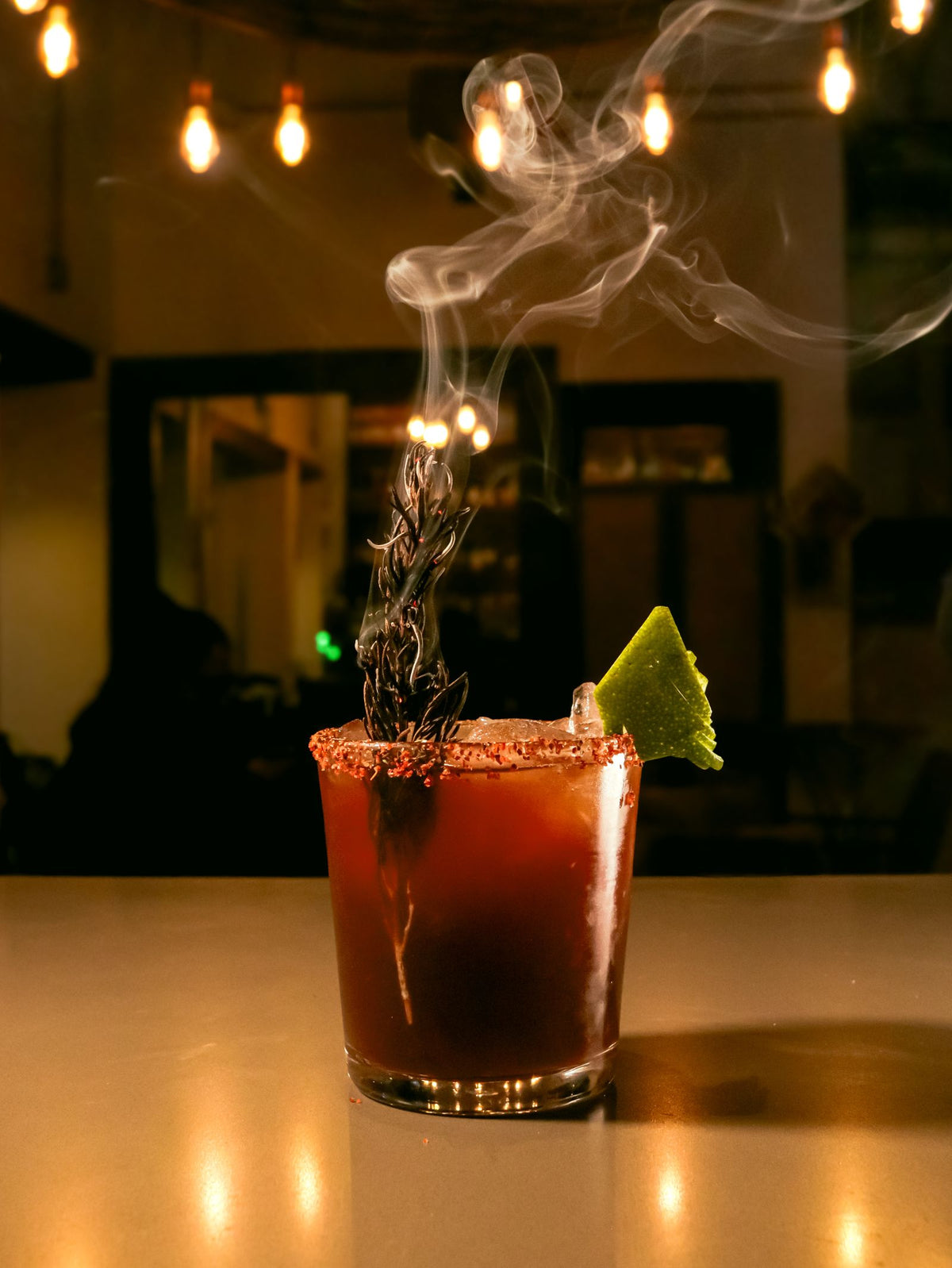
All tequila is technically a type of mezcal, but the two drink nothing alike: tequila must be made from blue Weber agave and tastes clean and peppery, while mezcal can use many agave varieties and gets its signature smoke from roasting the agave hearts in earthen pits. That one production difference, oven versus fire pit, explains almost everything you taste in the glass.
Think of it the way you think of scotch. Tequila is the unpeated Speyside of agave: bright, precise, approachable. Mezcal is the Islay: smoky, wilder, the one people either fall in love with or push politely away. Neither is better. They are two answers to the same plant.
What actually makes them different?
| Tequila | Mezcal | |
|---|---|---|
| Agave | Blue Weber only | Dozens of varieties, espadín most common |
| Where | Jalisco and a few neighboring states | Mostly Oaxaca |
| How the agave is cooked | Steamed in ovens or autoclaves | Roasted in underground fire pits |
| Flavor | Citrus, pepper, cooked agave sweetness | Smoke, earth, roasted fruit |
| Best first use | Margaritas, sipping a reposado | Sipping neat, a smoky twist on a cocktail |
What does the smoke actually taste like?
Mezcal's roasting pits are lined with hot volcanic stone, and the agave hearts spend days in there under earth and smoke. The result lands somewhere between campfire and roasted sweet potato, with the agave's fruit still underneath. Casamigos Mezcal ($89.99) is the gentlest possible introduction: the smoke drifts over the glass like the last hour of a barbecue rather than punching through it, with soft vanilla and cooked agave beneath. If you have ever liked a peated scotch, you already know whether you will like this.
Tequila's three ages, in one minute
Tequila is labeled by how long it rests in oak. Blanco (unaged) is the brightest and most agave-forward: Don Julio Blanco ($49.99) for sipping, or 1800 Silver ($34.99, and a full liter) for the margarita pitcher. Reposado rests two months to a year and picks up vanilla and caramel while keeping the pepper; Casamigos Reposado ($62.99) is the crowd favorite here, smooth enough that it converts whiskey drinkers. Añejo goes past a year and drinks closest to a whiskey. And at the luxury end, Clase Azul Reposado ($184.99) arrives in its hand-painted ceramic decanter, which is why it has become the gift bottle of choice for a chosson or a milestone birthday.
Which one should you buy?
- For margaritas and mixed drinks: a blanco tequila. Save the smoke and the age for sipping.
- For a first sipping bottle: a reposado. It is the friendliest middle ground.
- For the adventurous drinker on your list: mezcal. It is the bottle they probably do not own yet.
- For a statement gift: Clase Azul. The bottle alone says what you mean.
A word on kashrus
Plain, unflavored tequila and mezcal are distilled from agave, and many unflavored bottlings are widely accepted by kosher consumers; flavored and cream versions are a different conversation entirely, since added ingredients change the picture. We went deeper on this in our guide to which tequilas are kosher. When in doubt, ask your rav, and stick to unflavored.
The full tequila collection and the smaller, smokier mezcal shelf are both a click away, and everything ships straight from our warehouse.
Frequently asked questions
Is mezcal stronger than tequila?
Not inherently. Both are typically bottled around 80 proof. Mezcal tastes more intense because of the smoke, but the alcohol is in the same range.
Why is mezcal more expensive than tequila?
Scale and labor. Most mezcal is still made in small batches, with agave that can take a decade or more to mature and a pit-roasting process that resists automation. You are paying for hands, time, and fire.
Is the worm real?
The worm is a marketing flourish found in some low-end mezcal bottles, not a mark of quality or tradition. Good mezcal does not need one, and none of the bottles we carry come with a passenger.
What is the difference between reposado and añejo?
Barrel time. Reposado rests in oak between two months and a year; añejo rests longer than a year. More time means more vanilla, caramel, and wood, and a step further away from fresh agave brightness.
Can you make a margarita with mezcal?
Yes, and it is excellent: the smoke plays beautifully against lime. Swap mezcal one-for-one for tequila in your usual recipe, or split the base half and half for a gentler version.