
What Is Potato Vodka? Chopin, Lvov and Why It Matters for Pesach
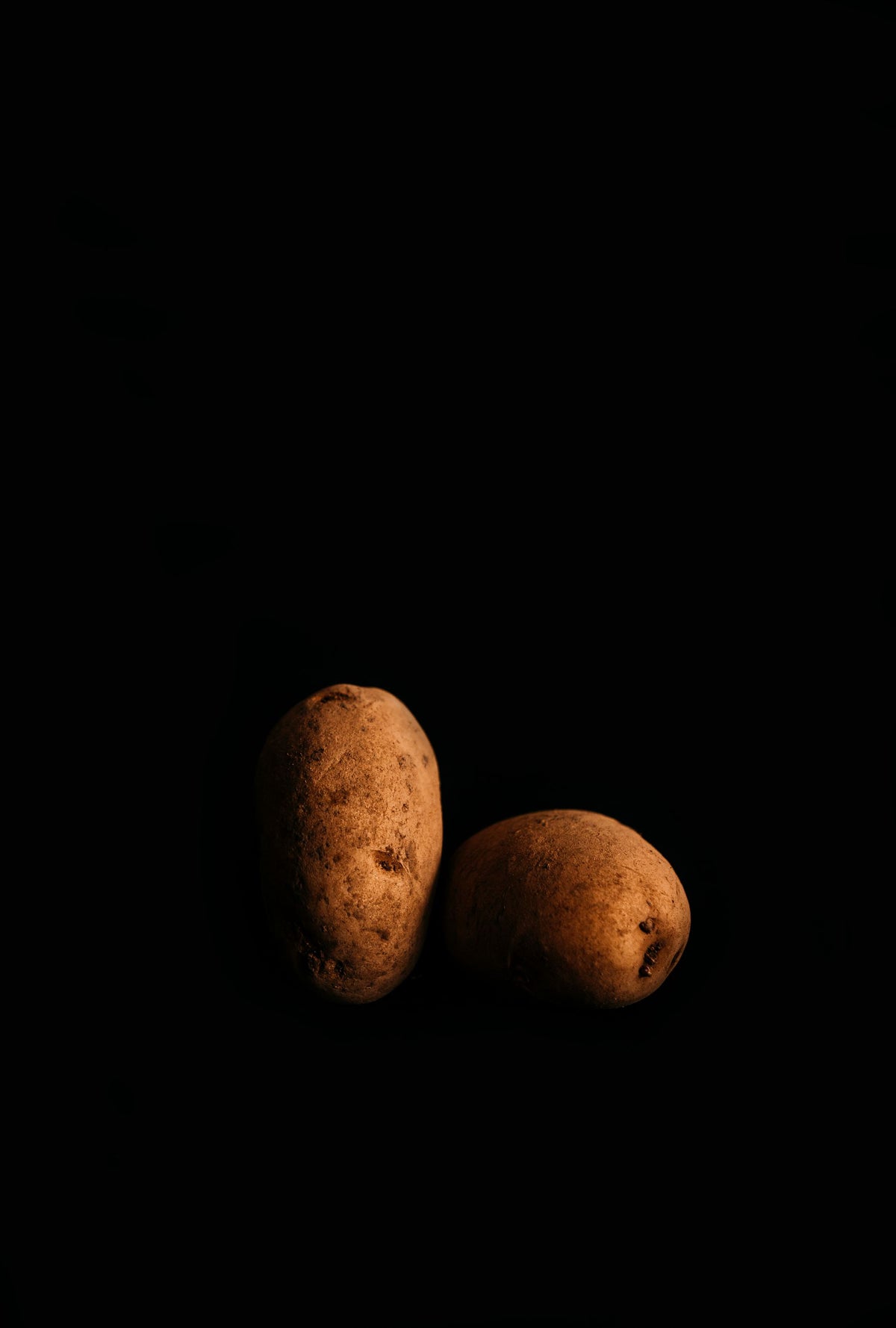
Most vodka on the shelf is made from grain - wheat, rye, corn. Potato vodka is made from potatoes instead, and that one swap changes how it tastes, what it costs, and whether it belongs on your table during Pesach. Here is the whole thing in plain terms.
The short answer
Potato vodka is vodka distilled from potatoes rather than grain. It is rounder and fuller in the mouth than grain vodka, it costs more to make, and because it contains no grain at all it is the traditional choice for Passover.
That is the whole difference. Same category, same strength, different raw material.
Why it tastes different
People will tell you all vodka tastes the same. Pour a potato vodka next to a wheat vodka, cold, in a small glass, and you will stop believing that.
Potatoes are mostly water and starch, with almost no oil or protein. What survives distillation is a texture rather than a flavour - a weight on the tongue that grain vodka does not have. Tasters call it creamy, velvety, or full-bodied. Grain vodka reads cleaner and crisper by comparison, more like cold water with an edge.
Neither is better. They are built for different jobs. Potato vodka rewards drinking it neat and cold. Grain vodka disappears politely into a mixer, which is exactly what you want in a Cosmopolitan. If you want the longer version of that story, we wrote what is vodka made from.
Why it costs more
Potatoes are heavy and mostly water, so it takes a lot of them to make a little alcohol. Chopin says it takes about seven pounds of young Polish potatoes to fill one bottle. Grain is dry, dense, cheap to ship and store, and yields far more spirit per pound.
That is the entire reason potato vodka sits higher on the shelf than a comparable grain vodka. You are paying for raw material, not marketing.
Potato vodka and Pesach
This is why the category matters to our customers more than to anyone else.
Wheat, rye, barley, oats and spelt are the five grains that become chametz. A vodka distilled from any of them is a Pesach problem, whatever the distillation process does to it. Potatoes are not grain and are not kitniyot, which is why potato vodka has been the Pesach bottle in Ashkenazi homes for generations.
One caution worth stating plainly: being made from potatoes does not by itself make a bottle Kosher for Passover. It still needs a hechsher for Pesach, because of what else may touch the production line. Look for the certification on the bottle. Our Kosher for Passover collection is where the certified bottles live.
The two potato vodkas on our shelf
Chopin Potato Vodka (1L) at $32.99 is the reference bottle for the category. Distilled four times at a family distillery in Podlasie, Poland, that has made nothing else since 1993. Green apple and cream on the nose with a faint earthiness under it. The palate is round and full-bodied - closer to velvet than to water - and the finish is long and gently peppery with no burn. 40%. Serve it freezer-cold and neat in a small glass beside herring, smoked salmon or good pastrami. It also makes the fullest-bodied martini on the shelf.
Lvov Potato Vodka (1L) at $17.99 is the value bottle, made from 100% Polish potatoes with no grain, and it carries Kosher for Passover certification. Fresh potato and faint cream on the nose, round and soft with a clean potato sweetness, easy clean finish. 40%. If you are buying for a table rather than for sipping, the 1.75L bottle at $29.99 is the obvious call - it is nearly twice the volume for twelve dollars more.
How it compares to the grain bottles
Useful context, because the price gap is the first thing people ask about:
- Tito's Handmade Vodka (750ml) - $24.99, distilled from corn.
- Grey Goose (750ml) - $34.99, French soft winter wheat.
- Ketel One (1L) - $39.99, Dutch wheat.
Chopin at $32.99 for a full litre is not the expensive option in that company. It is the one made from the most awkward ingredient.
What about gluten?
Different question, and it gets tangled with the Pesach one constantly.
Distillation leaves gluten protein behind, so grain vodka is generally treated as gluten-free by the people who set those rules. But if you are avoiding grain outright - for coeliac reasons, for Pesach, or because you simply prefer to - potato vodka takes the question off the table entirely. There is no grain in the bottle to argue about. We went through this in detail in is Tito's gluten free.
How to drink it
Cold. Colder than you think. Keep the bottle in the freezer - 40% alcohol will not freeze - and pour it neat into a small glass straight from there. The cold tightens the texture and the creaminess comes forward as the glass warms in your hand.
If you are mixing, potato vodka carries a martini better than anything else, because there is enough body in it to stand up to vermouth instead of vanishing. Do not waste it in anything with fruit juice; that is what the grain bottles are for.
Buying
Both bottles are on the shelf at our kosher vodka collection, and we ship anywhere in the country. If you are sizing a purchase for a crowd, how big a handle of vodka actually is and how much a bottle of vodka costs will both save you a phone call.