
Chivas Regal Explained: Extra 13, the 18, and the Kosher Question
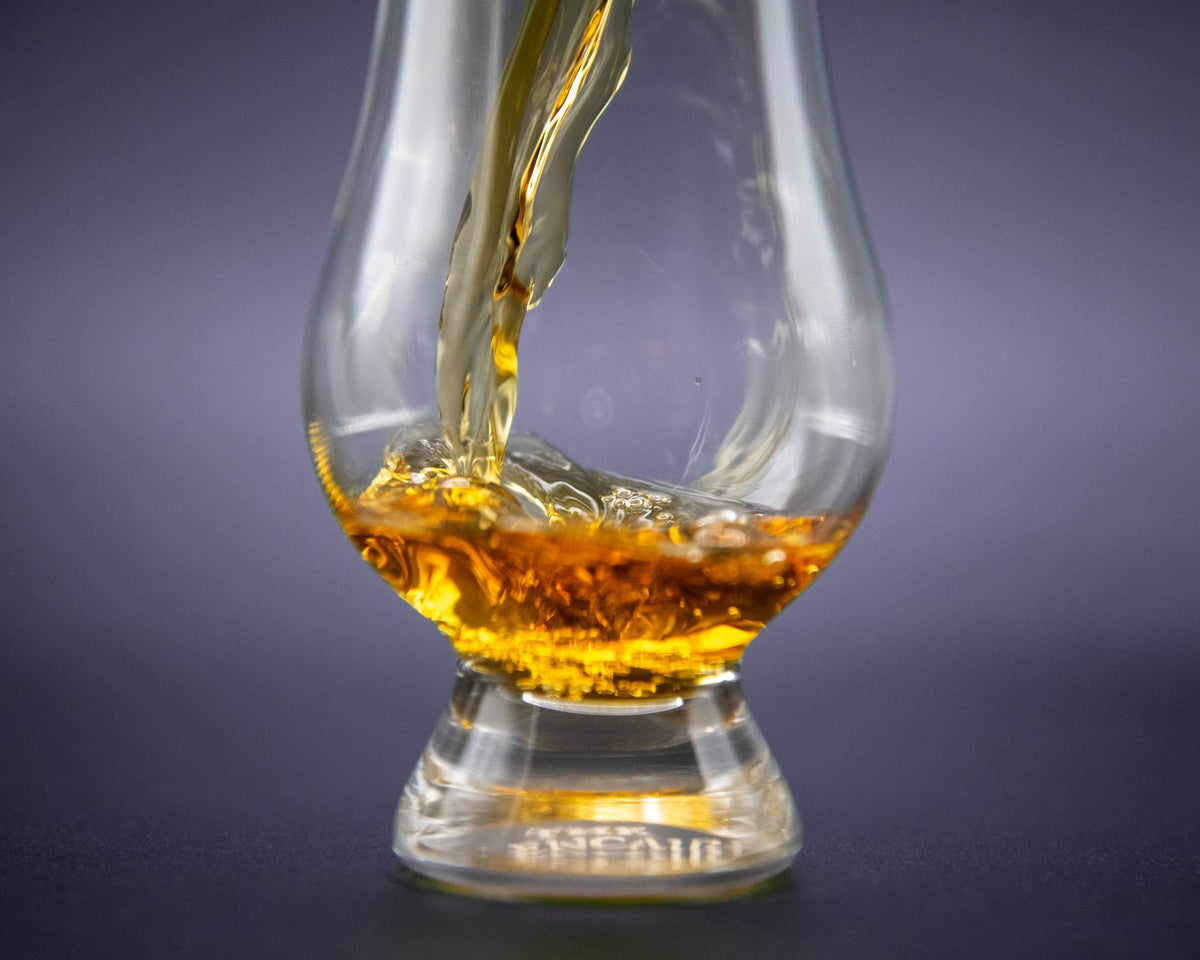
People type it three different ways. Chivas Regal is the spelling on the label, but plenty of shoppers search "shiva sigal" or "shiva segal" instead, because that is exactly how the name sounds out loud. All three land in the same place: a Speyside blending house that has been putting together blended Scotch since the 1800s, and two bottles on our shelf that are very different from each other.
What Chivas Regal actually is
Chivas is a blend, not a single malt. That means the whisky in the bottle comes from more than one distillery — malt whisky from several Speyside distilleries married with grain whisky, then aged together and bottled under one name. Single malt comes from one distillery only. Neither is automatically better; they are built for different things. Blends are smoother and rounder by design, because the blender's whole job is to make the edges disappear. We wrote the longer version of this in single malt vs blended Scotch.
The age statement on a blend works the same way it does on a malt: the number is the youngest whisky in the bottle, not the average. An 18 Year Chivas means nothing in that blend is younger than eighteen years.
Chivas Regal Extra 13
The Extra 13 is the everyday bottling and the cheaper of the two. Thirteen years minimum, 40 percent, and — this is the part that matters — selectively matured in Oloroso sherry casks. The carton says so outright. Sherry wood is what gives it dried fruit, honey and sweet spice instead of the drier cereal note you get from plain ex-bourbon oak. It is rich, malty, rounded, and it finishes warm and fruity.
- Chivas Regal Extra 13 Year, 750ml, $39.99 — our listing says Not Kosher. See the section below before you buy.
Chivas Regal 18
The 18 Year Gold Signature is the flagship. Eighteen years minimum, 40 percent, and the house line is that there are 85 separate flavour notes in a glass of it. What you actually get is dried fruit, dark chocolate, toffee, oak and warm baking spice on the nose, then a palate that is genuinely silky — rich without being sweet — and a long, slow, warming finish. It is a sipping whisky and a gift whisky. Neat, room temperature, no ice.
Is Chivas Regal kosher?
This is the question behind a good share of the searches, so here is the honest answer rather than a comfortable one.
Scotch kashrus turns almost entirely on cask history — what was in the barrel before the whisky went in. Whisky matured in plain ex-bourbon oak is treated one way; whisky finished or matured in wine casks, and sherry casks especially, is treated another, because sherry is wine and wine leaves residue in the wood. That is the whole argument in one sentence.
Which is why our two Chivas listings do not read the same:
- Extra 13 — listed Not Kosher, plainly, on the product page. Oloroso sherry-cask maturation is exactly the reason, and the box states the sherry casks itself.
- 18 Year — carries no Passover certification and we make no Passover claim for it. Our page lists Kosher for Passover: No.
If cask-finished Scotch is something you need a ruling on, ask your rav — this is a question with real machlokes behind it and a blog post is not a posek. Our background piece is is your whiskey kosher, and kosher for Passover spirits covers what changes in Nissan.
If you want a blend and want a certified bottle
If the sherry-cask question is the sticking point, the blended Scotch shelf has plenty of bottles that never see a wine cask. Johnnie Walker is the obvious comparison, and the colour ladder there works much the same way Chivas's numbers do — we broke it down in Johnnie Walker labels explained.
- Johnnie Walker Red Label, 750ml, $37.50 — the mixing bottle, roughly where the Extra 13 sits on price.
- Johnnie Walker Black Label 12 Year, 750ml, $44.99 — the smoky-edged standard.
- Dewar's 12 Year, 750ml, $49.99 — double-aged, honeyed, very easy.
- Johnnie Walker Gold Label Reserve, 750ml, $59.99 — the softer step up.
- Johnnie Walker Green Label 15 Year, 750ml, $89.99 — all malt, no grain, the closest thing to the 18 in feel.
Extra 13 or 18 — which one
Fifty dollars separates them, and the honest split is by occasion. The Extra 13 is a rich, sherried, after-dinner pour you can open on a Tuesday. The 18 is the bottle you hand somebody, or open once and make last — the texture is the thing you are paying for, and it is noticeably better.
Either way, drink it neat or with a single large cube. Chivas is built around softness, and a glass full of small ice cubes waters it to nothing in about four minutes.
The whole shelf is at kosher Scotch whisky, and if you are still deciding between a blend and a malt, Scotch vs whiskey and the Macallan range guide are the next two stops. We ship anywhere in the country.