
Should You Refrigerate Red Wine? Yes, Actually
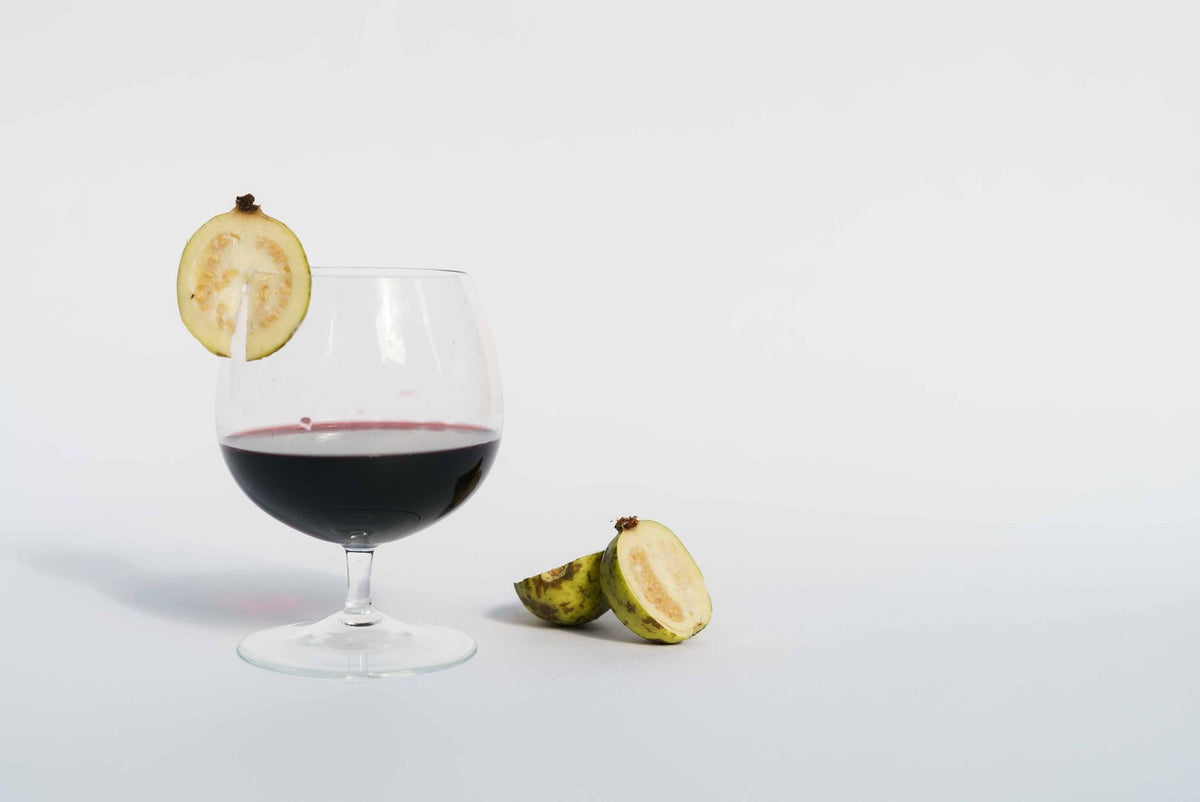
Yes. Almost every red wine tastes better slightly chilled, and about twenty minutes in the refrigerator before you pour will improve nearly any bottle in your house. The instruction to serve red "at room temperature" is real advice that got old and stopped being true.
It was written when a room meant a stone house in France in November, somewhere around 60 degrees. Your dining room in July is 74. Those are not the same wine.
What temperature should red wine actually be?
Between 55 and 65 degrees, depending on how big the wine is. Lighter reds go toward the bottom of that range and heavier ones toward the top.
| Style | Serve at | Time in the fridge from a 72 degree room |
|---|---|---|
| Light red (Pinot Noir, light blends) | 55 to 58 F | 35 to 45 minutes |
| Medium red (Merlot, Sangiovese) | 58 to 62 F | 25 to 35 minutes |
| Full red (Cabernet, Syrah, big blends) | 62 to 65 F | 15 to 25 minutes |
| Sweet red (Concord, Black Muscat) | 50 to 55 F | 45 to 60 minutes |
Your refrigerator runs around 38 to 40 degrees, which is far too cold to leave a red in for hours. It is a tool for lowering temperature quickly, not a place for the bottle to live.
Why does warm red wine taste bad?
Alcohol evaporates faster as it warms. Past about 70 degrees, that vapor is the first thing that reaches your nose, and it reads as sharp and hot. It buries the fruit underneath it.
Warmth also softens the acidity that gives a wine its shape. A red that felt bright and lifted at 62 degrees tastes flat and syrupy at 75. Nothing about the wine changed. Only the temperature did.
Go too far the other way and you get the opposite problem. A big tannic red at 45 degrees tastes tight and bitter, because cold sharpens tannin and shuts down aroma. That is the actual reason "do not refrigerate red wine" became conventional wisdom. Someone put a Cabernet in the fridge for three hours, drank something harsh, and passed the warning along.
Which red wines benefit most from a chill?
Light, low-tannin reds. Pinot Noir is the clearest case, and the difference is not subtle. Chilled to the high fifties, the Barkan Classic Pinot Noir goes from soft and vague to bright, with the cherry and the acidity both waking up. Same bottle, better wine.
The Herzog Lineage Pinot Noir handles the same treatment, and a properly chilled Pinot Noir is one of the few reds that works on a hot Shabbos afternoon without feeling heavy.
Sweet reds want to be colder still. Sweetness tastes cloying when it is warm and refreshing when it is cold, which is why Baron Herzog Jeunesse Black Muscat should come out of the fridge, not off the counter.
Which reds need only a short chill?
Full-bodied, tannic wines still want to be cool, just not cold. Fifteen or twenty minutes is enough. A Herzog Lineage Cabernet Sauvignon or the peppery Yarden Syrah shows more definition at 63 degrees than at 73, and the tannin stays smooth rather than turning grippy.
If you are unsure which category a bottle falls into, err short. A wine that is slightly too warm can be fixed in ten minutes. A wine that is too cold takes half an hour of sitting there while everyone waits.
How do you chill red wine fast?
An ice bath, and it is not close. Fill a bucket or a deep pot with half ice and half cold water, add a spoonful of salt if you have it, and submerge the bottle up to the shoulder. Water pulls heat out of glass far faster than air does, and a red goes from room temperature to serving temperature in about eight minutes.
The freezer works too, at ten to fifteen minutes, with one honest warning. Everyone who has ever ruined a bottle in the freezer did it by getting distracted. Set a timer.
What does not work is ice in the glass. It dilutes the wine as it melts, and it takes the wine past cold into numb.
Should you refrigerate red wine after opening it?
Yes, always, and this is separate from serving temperature. Cold slows oxidation, so a re-corked bottle in the fridge holds its character for three to five days instead of one or two. Take it out about thirty minutes before the next pour and it comes right back.
We went through the full timeline of what happens to an open bottle in how long open wine lasts, and if you want help telling the light reds from the heavy ones before you decide how long to chill, the differences are laid out in Cabernet vs Merlot vs Pinot Noir.
The two-minute version
Put the red in the fridge when you start setting the table. Take it out when you sit down. That single habit costs nothing and will do more for how your wine tastes than any decanter, aerator or glassware upgrade you could buy.
More reds worth trying this way are on the red wine collection, with the bigger bottles that want the shortest chill gathered under Cabernet Sauvignon.
Frequently asked questions
Will refrigerating red wine ruin it?
No. Short-term chilling does nothing permanent. A red that spent a few hours in the fridge is fine once it warms back up, and even a bottle left in overnight is only a temperature problem, not a damaged wine.
How long can red wine stay in the refrigerator?
An unopened bottle can sit for a few days without harm, though a fridge is a poor long-term home because it is dry, cold and vibrating. An opened bottle belongs there for its whole remaining life, which is usually three to five days.
What is the ideal red wine serving temperature in Fahrenheit?
Roughly 55 for light reds, 60 for medium, and 65 for full-bodied. If you want one number to remember, 60 degrees is wrong for almost nothing.
Can I put red wine in the freezer to chill it?
Yes, for ten to fifteen minutes with a timer set. Any longer and you risk frozen wine pushing the cork out. An ice water bath is faster and carries no risk at all.
Why do restaurants serve red wine warm?
Usually because the bottle was stored in the dining room rather than in a cellar or a cooler. If a red arrives noticeably warm, it is entirely reasonable to ask for a few minutes in an ice bucket, and a good server will not blink.
Twenty minutes. That is the whole trick, and it is free.