
How Long Does Wine Last After Opening?
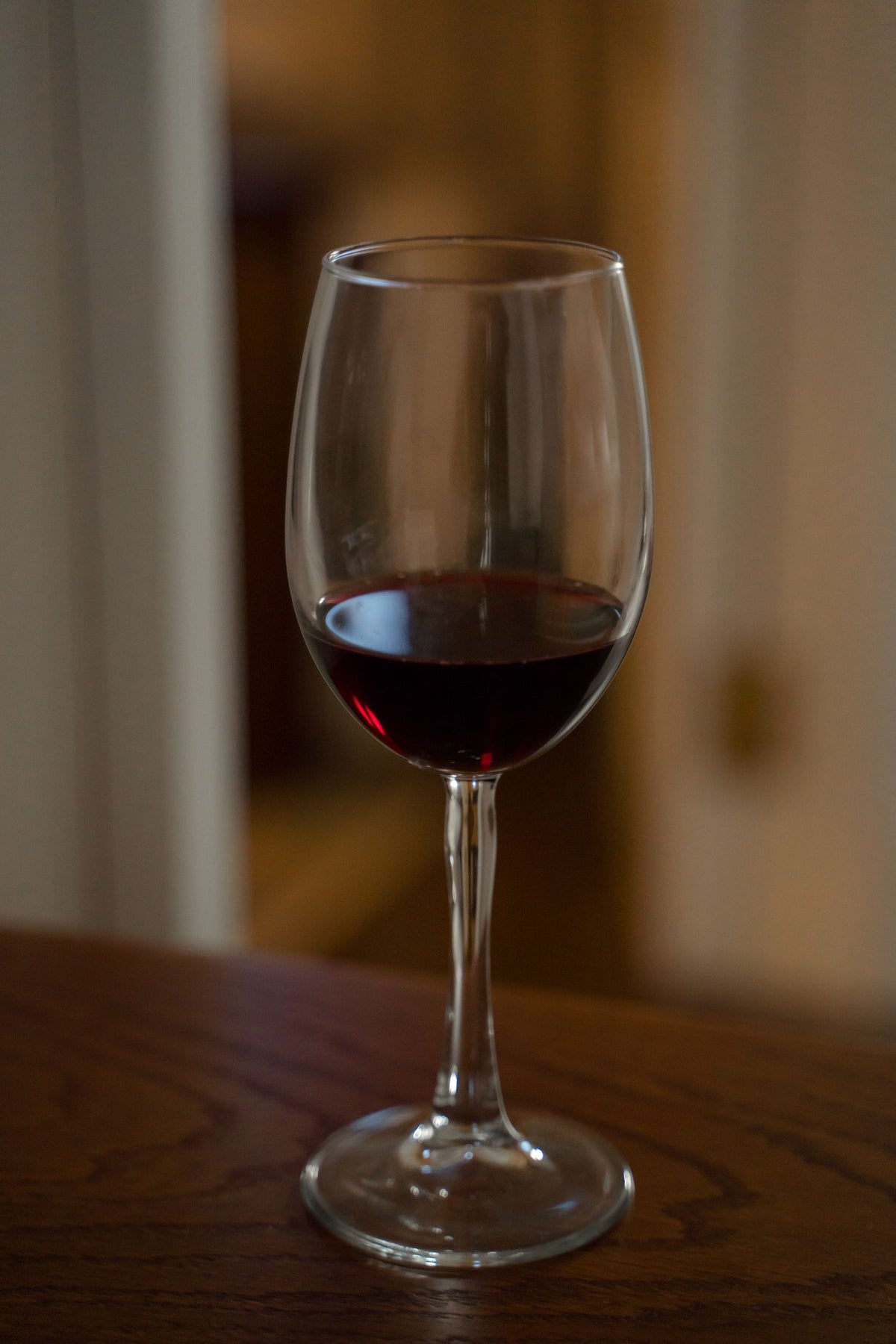
Most open wine is good for three to five days in the fridge with the cork back in. Sparkling gives you about a day or two, light whites and rosés stretch to a week, and a sweet dessert wine can sit for a month without complaining.
The bottle on your counter is not spoiling. It is oxidizing, which is a slower and much less dramatic process, and it is the same process that makes a cut apple go brown. Understanding that one fact tells you everything about how to keep a bottle alive.
How long does each kind of wine last after opening?
| Style | Keeps for | What kills it |
|---|---|---|
| Sparkling | 1 to 3 days | Lost bubbles, not oxidation |
| Light white and rosé | 5 to 7 days | Fruit fades first |
| Full bodied white | 3 to 5 days | Goes flat and nutty |
| Light red | 4 to 5 days | Turns thin |
| Full bodied red | 3 to 5 days | Fruit drops out, tannin stays |
| Sweet and late harvest | 2 to 4 weeks | Very little. Sugar protects it. |
Those are honest windows, not hard deadlines. A wine on day six is not dangerous, it is just quieter than it was. You lose the top notes first, the bright fruit and the floral lift, and what remains is the frame without the picture.
Why does open wine go bad?
Oxygen. The moment you pull the cork, air starts reacting with the wine, and two things happen at once.
The first is good, briefly. A little oxygen opens a tight red, softens it, lets it show more. That is the entire reason decanters exist. The second is not good and does not stop. Given enough hours, oxygen strips the fruit and turns the wine flat, and eventually acetic bacteria convert alcohol to acetic acid, which is the technical way of saying it is on its way to vinegar.
So the goal is never to eliminate air. It is to slow it down.
Does putting wine in the fridge really help?
Yes, and it is the single highest-return habit on the list. Refrigerate open red wine. Not just white.
Cold slows every chemical reaction in the bottle, including the ones ruining your wine. A red kept in the fridge and pulled out twenty minutes before the next glass will outlast the same red left on the counter by days. The twenty minutes on the counter brings it back to temperature, and you lose nothing.
People resist this because it feels wrong to chill a red. It is not wrong. Serving a red cold is a mistake. Storing it cold is not.
What actually works, ranked
- The fridge, cork in. Free, and it does most of the work.
- Pour the leftovers into a smaller bottle. Less air in contact with the wine means less oxidation. A half-empty 750ml bottle has a lot of air in it.
- Stand it upright. Less wine surface exposed than lying down.
- A sparkling wine stopper for anything with bubbles. A regular cork will not hold pressure.
- Inert gas spray. The one method that genuinely works well, if you open bottles often enough to justify it.
Vacuum pumps are the popular answer and the weakest one on this list. They pull out some air, but they also pull out aroma, and they never reach a real vacuum. Not useless. Just oversold.
Which wines forgive you the most?
Sweet ones. Sugar and higher acidity both act as preservatives, which is why a late harvest wine keeps for weeks while a delicate dry white fades in days. Herzog Late Harvest Chenin Blanc is the kind of bottle you can open on a Friday night, pour two glasses, and return to a week and a half later with no loss worth mentioning.
The same logic makes sweet wine the smart choice for a table where nobody is sure how much will get finished. Bartenura Moscato holds up well in the fridge for the better part of a week, still cold peaches, still bright, and it does not punish you for opening a second bottle you did not strictly need. If that is the category you keep reaching for, our roundup of the best sweet white wines covers the ones worth keeping in the door of the fridge.
At the other end, sparkling is the one to plan around. Bartenura Prosecco Brut is at its best in the first hours. A proper sparkling stopper buys you a second day of real bubbles, and after that you have a pleasant still white.
What about a big dry red?
A structured red is a strange case. On day two it is often better than on day one, because the air has done its useful work and the tannin has relaxed. Day three is usually still good. Day four is where it starts giving up the fruit.
Herzog Lineage Cabernet Sauvignon follows that curve neatly, and it is worth tasting the same bottle across three nights just to watch it happen. It is the cheapest wine education available. One bottle, three glasses, three days.
Lighter reds and rosés do not get that second-day bonus. Baron Herzog Rosé is best in the first few days, when the fruit is still forward, which is the whole reason you bought a rosé.
How do you know when wine has actually gone bad?
Smell it. Wine that has turned smells sharply of vinegar or of nail polish remover, and once you notice it you cannot un-notice it. A wine that smells like sherry or bruised apple when it should not is oxidized, past its best but not harmful.
Wine that has simply faded still smells like wine. It is just smaller. Cook with it and lose nothing.
The best defense against any of this is buying the right amount in the first place, and for a full table our guide to how much wine a simcha needs does that arithmetic for you.
Frequently asked questions
Can you drink wine that has been open for a week?
Usually yes, safely. Whether you want to is a different question. A dry white or red at a week will taste flat and tired. A sweet or fortified wine at a week is often perfectly fine.
Is old open wine dangerous?
No. Wine does not grow the organisms that make food unsafe. The alcohol and acidity see to that. It turns unpleasant long before it turns harmful, which means your own nose is a reliable guide.
Does recorking with the original cork work?
It works well enough, and it is better than nothing. Put the clean end back in. If the cork has swollen and will not go, a small piece of plastic wrap under it solves the problem.
How long does an unopened bottle last?
Years for most wines, decades for a few. Stored cool, dark and away from vibration, an unopened bottle is stable. Most wine sold today is made to be enjoyed within a few years and does not need cellaring.
Can I freeze leftover wine?
You can, for cooking. Freeze it in an ice cube tray and drop a cube into a sauce later. Do not freeze wine you plan to drink, since the texture does not survive it.
Cork it, chill it, and stop treating an open bottle like a deadline.