
The Feudi di San Gregorio Range Explained: Falanghina, Greco and Aglianico
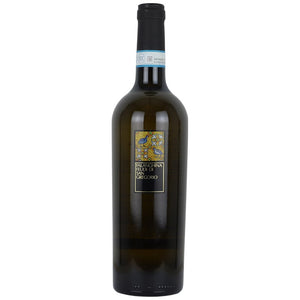
Most of the searching people do for this producer is one word long: falanghina. It is worth knowing how to say it before you order it out loud. Fa-lan-GHEE-na, hard g, stress on the third syllable.
Falanghina is a white grape native to Campania, the region around Naples, and it has been grown there for a very long time. The name is usually traced to falanga, the wooden stake the vines were trained up. It is the grape that made southern Italian white wine worth taking seriously again, and Feudi di San Gregorio is the estate most responsible for that.
Feudi has been working in Irpinia, the hilly inland part of Campania, since 1986, reviving the local grapes instead of planting Chardonnay like everyone else. Five of their bottles come in kosher under the OU. Here is the whole range and what separates them.
The range at a glance
| Bottle | Grape | Style | Alcohol |
|---|---|---|---|
| Falanghina del Sannio DOC | Falanghina | Dry white | 12.5% |
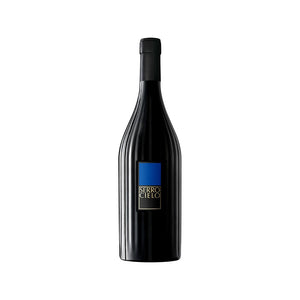
| Serrocielo Falanghina | Falanghina | Dry white, mineral | 13% |
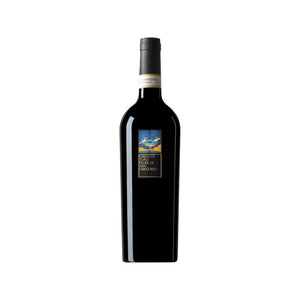
| Greco di Tufo DOCG | Greco | Dry white | 13% |
| Rubrato Irpinia | Aglianico | Dry red | 13.5% |
| San Greg Rosato | Aglianico, Piedirosso | Dry rosé | 13% |
All five carry the OU and all five are Kosher for Passover. None of them is mevushal, which matters if a waiter is doing the pouring: see mevushal vs non-mevushal kosher wine.
The two Falanghinas, and how they differ
Both are 100% Falanghina from the Sannio DOC, both sell at the same price, and the difference is not obvious from the shelf.
Falanghina del Sannio DOC is the benchmark bottle, the one wine lists mean when they write Falanghina. It is vinified entirely in stainless steel, so nothing stands between you and the fruit: lemon zest, green apple and honeysuckle with a light almond note, dry and fresh through the middle with orchard fruit, a saline edge and a touch of tropical peach, finishing clean and faintly bitter in the way good Italian whites do. At 12.5% it is the lightest bottle in the range.
Serrocielo is the single-vineyard version, and it is the more mineral, more tightly wound of the two. Delicate florals and exotic citrus over a soft stony note, dry and vibrant with tart apple and a lively citrus lift, then a long saline finish that keeps going after you have put the glass down.
Buy the Sannio DOC for a Shabbos afternoon, a tuna salad, grilled fish, a plate of olives. Buy Serrocielo if you drink white wine attentively, or if the meal is sushi or a dairy lunch with something lemony in it.
Greco di Tufo: the other great Campanian white
Greco di Tufo DOCG is the cheapest bottle in the range, which is slightly absurd, because it is the one with the highest classification. DOCG is Italy's top tier and Greco di Tufo is one of only a handful of southern Italian wines to hold it.
The village of Tufo gives the wine its name and its soil: volcanic tuff, and you can taste it. Yellow peach, ripe pear and a whisper of chamomile with a clear saline pull, then dry and taut on the palate, citrus zest and green apple and stone riding high acidity, finishing long and almond-bitter.
If Falanghina is the friendly one, Greco is the serious one. Pour it with roasted branzino, poached salmon, a herbed schnitzel on Friday night, or a mushroom risotto at a dairy meal.
Rubrato: Aglianico without the wait
Aglianico is Campania's great red grape, the one behind Taurasi, a wine that needs years. Rubrato Irpinia Aglianico is Feudi's everyday version of it: younger, friendlier, and priced to open on a Tuesday.
Ripe black cherry and plum with dried herbs and a light spice edge, medium to full-bodied, dark fruited, with a whisper of leather and Aglianico's firm tannin still intact. It finishes long and a little earthy. Slow-braised lamb, brisket, roast duck. If you only know Italian red through Chianti or Montepulciano, this is a different thing entirely, more savory and more structured.
San Greg Rosato
San Greg Rosato is a dry Campanian pink from Aglianico and Piedirosso that was sold as Visione until the recent relabel. Wild strawberry and watermelon with a soft floral edge, dry and lively, a whisper of white pepper, and a clean saline close. It drinks much closer to Provence than to the sweet Italian pink wine people expect. Compare it against the field in our guide to the best kosher rosé wine.
Where to start
One bottle: the Falanghina del Sannio. It is the wine the producer is known for and the easiest to place on a table.
Two bottles, and you want to learn something: Falanghina and Greco di Tufo side by side at the same meal. Same region, same cellar, two indigenous grapes, and the difference between them is the clearest lesson in southern Italian white wine you can buy for sixty-six dollars.
More in the same aisle: Kosher Italian White Wine and Kosher White Wine. For the wider picture, read the Italian kosher wine guide, and if you want to know how Falanghina compares to the whites you already drink, see what is Pinot Grigio and what is Sauvignon Blanc.
Free shipping on orders $150+ in the lower 48.