
What Is Sauvignon Blanc? Grassy, Sharp, Refreshing
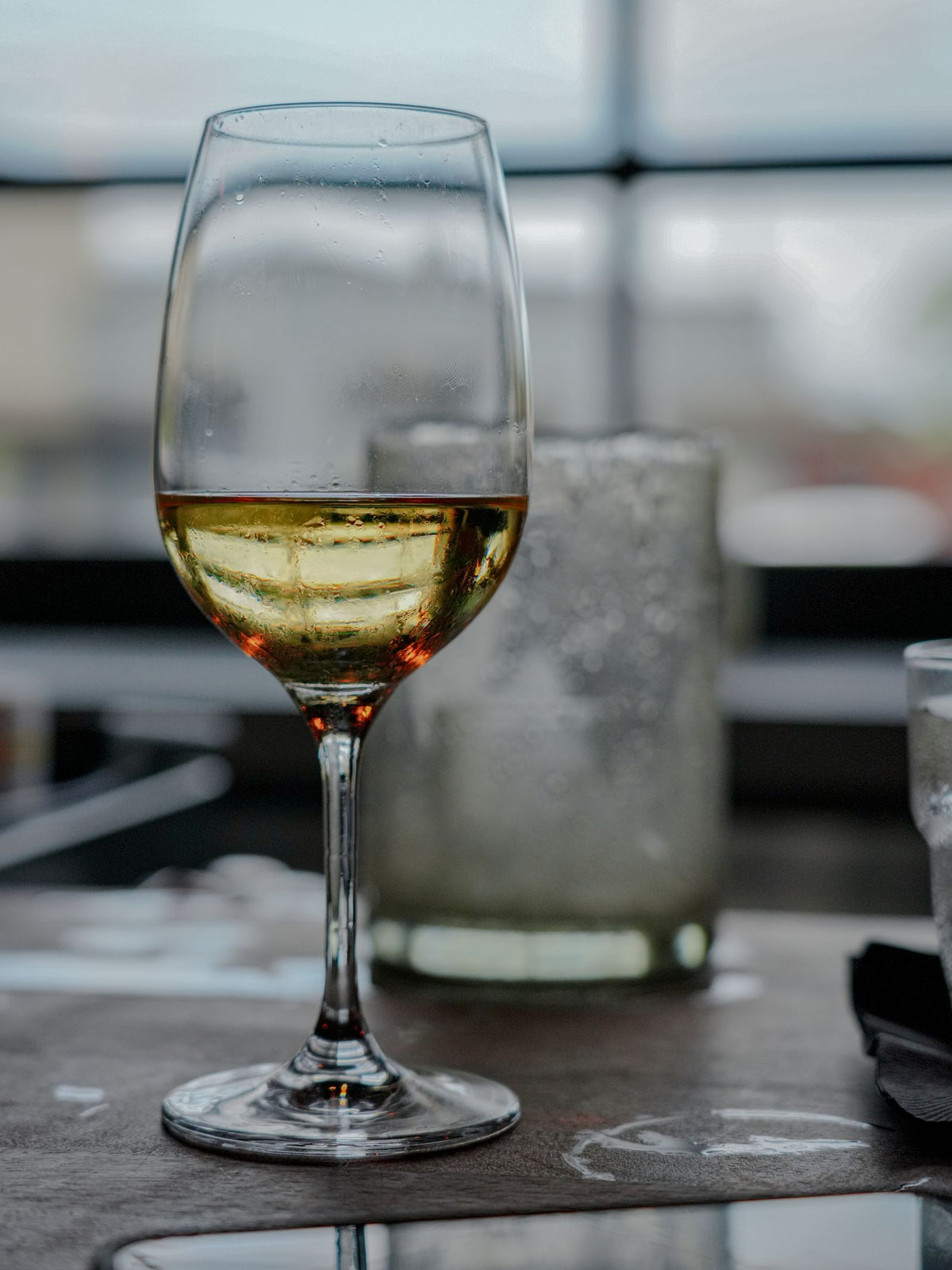
Sauvignon Blanc is a green-skinned white grape that makes dry, high-acid wine tasting of citrus, cut grass and green herbs. It is the sharpest, most refreshing white on most kosher shelves, and it is almost never oaked, which is exactly why people who dislike Chardonnay tend to love it.
Pour a cold glass on a hot Friday afternoon and it does something a rich white cannot. It cuts. Grapefruit and something faintly green, like the smell of a lawn just after it is mowed, and then a clean finish that leaves your mouth ready for the next bite of food.
What does Sauvignon Blanc taste like?
The signature is a combination of sharp citrus and green herbs, held together by acidity high enough that you notice it.
- Citrus: grapefruit, lime, sometimes lemon zest
- Green notes: cut grass, bell pepper, gooseberry, fresh herbs
- Stone fruit: white peach and passionfruit in warmer regions
- Mineral edge: a chalky, flinty quality in cooler, stonier vineyards
That green character is not a fault or a marketing invention. It comes from a family of aroma compounds called pyrazines that the grape produces naturally and that survive fermentation. The cooler the vineyard, the more of them you get.
Where does Sauvignon Blanc come from, and does the region matter?
Enormously. The same grape produces recognizably different wine depending on where it grew, more so than most varieties.
| Region | Style | What stands out |
|---|---|---|
| Loire Valley, France | Restrained, mineral | Flint, lemon, chalky texture |
| New Zealand | Loud and aromatic | Passionfruit, grapefruit, unmistakable green |
| Israel | Ripe but fresh | Citrus and stone fruit, softer green edge |
| California | Rounder, sometimes oaked | Melon, less grass, fuller body |
Israel has turned out to be a genuinely good home for this grape, particularly in higher-elevation vineyards where cool nights preserve the acidity that hot days would otherwise burn off. It is one of the quieter success stories in Israeli wine over the last fifteen years.
The kosher Sauvignon Blancs worth knowing
Under $25
Baron Herzog Sauvignon Blanc at $13.99 and Carmel Selected Sauvignon Blanc at $13.99 are the everyday bottles, the ones to keep cold in the door of the fridge through the summer. Tabor Adama Sauvignon Blanc at $21.99 and Herzog Lineage Sauvignon Blanc at $21.99 step up without stepping far.
$25 to $35, where the grape gets interesting
Goose Bay Sauvignon Blanc at $24.99 is from New Zealand, which is the loud, tropical end of the spectrum and the version most people picture when they hear the name. Covenant Red C Sauvignon Blanc at $24.99 comes from California. Bat Shlomo Sauvignon Blanc at $32.99 is the Israeli benchmark, from a small estate that has built its reputation largely on this one grape.
Above that
Tzora Vineyards Judean Hills Blanc at $59.99 is the serious end, a white made with the same care most wineries reserve for their reds.
The whole range is in our Sauvignon Blanc collection. If you want to compare it against the other major whites, our Chardonnay selection is the natural counterweight, and we broke the differences down in Sauvignon Blanc versus Chardonnay versus Pinot Grigio.
What food goes with Sauvignon Blanc?
High acidity is a tool, and it works best against three things: fat, salt and green vegetables.
- Fish. Salmon, sea bass, gefilte fish, anything from the first course.
- Salads and herbs. The one white that does not get flattened by a vinaigrette, because it brings as much acid as the dressing does.
- Green vegetables. Asparagus, artichoke and pea are notoriously difficult with wine. Sauvignon Blanc is the standard answer because its own green notes meet them rather than fight them.
- Roast chicken with lemon and herbs. Better than most reds.
- Anything fried. Acid cuts oil. It is the same reason lemon comes with schnitzel.
How cold should you serve it?
Cold, around 45 to 50 degrees, which means about two hours in the refrigerator or twenty minutes in an ice bucket. This is one white where being slightly too cold is better than being slightly too warm. Warm Sauvignon Blanc loses its edge and the green notes turn vegetal rather than fresh.
Drink it young. Almost all of it is made to be enjoyed within two or three years of the vintage, and unlike Chardonnay it rarely rewards cellaring. The freshness is the product.
For a table where the bottle passes through several hands, our mevushal collection includes plenty of crisp whites in the same style.
Frequently asked questions
Is Sauvignon Blanc sweet or dry?
Dry, in almost every case. Its high acidity makes it taste even drier than it measures. The exceptions are dessert wines from Sauternes, where the grape is blended with Semillon and made deliberately sweet, and those are labeled and priced very differently.
Is Sauvignon Blanc the same as Pinot Grigio?
No. Both are dry, unoaked whites, but Pinot Grigio is milder and more neutral, leaning toward pear and almond. Sauvignon Blanc is louder, greener and more citrus-driven. If Pinot Grigio feels too plain, this is the grape to move to.
Why does Sauvignon Blanc smell like grass?
Because of pyrazines, natural aroma compounds in the grape that read as cut grass, bell pepper and herb. Cooler growing conditions and earlier picking produce more of them. It is a defining feature of the variety, not a defect.
Is Sauvignon Blanc a good beginner white?
It depends on the beginner. Its sharpness is a real personality, and some people want something gentler to start. If crisp and refreshing sounds appealing, start here. If you want soft and rounded, start with a Chardonnay or a Moscato.
How long does an open bottle last?
Three to four days recorked in the refrigerator, though the aromatics fade first and fastest. Our guide on how long open wine lasts covers storage properly.
What is a good Sauvignon Blanc for Shabbos lunch in the summer?
Anything in the $14 to $25 range, served genuinely cold. This is a wine that belongs to warm afternoons and fish courses, and it does not need to be expensive to do that job well.
Buy one bottle, chill it properly, and open it alongside a fish course on a hot day. If it clicks, you will have found the white you keep in the fridge from Pesach to Sukkos.