
What's Actually in Gin? A Guide to the Botanicals
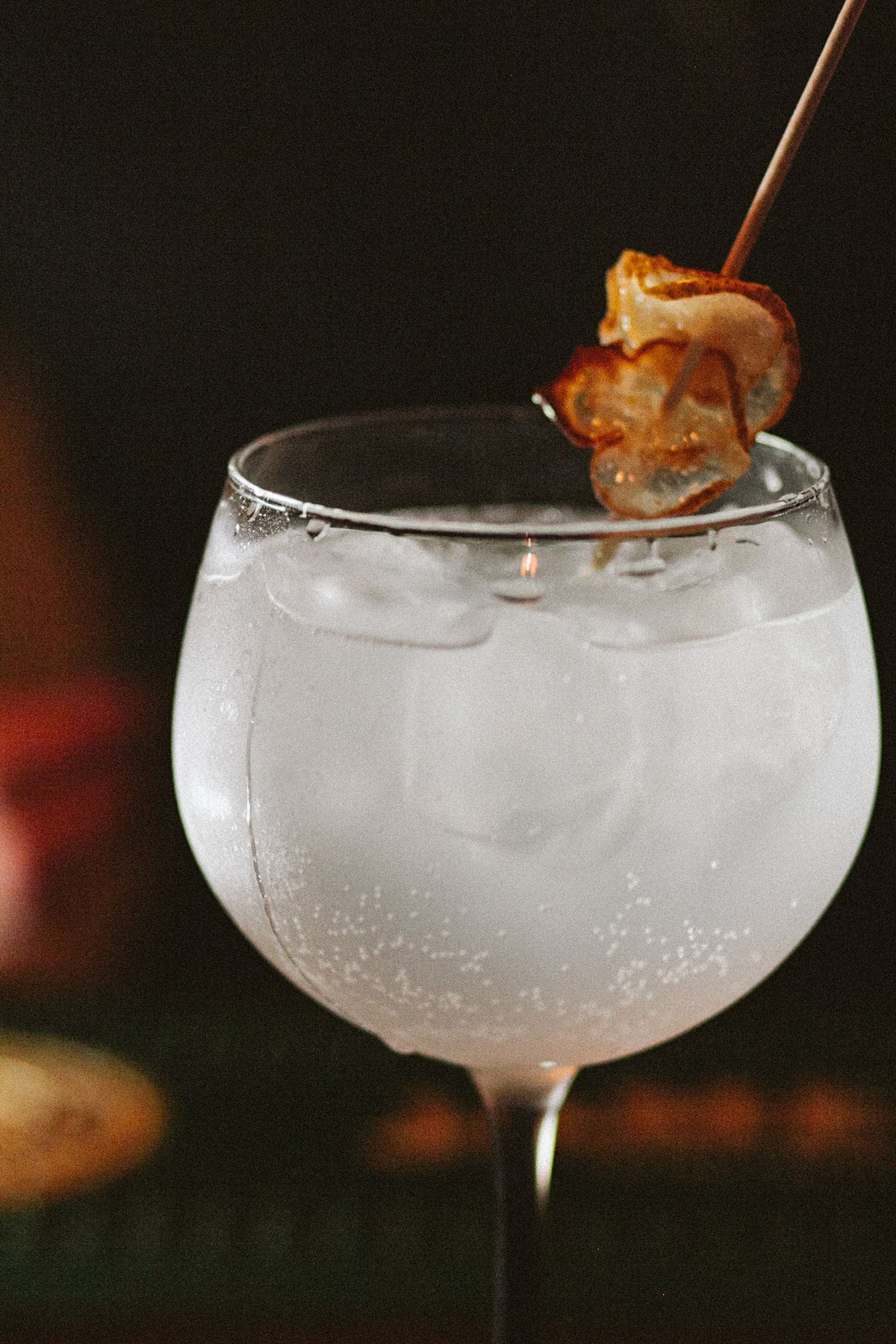
Gin is a neutral spirit flavored with botanicals, and by law juniper has to be the dominant one. Everything else, the coriander, the citrus peel, the angelica root, is the distiller's signature. That is the entire category in two sentences, and it explains why two bottles at the same price can taste nothing alike.
Pour a good gin neat, just a splash, and smell it before you taste. Pine first. Then citrus oil, then something rooty and dry underneath, like a spice drawer. Vodka is made to disappear. Gin is made to announce itself.
What is juniper and why is it required?
Juniper berries are not really berries. They are the seed cones of an evergreen shrub, and they carry the resinous, faintly piney note that every gin drinker recognizes instantly. The rule is simple: if juniper is not the predominant flavor, the spirit cannot legally be called gin. It can be flavored vodka, it can be an aquavit, it can be a botanical spirit. Not gin.
How much juniper you notice varies enormously. A classic London Dry leads with it. A modern gin might tuck it behind cucumber or citrus and let it hold the floor rather than take it.
What are the classic supporting botanicals?
Most gins build on a familiar core, then add two or three ideas of their own.
| Botanical | What it does |
|---|---|
| Juniper | Pine, resin, the backbone. Non-negotiable. |
| Coriander seed | Citrus and warm spice. Almost always the second ingredient. |
| Angelica root | Dry, earthy, musky. Binds the other flavors together. |
| Orris root | Floral and powdery. A fixative that makes the aroma last. |
| Citrus peel | Lemon and bitter orange. Brightness and lift. |
| Cassia and licorice | Sweet spice and a rounded, slightly syrupy finish. |
Angelica and orris are the two nobody talks about and every distiller relies on. Neither tastes like much alone. Together they stop a gin from being a bright top note with nothing beneath it.
What does London Dry actually mean?
It is a production method, not a place. A London Dry can be made anywhere. The rules require that all the flavor come from botanicals introduced during distillation, with nothing added afterward except water and a tiny allowance of sweetening. No flavoring dropped in at the end, no coloring.
The result is a gin with nowhere to hide. Tanqueray London Dry Gin is the reference point, built on a famously short botanical list and all the sharper for it. Beefeater London Dry Gin is the workhorse, and Bombay Sapphire London Dry Gin goes the other way with a wider botanical roster and a softer, more perfumed profile. Our longer explainer on what London Dry gin means covers the legal fine print.
How do modern gins change the recipe?
The last twenty years handed distillers permission to reach past the classic list. The good ones still respect juniper. They just give it company.
- Cucumber and rose. Hendrick's Gin made this its whole identity, and it is the reason so many people who swore off gin came back to it. Softer, cooler, less pine on the nose.
- Mediterranean herbs. Gin Mare Mediterranean Gin leans on olive, rosemary, thyme and basil. It is savory in a way most gin is not, and it turns a martini into something closer to a first course.
- Honey. Barr Hill Gin uses raw honey, which lands as a round, floral weight on the finish rather than sweetness.
- Orchard fruit. Whitley Neill Quince Gin puts a tart, perfumed fruit note over the juniper.
The full range sits in our gin collection, and the wider spirits shelf if you are building a bar rather than buying one bottle.
Which botanicals should you look for in your gin and tonic?
Match the garnish to the botanical the distiller already put in, and the drink locks into focus.
- Citrus-forward gin: a wide lemon peel, expressed over the glass.
- Juniper-forward London Dry: lime, or a sprig of rosemary if you want the pine echoed.
- Cucumber and rose: a cucumber ribbon. Skip the lime, it fights.
- Savory Mediterranean: an olive, or a strip of orange peel and a basil leaf.
- Honeyed or floral: grapefruit peel, which keeps the sweetness in check.
Frequently asked questions
How many botanicals are in a typical gin?
Anywhere from four to more than a dozen. A short list is not a shortcut. Some of the most respected gins in the world use fewer than six botanicals, because every one has to earn its place. Long lists can be gorgeous or muddled, depending on the hand behind them.
Does gin taste like pine trees?
A little, and that is the point. Juniper is genuinely resinous. If pine is all you taste, try a contemporary style with cucumber, citrus or floral botanicals leading. It is the same category with the volume set differently.
What is the difference between gin and vodka?
Both start as a neutral spirit. Vodka is filtered toward neutrality, and gin is redistilled with botanicals to add flavor back. That is the whole distinction. Our gin versus vodka comparison goes further.
Do botanicals fade after the bottle is opened?
Slowly. Gin does not spoil, but the brightest citrus and floral notes flatten over six months to a year once air gets in, especially in a half-empty bottle. Keep it upright, out of sunlight, at room temperature. Refrigerating an open bottle helps if you drink it slowly.
Which gin should a beginner buy first?
Buy one classic London Dry and one contemporary gin, and taste them side by side in the same tonic. You will learn more in ten minutes than in a month of reading, and you will know which direction is yours.
Start with the juniper. Everything else is the distiller telling you something about themselves.