
How Many Ounces Are in a Bottle of Wine?
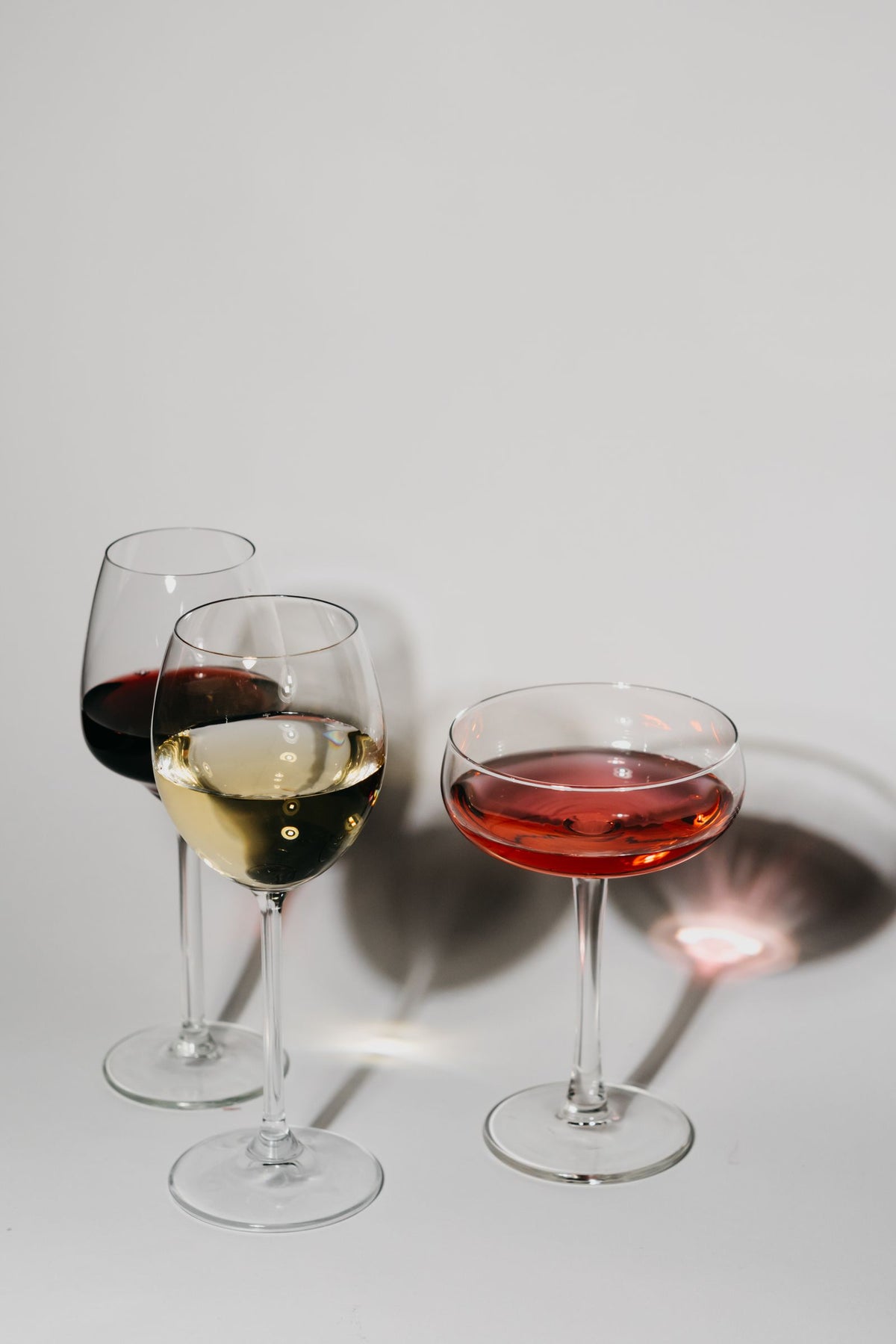
A standard bottle of wine holds 750 milliliters, which is 25.4 fluid ounces. At a normal five-ounce pour that works out to five glasses per bottle, with a little left in the bottle for the person who poured.
Those two numbers, 25.4 and five, are the entire foundation of every wine-buying decision you will ever make. How much to order for a kiddush. Whether one bottle covers dinner for two. Why the magnum on the shelf costs what it costs. Get comfortable with them and the rest is arithmetic.
Why is a wine bottle 750ml?
The honest answer is that it is a historical accident that stuck. Glass bottles were once blown by lungpower, and roughly 700 to 800ml was what a glassblower could produce in one steady breath. The English wine trade later standardized around a size that divided neatly into their barrels, and when Europe converted to metric in the 1970s the United States followed with 750ml as the legal standard bottle.
So the size is not scientific. It is a compromise between human lungs and old imperial math that the entire world happens to agree on.
Every wine bottle size, in ounces and glasses
Once you leave the standard bottle, the naming gets biblical and the math gets easier, because almost every size is a multiple of 750ml.
| Bottle | Volume | Fluid ounces | 5 oz glasses |
|---|---|---|---|
| Split / piccolo | 187ml | 6.3 oz | 1 |
| Half bottle / demi | 375ml | 12.7 oz | 2 to 3 |
| Standard | 750ml | 25.4 oz | 5 |
| Liter | 1L | 33.8 oz | 6 to 7 |
| Magnum | 1.5L | 50.7 oz | 10 |
| Double magnum / Jeroboam | 3L | 101.4 oz | 20 |
| Methuselah | 6L | 202.9 oz | 40 |
Every one of those is a real format you can buy. Barkan Classic Cabernet Sauvignon in 187ml at $5.99 is a single glass in a sealed bottle, which is exactly what you want for a hotel room or a bracha at a table where nobody else is drinking red. Bartenura Moscato in 375ml at $9.99 is two glasses. And Chateau Les Riganes Bordeaux in 1.5L magnum at $59.99 is ten.
How many ounces is a glass of wine?
Five ounces is the standard American pour, and it is the number every serving guideline and calorie count is based on. It is also, to most people's surprise, less than half of what looks natural in a modern wine glass.
Glassware inflated over the last thirty years. A five-ounce pour in a large Bordeaux glass barely reaches the bottom third of the bowl, which feels stingy until you remember that is the whole point. The wide bowl is there to give the wine air, not to be filled.
- Red wine: 5 oz, poured to the widest part of the bowl
- White wine: 5 oz, in a smaller glass so it stays cold
- Sparkling: 4 oz, because the bubbles need headroom
- Dessert wine: 2 to 3 oz, because it is rich and sweet
If you want the fuller breakdown, our guide on how many glasses are in a bottle of wine covers pour sizes glass by glass.
The pour math that actually matters
Here is where the number becomes useful. A few rules of thumb that hold up in real rooms:
- Dinner for two: one bottle. Two and a half glasses each, which is a comfortable evening.
- Shabbos table of eight: two to three bottles across the meal, more if the meal runs long.
- A kiddush or a party: one bottle per three adults for the first hour, then half a bottle per adult per hour after that.
- A case of twelve: 304 fluid ounces, or roughly 60 glasses. That is the real reason case buying makes sense for a simcha.
For anything at scale, our guide to how much wine to buy for a simcha does the counting for you, and how many bottles are in a case covers the buying unit.
Is a magnum better value than two standard bottles?
Sometimes on price, usually on presentation, and occasionally on the wine itself.
A 1.5L magnum holds exactly two standard bottles of wine. It is rarely cheaper per ounce, because large-format glass and lower production volumes cost more. What you are buying is the moment a magnum lands on a Yom Tov table, which is real and worth something.
There is also a genuine technical argument for larger bottles. The amount of air trapped under the cork is roughly the same regardless of bottle size, so a magnum has half as much oxygen per ounce of wine. Wine in large format ages more slowly and more evenly. That matters for a bottle you intend to keep for years and matters not at all for one you will open on Friday.
At the practical end, sizes like Kedem Burgundy Royale Dry in 1.5L at $17.99 exist for a simpler reason: a long table with a lot of people and only so many hands to pass bottles.
What about ounces per serving on a nutrition label?
American labels count a serving of wine as five ounces at roughly twelve percent alcohol. That is the same five ounces above, which means a standard bottle contains five servings and calorie math is straightforward from there. Our wine calories guide runs the numbers by style.
Frequently asked questions
How many ounces in a 750ml bottle of wine?
25.4 fluid ounces. The conversion is 1 fluid ounce equals 29.57ml, so 750 divided by 29.57 gives 25.36, which rounds to 25.4.
How many glasses of wine in a 750ml bottle?
Five, at the standard five-ounce pour. If your glasses run generous at six ounces, you get four. At a restaurant tasting pour of two ounces, you get twelve.
Is a bottle of wine two glasses or five?
Five by the standard measure. The "two glasses" idea comes from very large restaurant pours and from the fact that a big bowl makes five ounces look small. The bottle has not changed size. The glassware has.
How many ounces in a magnum of wine?
50.7 fluid ounces, exactly double a standard bottle, which is ten five-ounce glasses.
How much wine is in a 1 liter bottle?
33.8 fluid ounces, or about six and a half standard glasses. Liter bottles are common in spirits and less common in wine, though you will see them in some everyday table wines.
Does a half bottle hold enough for two people?
Just about. 375ml is 12.7 ounces, which is two comfortable glasses plus a splash. It is the right size for a small table or for opening something special without committing to a full bottle.
Twenty-five and a half ounces. Five glasses. Everything else in wine buying is that one number multiplied by the number of people who are coming. Start there, and browse the full kosher wine collection when you know how many bottles you actually need.