
How Much Is a Bottle of Whiskey? A Price Guide
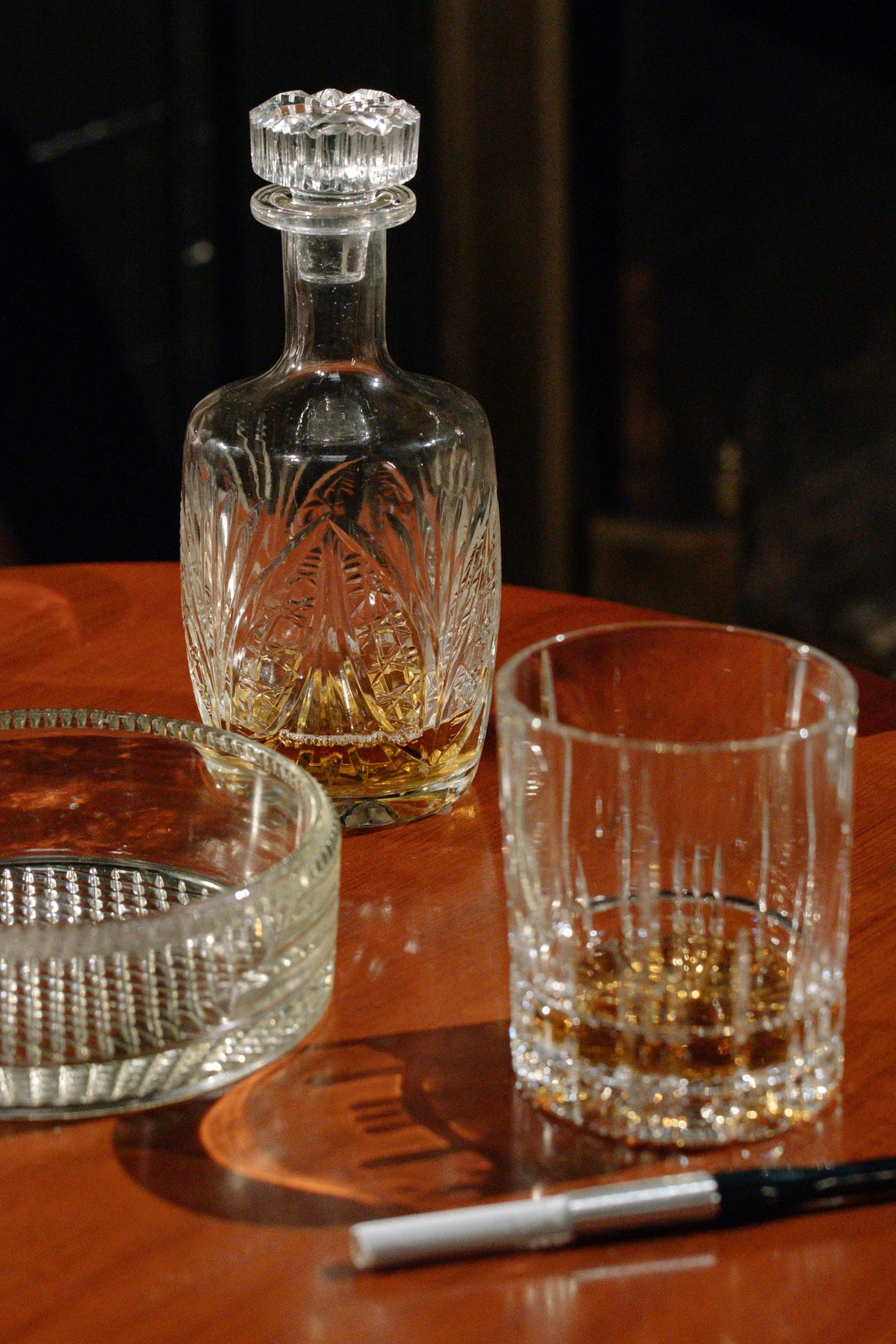
A good bottle of whiskey costs between $40 and $70, and almost everything worth drinking regularly lives in that window. Below $40 you are usually buying volume. Above $100 you are usually buying rarity, and the flavor stops improving long before the price does.
The confusing part of a whiskey shelf is that the same category can run from thirty dollars to three thousand. Nothing about the bottle explains why. So here is the actual map, with real prices, and an honest account of what changes as you climb.
What do whiskey prices look like by tier?
| Price | What you get | Best for |
|---|---|---|
| $35 to $50 | Solid entry single malts and reference blends | Everyday pouring, cocktails, first bottles |
| $50 to $75 | Age-stated 12 year malts with real character | The sweet spot, and most gifts |
| $75 to $120 | Specific cask finishes, 14 to 16 year malts | When you know what style you like |
| $120 to $300 | 18 to 21 year, allocated bottles | Occasions, serious collectors |
| $300 and up | Scarcity, prestige, secondary market | Gifting at scale, collecting |
The steepest jump in actual quality happens between the first and second row. The flattest is everything above the fourth.
What does a $40 bottle of whiskey get you?
More than most people expect. This is where the great value bottles hide, and none of them taste cheap.
Glenmorangie Original 10 Year at $39.99 is a genuine single malt with a clean, soft, citrus-and-vanilla profile that punches well above the price. Glenlivet Founder's Reserve sits at the same number and is the friendliest Speyside on the shelf. Johnnie Walker Black Label 12 Year at $44.99 is a 12 year blend that has been the world's reference point for decades.
If someone tells you that you need to spend more than this to drink well, they are wrong, and any of these three will prove it.
Why is the $50 to $75 range the sweet spot?
Because this is where age statements, distillery character and reasonable pricing overlap, and past it you start paying steeply for smaller gains.
At $59.99, Glenlivet 12 Year and Aberlour 12 Year both give you a properly aged Speyside malt, the second leaning sherried and rich. At $68.99, Talisker 10 Year brings sea salt and pepper and a warm smoky finish, and it tastes like nothing else at the price.
Buy one bottle from this tier and you will stop wondering what you are missing at the next one for a long while.
Why do older whiskeys cost so much more?
Three reasons, and only one of them is about flavor.
- Evaporation. A cask loses a percentage of its contents every year it sits. A 25 year barrel yields dramatically fewer bottles than a 12 year one did.
- Time and money. The distillery paid for wood, space and staff for a quarter century before earning a dollar back.
- Scarcity and demand. Once a brand becomes collectible, the secondary market sets the price, not the liquid.
Only the first two are real costs. The third is the one that pushes a bottle from $300 to $3,000, and it buys you nothing you can taste.
Does more expensive whiskey actually taste better?
Up to a point, clearly yes. Past roughly $120, the honest answer is that it becomes a matter of preference rather than quality.
Older whisky is not automatically better whisky. Wood keeps working the whole time it sits there, and it can dry a spirit out or bury it in tannin. Plenty of drinkers who have tasted both prefer a bright 12 year to a heavy 21. That is not a lack of sophistication. It is a real preference, and it saves a great deal of money.
Where the money does buy something is at the top of the range. Macallan 18 Year at $449.99 is a genuinely different experience, deeper and more layered than anything at a quarter of the price. It is also a bottle for an occasion, not for a Tuesday.
How can you spend less without drinking worse?
Four things actually work:
- Buy the larger format. Glenmorangie Original 10 Year in 1.75L at $99.00 works out well below the 750ml rate per ounce.
- Buy blends for mixing. Never put a single malt in a cocktail. You are burning money on character the other ingredients will erase.
- Ignore no-age-statement premium bottles unless you already know you like the house. That is where the widest pricing sits.
- Skip the gift box. Packaging is a real line item on some bottles and it does not improve the whisky.
Frequently asked questions
How much should I spend on whiskey as a gift?
$50 to $80 is the range that reads as generous without being extravagant, and it covers most age-stated 12 year single malts. For someone who is not already a whisky drinker, spending more is usually wasted on them.
Is a 750ml bottle enough for a party?
A 750ml bottle pours roughly seventeen standard 1.5 ounce servings. For a crowd, buy the 1.75L format or buy two bottles, and choose a blend rather than a single malt so nobody is put off.
Why is Japanese whisky so expensive?
Demand outran supply. Japanese distilleries did not plan for global popularity twenty years ago, so aged stock is genuinely scarce and prices reflect that scarcity rather than higher production costs.
Does whiskey get more valuable if I keep it?
Only specific collectible bottles, and it is speculation rather than investment. What is certain is that whiskey does not improve in the bottle. It stopped developing the day it left the cask, so keeping it for flavor gains nothing.
What is the cheapest whiskey actually worth buying?
Around the $40 mark, where entry single malts and reference blends sit. Below that you are generally buying young grain whisky, and the difference is easy to taste. For how the categories differ, see our guide to Scotch vs whiskey.
Spend sixty dollars, drink it slowly, and let the shelf above it wait until you actually want something from it.