
Wine for Simchas Torah: What to Buy for the Shul
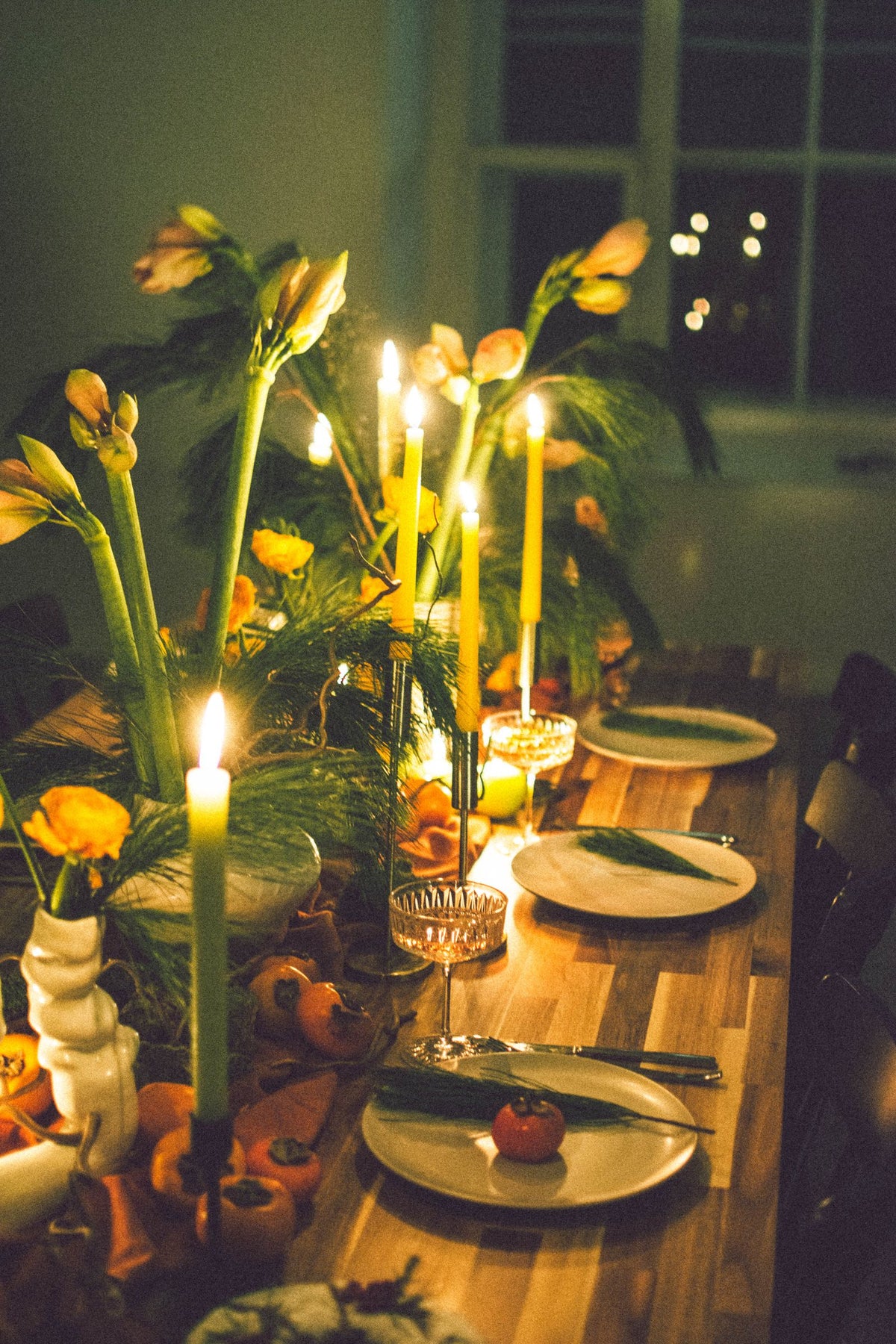
For Simchas Torah you want quantity over prestige, sweet over serious, and bottles that survive being poured by whoever happens to be holding them. Plan on roughly one bottle for every three adults, lean sweet, and put the good whiskey somewhere the hakafos cannot reach it.
Simchas Torah is the one yom tov where the wine is not really the point and somehow still decides how the night goes. Nobody is swirling. Nobody is reading a back label. The bottle gets opened, poured, set down on a table that is already crowded, picked up by someone else, and carried to a different table entirely. Buy for that, and the night runs itself.
How much wine does a shul actually need?
The honest arithmetic is simpler than people expect. A 750ml bottle gives you about five modest kiddush-size pours, or four generous ones. For a crowd that is drinking socially across a few hours rather than sitting down to a meal, one bottle per three adults is the number that has never left us short.
| Adults | Wine (750ml) | Whiskey (750ml) |
|---|---|---|
| 25 | 8 bottles | 1 to 2 |
| 50 | 16 bottles | 2 to 3 |
| 100 | 32 bottles | 4 to 5 |
| 200 | 64 bottles | 7 to 8 |
Two adjustments worth making. If your crowd skews older, shift a few bottles into whiskey. If it skews young and families are coming with children, add grape juice and take a bottle or two off the wine count. We go deeper into the math in our guide on how much wine to buy for a simcha.
Why mevushal matters more on Simchas Torah than any other night
This is the practical halachic point and it is worth being plain about. Mevushal wine keeps its status regardless of who handles or pours it. On a night when the bottle is going to pass through six sets of hands before it reaches a glass, and when you genuinely do not know who those hands belong to, a mevushal bottle removes a question you should not have to think about mid-hakafah.
Bartenura Moscato (750ml) is the obvious workhorse here. It is mevushal, it is certified OU, and at 5% alcohol it is gentle enough that people can have a glass, dance, and have another. It drinks like cold peaches with a little honeysuckle behind them, sweet but light on its feet, and the bubbles keep it from ever feeling heavy. It is also the single least controversial bottle you can put on a shul table.
If you want the full explanation of what the status does and does not cover, we wrote it up in mevushal vs non-mevushal. For Simchas Torah the short version is enough: check the label, and if the answer is not obvious, choose a bottle where it is.
What to actually put on the table
The sweet backbone
Most of your volume should be sweet or semi-sweet. This is not a compromise, it is a reading of the room. People who do not drink wine the rest of the year will drink a sweet wine happily, and people who do drink wine are not judging the kiddush table.
Kedem Matuk Kal (750ml) at $7.69 is the value end of this, and there is no shame in buying it by the case. It is soft, sweet, low in alcohol, and it does exactly the job. Buy more of this than you think you need.
One dry red for the people who want one
There is always a table that wants something dry. You do not need to spend for it. Baron Herzog Jeunesse Cabernet Sauvignon (750ml) at $13.49 is a soft, unfussy Cabernet with enough fruit that it does not feel austere next to the sweet bottles. Four or five of these alongside the sweet wine covers the whole room.
The whiskey question
Whiskey on Simchas Torah is its own economy. Somebody always brings a bottle, and somebody always finishes it. If you are buying for the shul rather than for yourself, buy one respectable bottle rather than three cheap ones, and accept that it will be gone.
Woodford Reserve Kentucky Straight Bourbon (750ml) at $40 is the bottle that keeps everyone happy without anyone needing to know what it cost. If your crowd runs to Scotch instead, the whiskey and spirits shelf has the range.
Buying it without a headache
Order it in one go, a week out. The mistake shuls make is buying twice: a first order that is too conservative, then a scramble two days before yom tov at whatever price is available. Work out the number from the table above, add ten percent, and place one order. Orders over $150 ship free, which a case comfortably clears.
Store the cases somewhere cool and out of the way, and open them as you need them. Anything unopened keeps for the next simcha, and on Simchas Torah there is always a next simcha.
Frequently asked questions
How many bottles of wine do I need for 100 people at a shul kiddush?
About 32 bottles of 750ml wine, plus four or five bottles of whiskey. That assumes social drinking over a few hours rather than a seated meal. Add ten percent if the crowd is mostly adults.
Should Simchas Torah wine be mevushal?
It is the practical choice. Mevushal wine keeps its status no matter who pours it, which matters at a crowded kiddush where the bottle passes through many hands. Bartenura Moscato is mevushal and certified OU.
Sweet or dry wine for Simchas Torah?
Mostly sweet. Sweet and semi-sweet wines suit a crowd that is not sitting down to taste, and they are what most guests reach for. Keep four or five dry bottles on hand for the people who prefer them.
How far ahead should a shul order?
About a week. One order, placed early, beats two orders placed in a hurry. It also gives you room if you need to add to it.
What is the cheapest wine that is still good enough for a shul?
Kedem Matuk Kal at $7.69 is the honest answer. It is sweet, light, and built for exactly this. Nobody at a Simchas Torah kiddush has ever complained about it.
Buy for the room you actually have, not the room you would design. Sweet, plenty of it, mevushal where you can, and one good bottle of whiskey you have quietly decided to share.