
What Is Cabernet Sauvignon? The King of Reds
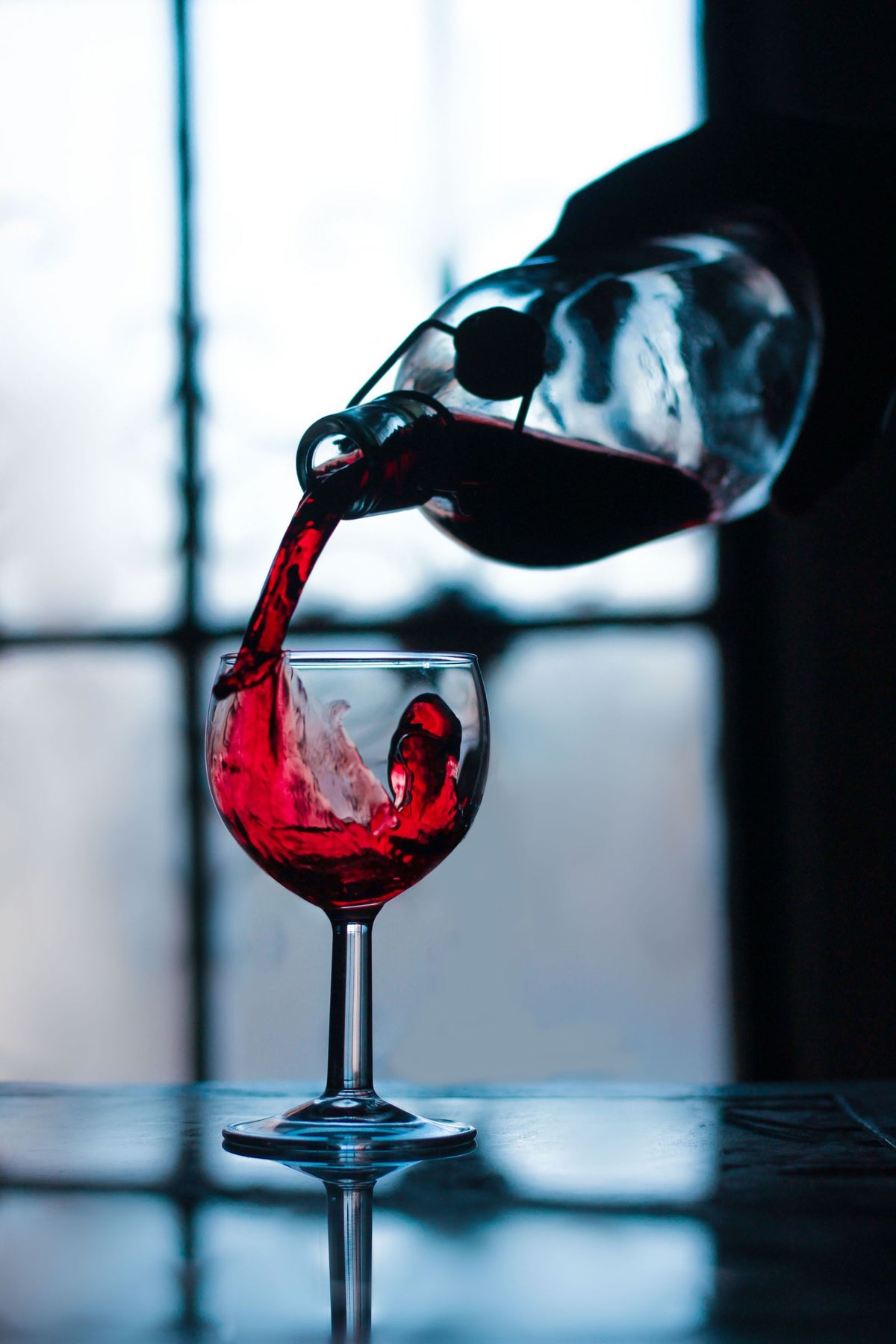
Cabernet Sauvignon is a dry red wine made from the world's most planted noble grape, prized for its dark fruit, firm tannin, and ability to age. It earned the nickname "king of reds" honestly. When a winemaker anywhere on earth wants to prove what their vineyard can do, Cabernet is usually the grape they reach for, and when a guest at your Shabbos table asks for "a good red," this is most often the bottle that answers.
The grape itself is a happy accident. Sometime in the seventeenth century, in a French vineyard, Cabernet Franc crossed with Sauvignon Blanc, and the child outgrew both parents. Thick skins, small berries, late ripening. Those three traits explain nearly everything in your glass: deep color, real structure, and flavors that lean dark (blackcurrant, cherry, cedar, a little green pepper when it is grown somewhere cool).
What does Cabernet Sauvignon taste like?
Start with black fruit: cassis, blackberry, dark plum. Then the frame around it, which is what separates Cabernet from softer reds like Merlot. Tannin gives that gentle drying grip on your gums, and acidity keeps the fruit lively instead of jammy. Oak aging, which most serious Cabernet gets, adds vanilla, toast, and baking spice. A good one drinks like ripe blackberries rolled in cocoa powder, with a cedar-box finish that hangs on after the swallow.
Young, inexpensive Cabernet is fruitier and softer. Older, more ambitious bottles trade some of that fruit for leather, tobacco, and earth. Neither is wrong. They are two different evenings.
Is Cabernet Sauvignon dry or sweet?
Almost always dry. The classic style ferments the grape sugar fully, so the richness you taste is fruit, not sweetness. That said, the kosher world has a genuine soft spot for semi-sweet reds, and a few wineries meet it with Cabernet made in a gentler style. Zmora Cabernet Sauvignon Semi Sweet is exactly that: the Cabernet character, rounded off with a touch of sugar, and it is a friendly way in if fully dry wine still feels like homework.
Good kosher Cabernet at every price
The honest news is that you do not need to spend serious money to drink well. The ladder looks like this:
| Tier | Bottle | When it shines |
|---|---|---|
| Everyday | Baron Herzog Jeunesse Cabernet Sauvignon | Friday night crowd-pleaser, lightly sweet, mevushal |
| Step up | Herzog Lineage Cabernet Sauvignon | Dry California Cab for a weeknight steak |
| Occasion | Adir Kerem Ben Zimra Cabernet Sauvignon | Upper Galilee fruit, a yom tov table |
| The splurge | Shiloh Secret Reserve Cabernet Sauvignon | A simcha, a gift, a wine to open slowly |
Here is the thing a salesman would not tell you: the step-up bottle and the splurge bottle are not competing. The Lineage is built to be delicious tonight. The Shiloh Secret Reserve (non-mevushal, so pour it yourself) rewards an hour in a decanter and a meal that takes its time. Buy for the evening you are actually having.
What food goes with Cabernet Sauvignon?
Cabernet's tannin was made for protein and fat. Brisket is the classic partner in a kosher home, and it is hard to top: the meat softens the tannin, the wine cuts the richness, and both come out better. Grilled ribeye, lamb, short ribs, even a good burger all work on the same logic. What fights it: delicate fish, very spicy food, and light salads, which make the tannin taste harsh. If the menu is lighter, browse the wider kosher red wine collection for a softer grape like Merlot or Pinot Noir.
How to serve it
- Temperature: 60 to 65°F. A room-temperature bottle in an American dining room is usually too warm; fifteen minutes in the fridge fixes it.
- Air: Young Cabernet opens up with thirty to sixty minutes in a decanter or even a wide glass.
- Glass: A larger bowl lets the aromas gather. No need for anything fancy.
- Leftovers: Recorked in the fridge, a Cabernet holds well for three to four days.
If Cabernet is your grape, the kosher Cabernet Sauvignon collection is the shelf to wander. Everything there ships by UPS, and every bottle is one we would pour ourselves.
Frequently asked questions
Is Cabernet Sauvignon a good wine for beginners?
Yes, with one adjustment: start soft. A lightly sweet, easygoing bottle like Jeunesse Cabernet teaches you the grape's flavors without the full tannic grip. When you find yourself wanting less sweetness, move up to a dry Cab like Herzog Lineage.
Is kosher Cabernet Sauvignon different from regular Cabernet?
The grape and the winemaking are the same. Kosher supervision governs who handles the wine and the kosher status of every ingredient and tool, not the style. Great kosher Cabernet from California and Israel competes with anything at its price.
What is the difference between Cabernet Sauvignon and Merlot?
Same family, different temperament. Cabernet is firmer, darker, and more structured. Merlot is plusher and softer, with red-plum fruit. If Cabernet is a firm handshake, Merlot is a warm one.
Should Cabernet Sauvignon be refrigerated?
Briefly, yes. Fifteen minutes in the fridge before serving brings it to the low 60s, where the fruit and structure show best. Store unopened bottles somewhere cool and dark.
How long does Cabernet Sauvignon last after opening?
Three to four days recorked in the refrigerator. Its tannin and acidity make it one of the sturdier reds to keep, so a solo glass on Tuesday does not doom the bottle.