
What Is Chardonnay? Oaked vs Unoaked Explained
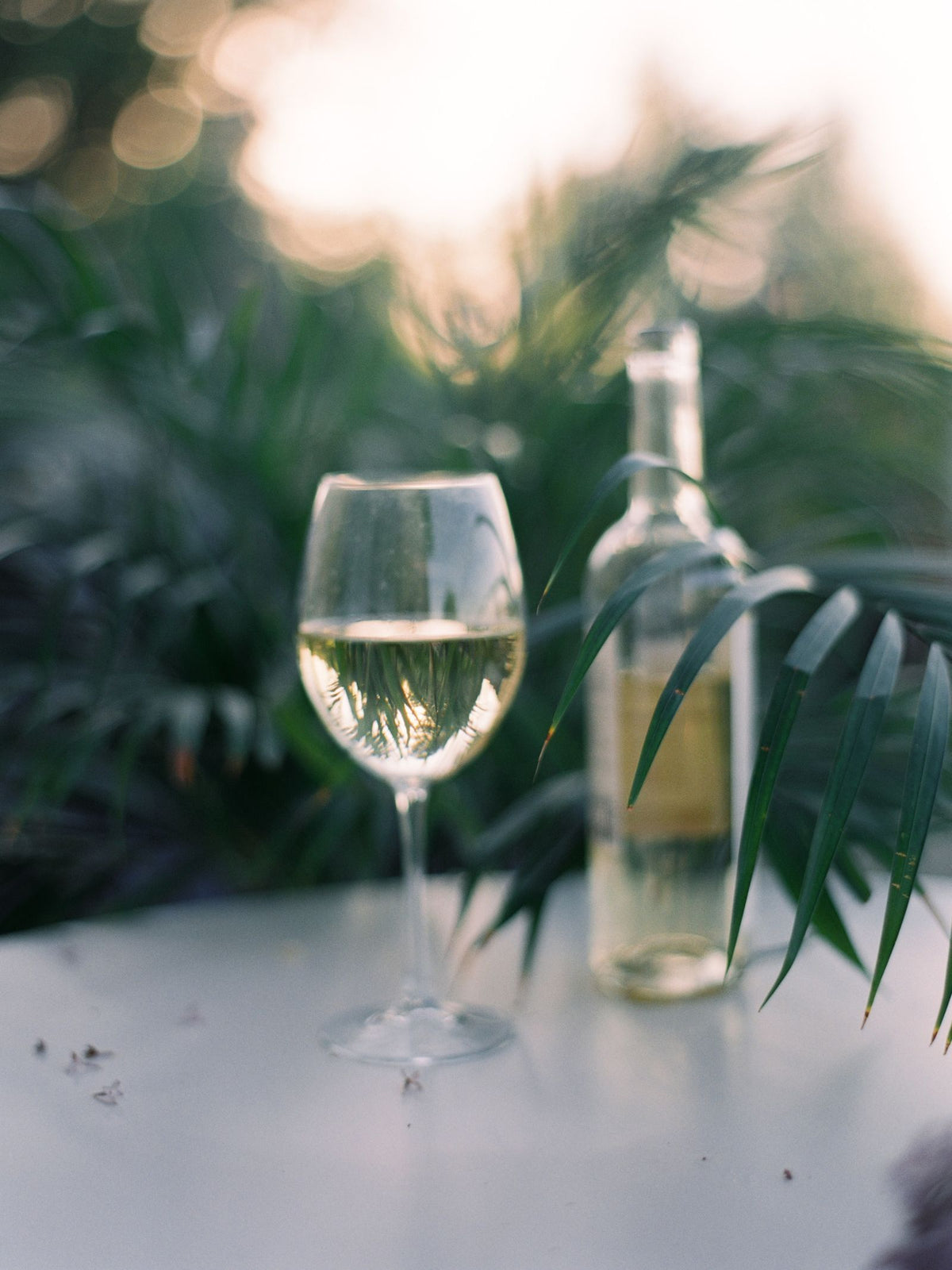
Chardonnay is a white wine grape that tastes like almost nothing in particular, and that is exactly why it is the most planted white grape on earth. The flavor you associate with it, whether that is green apple and lemon or butter and vanilla, comes mostly from what the winemaker did after the grapes arrived.
Which means the useful question is not what Chardonnay tastes like. It is whether the bottle in your hand saw oak.
What does Chardonnay taste like?
The grape itself brings orchard fruit and citrus: apple, pear, lemon, sometimes a little melon or fig in warmer vineyards. It has good natural acidity and a fuller body than Pinot Grigio or Sauvignon Blanc. That is the whole native personality, and it is deliberately quiet.
Everything else is technique. Ferment it cold in stainless steel and it stays lean and bright. Ferment or age it in oak barrels and it picks up vanilla, toast, baking spice, and a rounder texture. Put it through a secondary conversion called malolactic fermentation and the sharp acid softens into something closer to cream. Different winemakers pull different levers, and the same grape ends up in two glasses that barely recognize each other.
Oaked vs unoaked Chardonnay: what is the difference?
| Unoaked | Oaked | |
|---|---|---|
| Made in | Stainless steel or concrete | Oak barrels, new or used |
| Aroma | Green apple, lemon, white flowers | Vanilla, toast, butterscotch, baking spice |
| Texture | Crisp, light, clean finish | Round, weighty, coats the mouth |
| Serve at | 45 to 50°F, properly cold | 50 to 55°F, a touch warmer |
| Pairs with | Fish, salads, sushi, goat cheese | Roast chicken, salmon, cream sauces, kugel |
| Common label words | Unoaked, stainless steel, Chablis | Barrel fermented, reserve, oak aged |
Neither is better. They are two different wines that happen to share a grape, and most people who say they dislike Chardonnay have only met one of them. If you were handed an oaky, buttery glass at a kiddush once and decided the grape was not for you, try a steel-fermented bottle. It is a different experience entirely.
How can I tell if a Chardonnay is oaked before I open it?
Four tells, in order of reliability:
- The back label. Winemakers are proud of barrel work and they say so. "Barrel fermented," "aged in French oak," "10 months in barrique" all mean oaked. "Unoaked" and "stainless steel" mean what they say.
- The color. Oak and time deepen a white wine toward gold. A pale, almost water-clear Chardonnay is usually the steel version.
- The price. Barrels are expensive, and new French oak is very expensive. Below about fifteen dollars, any oak influence is usually light. Above thirty, barrel aging is common.
- The region on the label. Chablis is the classic unoaked expression. Warmer New World regions lean richer and oakier, though there are plenty of exceptions in both directions now.
When in doubt, the product page tells you. We keep the winemaking notes on the bottle's page for exactly this reason.
Which kosher Chardonnay should I start with?
Start by price tier, because the tiers genuinely deliver different things.
For an everyday bottle, Baron Herzog Chardonnay and Chateau Josephine Chardonnay both sit near thirteen dollars. This is the tier for Shabbos lunch, for a Tuesday, for the bottle you open without an occasion attached.
Step up and the wines get more specific. Odem Mountain Volcanic Chardonnay comes off the basalt soils of the Golan, and Israeli Chardonnay from that altitude tends to hold its acidity in a way warm-climate whites often do not. Yarden Chardonnay is the benchmark most kosher wine drinkers measure the category against, and it earns that.
At the top of our range, Covenant Lavan Chardonnay is a serious California bottle from a producer that treats Chardonnay as a project rather than a line item. If you want to taste what the grape can do when nobody is cutting corners, that is the one.
What temperature should Chardonnay be served at?
Colder than most people pour it, and warmer than most people think. Straight from the fridge is a little too cold: at 38°F the aromatics are locked shut and an oaked Chardonnay tastes like nothing. Pull the bottle out fifteen or twenty minutes before you pour.
Unoaked bottles want 45 to 50°F, where the citrus stays snappy. Oaked bottles open up closer to 50 to 55°F, where the vanilla and the texture come forward. The difference between a good bottle and a great evening is sometimes just those ten degrees.
What food goes with Chardonnay?
Match the weight, not the color. Unoaked Chardonnay handles anything a squeeze of lemon would improve: baked fish, salmon, a bright salad, dips, sushi. Oaked Chardonnay wants richness to lean against, so roast chicken, schnitzel, potato kugel, and anything with a cream or butter sauce all work beautifully.
The one pairing worth calling out: oaked Chardonnay and roast chicken on Friday night is one of the most reliably good things in wine, kosher or otherwise. There is a reason it never goes out of style.
Frequently asked questions
Is Chardonnay sweet or dry?
Dry, in nearly every case. Oaked Chardonnay often reads as sweet because vanilla and butterscotch aromas suggest sweetness, but the sugar is not there. If a Chardonnay actually tastes sweet on the tongue, check whether it is a blend or a late harvest bottling.
Is Chardonnay the same as white Burgundy?
White Burgundy is Chardonnay, yes. Burgundy labels by place rather than grape, so a bottle of Chablis or Meursault is a Chardonnay that never prints the word.
Is Chardonnay a good wine for beginners?
It is one of the best. It is easy to like, widely available at every price, and it teaches you what oak does faster than any other grape, because you can taste the same variety with and without it.
How long does Chardonnay last after opening?
Three to five days recorked in the fridge. Oaked bottles usually hold a day or two longer than unoaked ones, since the barrel aging has already given them a little oxygen conditioning.
Should Chardonnay be aged?
Most bottles under twenty-five dollars are made to drink now and will not improve on your shelf. Higher-end barrel-aged Chardonnay can develop for five years or more, gaining nutty, honeyed notes.
If you want to understand the grape properly, buy two bottles at once, one lean and one oaked, and pour them side by side. You will learn more in ten minutes than in an hour of reading. Our full Chardonnay selection makes that easy, and if you would rather compare across grapes first, we also put Sauvignon Blanc, Chardonnay, and Pinot Grigio head to head.