
What Is Coffee Liqueur? Espresso Martinis, Black Russians and the Pareve Bottle
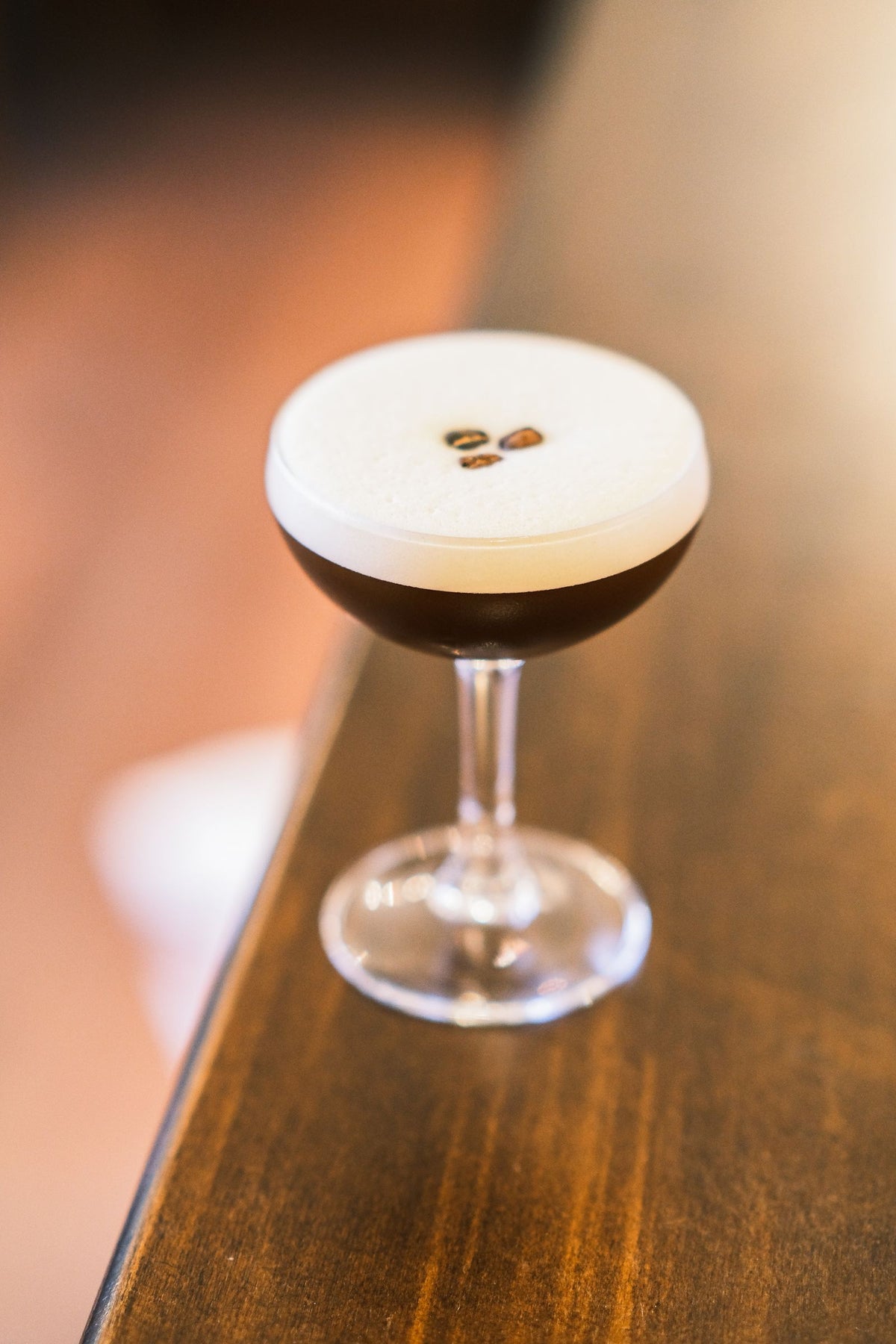
Coffee liqueur is cold coffee, sugar and a neutral spirit, bottled at drinking strength. That is the whole idea. Kahlúa is the name that made the category famous, and when people search for it what they usually want is the thing it does - the dark sweet coffee bottle that turns vodka into an espresso martini and makes a Black Russian possible.
The kosher shelf has a proper answer to that, and it has an interesting backstory. But first, the split that trips people up.
Two very different bottles wear the same name
Walk down the aisle and you will find "coffee liqueur" on two things that behave nothing alike.
Clear coffee liqueur. Coffee, sugar, spirit. Dark, glossy, no dairy. This is what a cocktail recipe means when it says coffee liqueur. It shakes into a foam, it keeps for a long time, and it is pareve.
Coffee cream liqueur. The same flavours with cream folded in. Opaque, thicker, lower in alcohol, and made to be poured over ice rather than shaken into anything. It also raises the one question that matters more here than anywhere else: is the cream dairy or not?
Get that distinction right and you will never buy the wrong bottle again.
The kosher coffee liqueur, and why it exists
Misceo Coffee Liqueur, $32.99 for 750ml, is the clear one - and it was created for exactly the reason you are probably reading this. The mainstream coffee liqueur that everybody kept in the cupboard lost its supervision, and Gitty Halberstam built a replacement in Brooklyn rather than let the category disappear from kosher bars.
It is percolated through Arabica beans, sweetened with pure cane sugar, and built on a five-times-distilled vodka base. Colombian beans for the buttery caramel side, a darker Italian roast underneath for depth. It runs at a higher strength than the bottle it replaced, which has a practical consequence: it does not go flabby when you shake it with ice, and it is clean enough to pour straight over a scoop of something cold.
There is a 375ml bottle at $16.99 if you want to try it before committing to the full size.
The espresso martini
It is not really a martini and it never was. Dick Bradsell built it behind a London bar in the late 1980s after a customer asked for something that would wake her up and knock her out at the same time. It went by other names for years before the one that stuck.
The build, for one drink:
- 50ml vodka.
- 25ml coffee liqueur.
- One fresh shot of espresso, hot is fine.
- A small spoon of sugar syrup, only if your coffee is bitter.
Shake it hard with plenty of ice - harder and longer than feels necessary, because the foam on top is made entirely by the shaking and the oils in fresh espresso. Strain into a chilled coupe. Three beans on top.
Two mistakes account for almost every bad one. Instant coffee instead of espresso, which gives you sweetness with no bitterness to push against it. And a lazy shake, which gives you a flat brown drink with no crown. The foam is the whole point.
For the vodka, do not overthink it. Tito's at $24.99 disappears cleanly behind the coffee. Grey Goose at $34.99 if the bottle is going on the table. Anything from the vodka shelf will do the job - the coffee is doing the talking.
Black Russian, White Russian
The two simplest drinks in the category, and both are three minutes of work.
Black Russian. Two parts vodka, one part coffee liqueur, over ice in a rocks glass. Stir. That is it.
White Russian. The same, with cream floated on top. Pour it over the back of a spoon if you want the layered look, or stir it in if you do not care.
For the White Russian there is a shortcut that also solves the dairy question in advance: Lavie Coffee & Cream Liqueur, $29.99, is espresso and real dairy cream already built around a spirit base. Over ice it drinks like an iced coffee dessert. It is dairy, so it belongs after a milchig meal or on its own, not after meat.
The pareve one, which is the useful bottle
This is the part no general drinks guide will tell you, and it is the reason the kosher shelf is arranged the way it is.
Walders Scotch & Coffee Creamy Liqueur, $25.99, is a cream liqueur with no dairy in it. Real Scotch whisky blended with coffee on a non-dairy base. Coffee and toffee on the nose, a whisper of smoke behind it, silky in the mouth.
What that means in practice: it pours after a fleishig meal. A Shabbos table that has just eaten meat can still have something creamy with coffee afterwards, or a splash of it in a cup of coffee on Motzei Shabbos, and nobody has to wait. That is a genuinely useful thing to own and most people find out about it by accident.
There is a 200ml at $13.99 for trying it, and the same house makes a Vodka & Vanilla at $25.99 on the same pareve base if coffee is not your thing.
One more, for the coffee-and-whiskey people
Oak & Eden Anthro Series Cold Brew Coffee Bourbon, $59.99, is not a liqueur at all - it is 116 proof Texas bourbon with a coffee-soaked oak spire sitting inside the bottle, finishing the whiskey while it waits on the shelf. Dark chocolate, caramel and roasted coffee bean, none of the sugar. If what you actually like about coffee liqueur is the coffee and not the sweetness, this is the bottle to look at.
What to buy
- Espresso martinis at home. Misceo and a bottle of vodka. Nothing else needed.
- Something to pour after a meat meal. Walders Scotch & Coffee. Pareve, over ice, cold.
- Dessert in a glass after dairy. Lavie Coffee & Cream.
- Coffee flavour without the sugar. Oak & Eden Cold Brew Coffee Bourbon.
The rest of the liqueur shelf is worth a look while you are here - the aniseed corner in particular, where Vincenzi Sambuca di Torino at $29.99 does the same after-dinner job in a completely different direction. If you are stocking a bar from nothing, How to Build a Home Bar From Scratch puts the order of purchase in one place, and What Is an Aperitivo? covers the drink that goes before dinner rather than after it.
We ship anywhere in the country. If you are not sure which of these you want, call and ask - it is a two-minute conversation.