
What Is Guaro? Colombia's Anise Cane Spirit
Guaro is the everyday word for aguardiente, the sugarcane spirit that Colombia drinks the way other countries drink vodka. It is clear, it is flavored with star anise, and it arrives at the table ice cold in small glasses that get refilled more often than anybody plans on.
People find the name on a bottle, see "guaro" and "aguardiente" printed together, and want to know which one is the category and which one is the brand. Neither. They are two names for the same drink. Here is what is actually in the bottle, what the number on the label means, and how it differs from the rum sitting next to it.
Guaro, aguardiente, rum: all cane, three different endings
Everything here starts in the same place, with sugarcane. What separates them is what happens next.
Rum is distilled from molasses or cane juice and then aged in oak, which is where it picks up color and the caramel and vanilla notes people expect. Our guide to rum walks through the styles.
Aguardiente takes cane in a different direction. It is distilled clean, left unaged, and flavored with anise. No barrel, no color, no sweetness unless the producer adds it. The result tastes nothing like rum. It tastes like licorice.
Guaro is simply what people call aguardiente in conversation. In Colombia the two words are interchangeable, and the anise version is the default. Travel to Costa Rica and guaro means a plainer, unflavored cane spirit, which is why the word confuses people who have met it in two countries.
If the anise is the part that interests you, you have met it before. It is the same botanical that drives arak, ouzo and pastis, and our guide to arak covers that family. The difference is the base: arak is built on grape, aguardiente on cane.
The number on the label is the alcohol
This is the detail that sends people searching. Colombian aguardiente is traditionally sold at two strengths, and producers print the number right on the front. It is not a batch code and it is not an age statement. It is the percentage of alcohol.
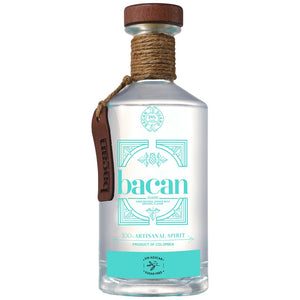
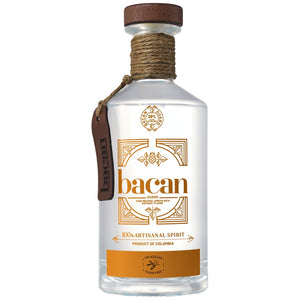
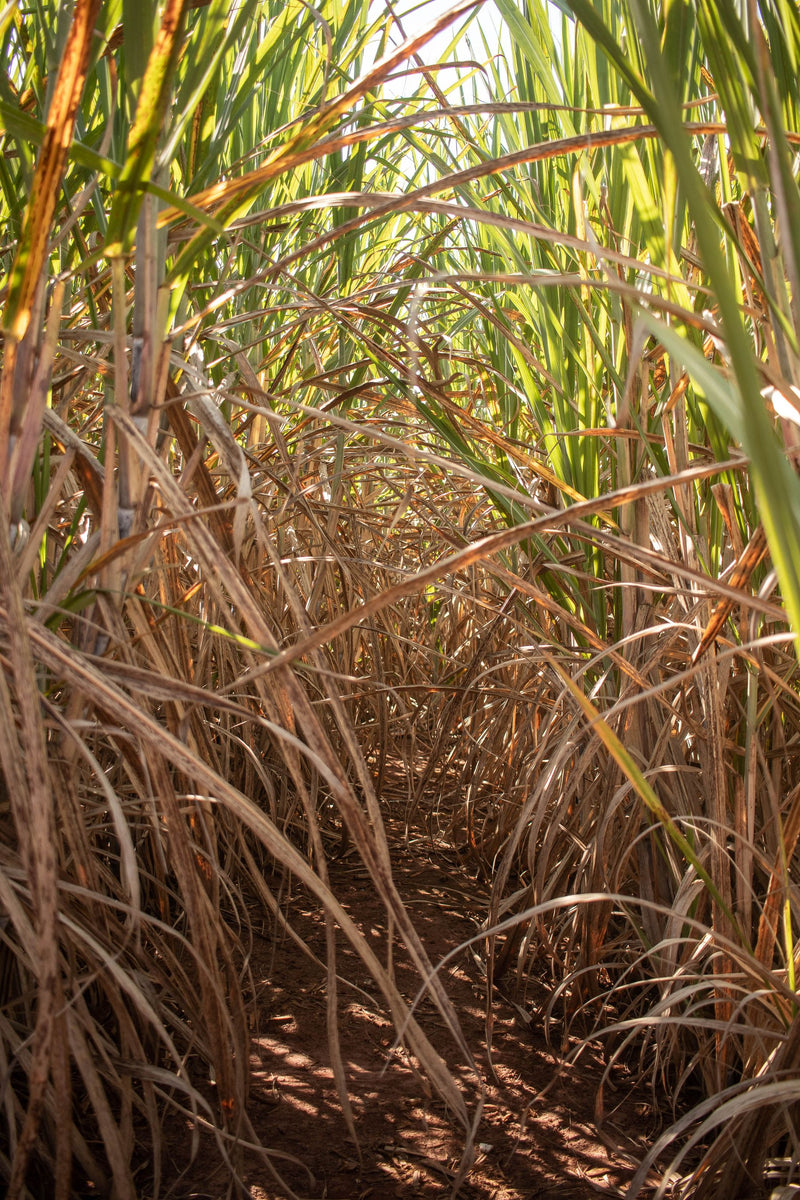
Our shelf carries both ends of that tradition from Bacan Guaro, made in Cali in the Valle del Cauca from first-press organic sugarcane juice, organic Spanish star anise and water. Bacan distills five times in small batches of under 1,000 liters and bottles it sugar-free, which keeps the anise clean instead of candied.
| Detail | Bacan Guaro 24 | Bacan Guaro 29 |
|---|---|---|
| Alcohol | 24% (48 proof) | 29% (58 proof) |
| Character | Anise, silky, festive | Bright, peppery, lively |
| Sugar | None | None |
| Bottle | 700ml | 700ml |
| Hashgacha | OU | OU |
| Price | See today's price | See today's price |
Both bottles cost the same, so the choice is about strength and about what you plan to do with it.
Which one to take
Guaro 24 is the one to pour neat. At 48 proof it is soft and silky for a spirit, sweet anise up front with a gentle spice behind it and a subtle citrus edge on the nose. Black licorice on the first sip, then delicate herbal and floral layers, then a calm finish with a little lingering warmth. Straight from the freezer into small glasses, passed around the table.
Guaro 29 is the one to build on. At 58 proof it still drinks light and airy, but the anise carries further and there is black pepper and rosemary on the nose with citrus and ginger through the palate. The finish is clean and refreshing rather than heavy. That extra backbone is what you want when there is tonic and lime in the glass with it.
How to drink it
Cold. Colder than you think. Aguardiente belongs in the freezer, and it is poured into small glasses for a l'chaim rather than sipped slowly from a tumbler. Anise turns sharp when it warms up and silky when it does not.
Three things that work:
Neat and freezing, in a shot glass or a small tulip, for a kiddush or after a meat meal. No ice, no mixer, nothing in the way.
Over ice with tonic and lime, which is the easiest highball on this shelf. The quinine in the tonic and the anise in the spirit pull in the same direction. A splash of lychee makes it a party drink.
Alongside food, which is where anise earns its reputation. It cuts grilled meats, spiced chicken, ceviche and a table of Sephardic mezze better than almost anything else you could put next to them.
A few practical notes
Both Bacan bottles are sugar-free, which matters more than it sounds. Much of the aguardiente sold in Colombia is sweetened, and sweetened anise gets cloying by the third glass. Dry anise does not.
Both carry OU certification. Neither is mevushal, which is only a consideration for wine, not for distilled spirits.
And the bottles are 700ml rather than the 750ml most spirits come in, which is standard for the category and worth knowing if you are working out how many glasses you are getting.
If you want to see where it sits against the rest of the shelf, browse the full whiskey and spirits range, or the liqueur and schnapps section for the sweeter end of the after-dinner table. Free shipping on orders $150+ in the lower 48.