
What Is Rum? Light, Gold, Dark and Sipping, Explained
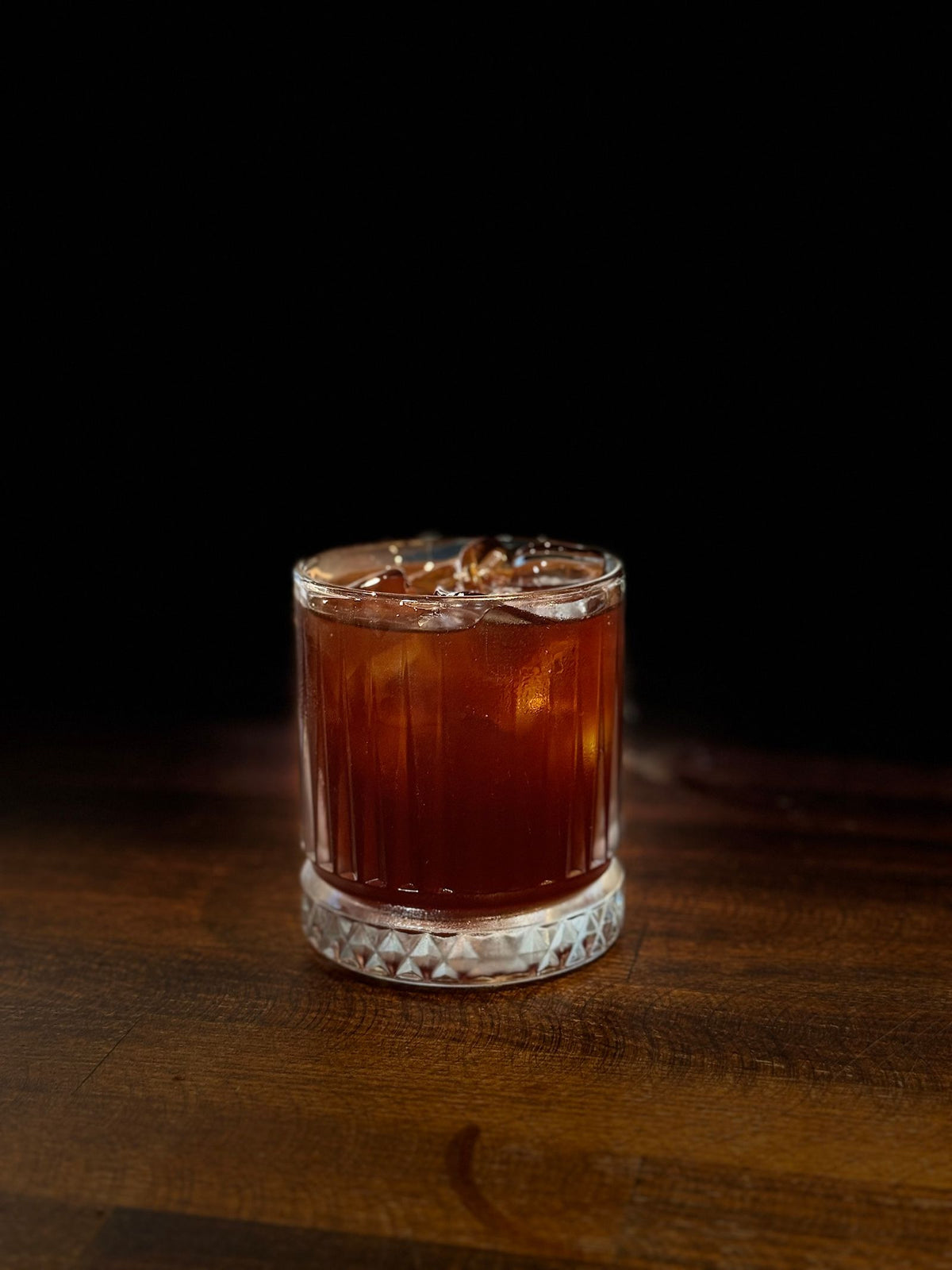
Rum is sugarcane, turned into spirit. That is the only rule. There is no protected region, no minimum age, no single legal recipe - which is why rum ranges from a two-dollar mixer to a bottle that outdrinks most whisky, and why the shelf is so hard to read.
The good news is that four words cover almost everything: light, gold, dark and aged. Learn what each one means and the confusion goes away.
Molasses or cane juice
The first fork happens before distilling. Sugarcane gets crushed, and the juice either goes to a sugar mill - leaving molasses, the thick dark syrup left over - or it gets fermented fresh.
Most rum in the world is made from molasses. It is what gives rum its brown sugar, toffee and dried fruit character, and it is available all year rather than only at harvest.
Rum made from fresh cane juice tastes grassier, brighter, more like the plant. That is rhum agricole in the French islands, and cachaça in Brazil, which is the same idea under a different name and the base of a caipirinha.
Light, gold, dark, aged
Light or white rum is aged briefly and then charcoal-filtered until the colour is stripped back out. It is deliberately clean - there is not supposed to be much character, because its job is to carry lime, mint and sugar without arguing. Bacardi Superior, $20.99, is the world's best-selling white rum and the default behind every daiquiri and mojito bar. Sugarcane, coconut water, a whisper of vanilla, and then it gets out of the way.
Gold or amber rum has spent real time in toasted oak and kept the colour. Vanilla, caramel, ripe banana. Still a mixer, but one you can taste through cola. Bacardi Gold at $22.99, distilled in Cataño, Puerto Rico, is the straightforward version of this.
Dark rum goes longer in the barrel, and often carries more molasses weight to begin with. Brown sugar, toasted oak, char. Dead Drop Dark Rum, $49.99, is a small-batch barrel-rested rum from Thornton Distilling in Illinois - brown sugar, vanilla, dark molasses and gentle oak char, made for sipping or for a Dark and Stormy.
Aged sipping rum is where rum stops being a cocktail ingredient. Santa Teresa 1796 Solera, $52.99, is Venezuela's benchmark: aged in a solera system that keeps blending older rum into younger, with spirit in the mix going back as far as thirty-five years. Caramel, toffee, dried fig, cocoa, a long warm finish. Pour it neat and treat it like a good brandy.
Where it comes from changes what it tastes like
This is the part that actually helps you choose, more than the colour does.
- Jamaica makes the loudest rum. Pot stills and long fermentations throw off big fruity, funky, almost overripe-banana notes. Appleton Estate Signature, $30.99, comes off one of the island's oldest sugar estates in the Nassau Valley - a blend of pot and column still rums averaging four years, cut with limestone-filtered water. Brown sugar, orange peel, ripe banana, toasted oak. No added flavours.
- Panama and Venezuela make the soft ones. Column stills, patient aging, a rounder and sweeter profile. Ron Abuelo Añejo, $20.99, is from the family-run Varela Hermanos estate, aged around five years in old Jack Daniel's barrels, and it is OU-certified - a five-year Panamanian rum at twenty-one dollars is a genuinely unusual thing to find.
- Puerto Rico and the Cuban tradition make the clean ones. Light, filtered, built for cocktails. That is the Bacardi house style.
Aging works faster in the tropics, too. A four-year Jamaican rum has taken more out of the wood than a four-year Scotch, because heat pushes spirit in and out of the barrel harder. Age statements on rum and on whisky are not the same currency.
The cousins on the same shelf
Two sugarcane spirits that are not called rum but belong to the same family.
Guaro and aguardiente - Latin America's clean cane spirit, usually lighter and less sweet than rum. Bacan Guaro 24, $44.99, is the first kosher-certified aguardiente: distilled five times in Colombia from first-press organic sugarcane with Spanish star anise, and made without added sugar. Star anise and citrus on the nose, black licorice and a whisper of vanilla on the palate. Nothing else on the kosher shelf tastes like it. If you already like arak, this is the one to try next.
Cachaça is the Brazilian fresh-cane version, and the reason a caipirinha tastes green and sharp rather than round and sweet.
Rum in cocktails, without a recipe book
Three drinks cover most of what anybody makes at home, and all three are ratios rather than recipes.
- Daiquiri. Two parts white rum, one part fresh lime, three-quarters part sugar syrup. Shake hard, strain, no ice in the glass. The frozen version is a different drink entirely.
- Cuba libre. Rum and cola with a hard squeeze of lime. The lime is not a garnish - without it you have rum and cola, which is a different and worse thing.
- Dark and Stormy. Dark rum floated on ginger beer over ice, lime wedge. Two ingredients, and the float is what makes it look like the drink it is meant to be.
Use white rum for the first two and dark for the third. The mixers shelf has the ginger beer and the syrups.
Is rum kosher?
Unflavoured rum is a simple product - sugarcane, water, yeast, oak - and Star-K lists plain unflavoured rum as acceptable without certification. Where it gets more involved is flavoured and spiced rum, where the additives matter, and barrel finishes, where what was in the cask first becomes the question.
Several bottles here take the guesswork out of it. Ron Abuelo Añejo is OU-certified. Dead Drop Silver, $39.99, and its dark sibling are from the first aged rum line ever certified Kosher for Passover - distilled by Ari Klafter at Thornton Distilling from premium brown sugar through twin copper stills, proofed with the 1830s limestone-filtered spring water that built the brewery. The silver is soft and floral, tropical fruit and clover honey, and drinks like a sipper rather than a mixer, which clear rum usually does not.
The barrel-finish question is the same one that comes up with whisky, and we went through it properly in Is Your Whiskey Kosher?. For Pesach specifically, our Kosher for Passover spirits guide is the place to start.
What to buy first
- One bottle for cocktails. Bacardi Superior, $20.99. Daiquiris, mojitos, rum and cola, done.
- One bottle that mixes and sips. Ron Abuelo Añejo, $20.99. The best value on this page by a distance.
- Something with real character. Appleton Estate Signature, $30.99. Jamaica, unmistakably.
- An after-dinner pour. Santa Teresa 1796, $52.99.
- For Pesach. Dead Drop Silver, $39.99.
There is also a whisky worth knowing about here: Angel's Envy Rye Finished in Caribbean Rum Casks, $89.99, which is rye whiskey that went into rum barrels afterwards. It is the clearest demonstration of what a rum cask actually does to a spirit, if that is a rabbit hole you want to go down.
The full rum shelf is here, and the wider spirits range if you are browsing. If rum is a new shelf for you, How to Build a Home Bar From Scratch puts it in order against everything else, and Bourbon vs Whiskey covers the neighbouring aisle.
We ship anywhere in the country. Call if you want a recommendation for what you are actually making.