
Bourbon vs Whiskey: Every Bourbon Is a Whiskey
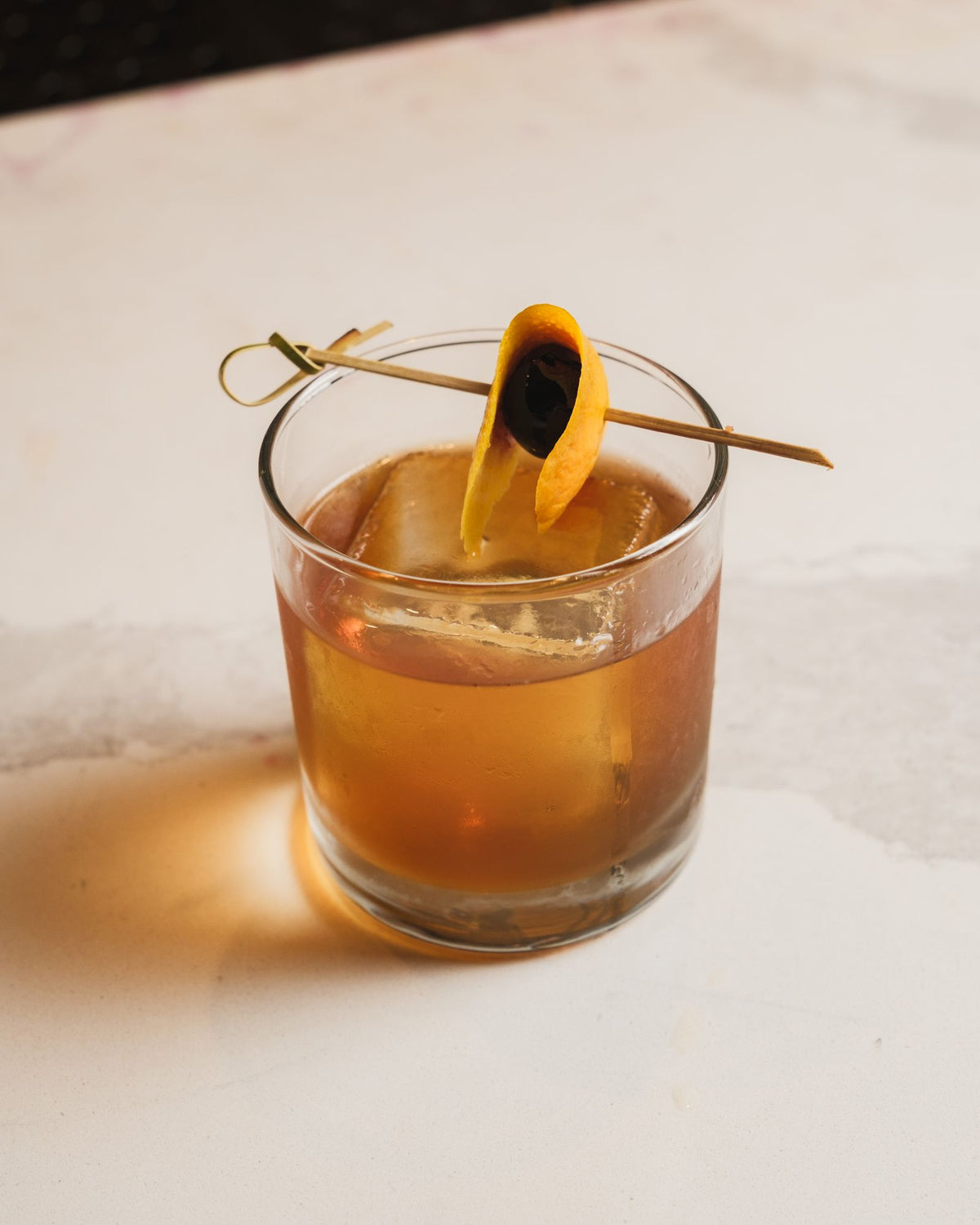
Every bourbon is a whiskey, but most whiskey is not bourbon. Bourbon is one specific style inside the whiskey family, defined by a short list of American legal rules, and once you know the rules the whole shelf organizes itself.
It helps to picture the aisle. Scotch on one side, Irish in the middle, a wall of Kentucky bottles at the end, and somewhere a Japanese bottle priced like a car payment. All of it is whiskey. The differences come down to three questions: what grain, which country, and what kind of barrel.
What is whiskey?
Whiskey is a spirit distilled from fermented grain mash and aged in oak. That is the whole definition. Grain, distillation, wood.
Everything after that is regional law. Each whiskey-producing country wrote rules about which grains, how long in the barrel, and what may be added, and those rules are what create the categories people argue about.
What makes a bourbon a bourbon?
American law is unusually specific here, which is good news for anyone trying to learn. To be called bourbon, a whiskey must be:
- Made in the United States. Not only Kentucky, though most of it is.
- At least 51% corn in the grain recipe. Corn is what gives bourbon its sweetness.
- Aged in new, charred oak containers. New every time. This is the rule that matters most.
- Free of added coloring or flavoring. The color in the glass came from the wood.
- Distilled and barreled below set proof limits, and bottled at 80 proof or higher.
Add the word "straight" and you are promised at least two years in the barrel. Add "Kentucky" and it was made in Kentucky. Basil Hayden Kentucky Straight Bourbon carries both words, and it is the gentler end of the category, lighter in the glass than its neighbors, more black pepper and dried orange peel than the thick caramel people expect from bourbon. It is the bottle to hand someone who says they do not like bourbon.
Why the new barrel rule changed the whole world of whiskey
Here is the part almost nobody mentions, and it is the one worth remembering.
Because American law requires a new charred barrel for every batch of bourbon, distilleries in Kentucky end up with an enormous supply of perfectly good barrels they are not allowed to reuse. Those barrels get sold, and they get shipped to Scotland, Ireland and Japan, where there is no such rule.
So a very large share of the world's Scotch has been aged in a barrel that held Kentucky bourbon first. Glenmorangie Original 10 Year is a clean example of what that gives you: soft, bright, a little vanilla and citrus, none of which is an accident of geography. It is bourbon wood speaking through a Highland malt.
One American rule, written for American reasons, quietly shapes the flavor of whiskey on three continents.
Bourbon vs Scotch vs Irish vs rye: the short version
| Style | Where | Main grain | Barrel rule | Generally tastes |
|---|---|---|---|---|
| Bourbon | United States | At least 51% corn | New charred oak, always | Sweet, vanilla, caramel |
| Rye | United States | At least 51% rye | New charred oak | Drier, peppery, spiced |
| Scotch | Scotland | Malted barley | Oak, three years minimum, reuse allowed | Malty, sometimes smoky |
| Irish | Ireland | Barley, malted and unmalted | Oak, three years minimum | Softer, rounder, fruit |
| Japanese | Japan | Malted barley | Oak, various | Precise, delicate |
Irish whiskey is the most underrated column in that table. Redbreast 12 Year Single Pot Still uses both malted and unmalted barley, an Irish tradition, and the result is rounder and more orchard-fruited than a Scotch at the same price. If bourbon feels too sweet and Scotch feels too severe, this is the middle you were looking for.
Is it whiskey or whisky?
Both are correct, and the spelling tells you the country. Ireland and the United States generally write whiskey with an e. Scotland, Canada and Japan write whisky without one.
It is a spelling convention, not a quality claim. A bottle of Glenlivet 12 Year says whisky on the label because it is Scottish, and that is the entire story. Our guide to Scotch vs whiskey covers what the Scotch category actually requires by law.
Single malt, blended, and why the price jumps
A single malt is malted barley from one distillery. A blend combines whisky from several. Blends are not lesser by definition, they are built for consistency, and a good one is a piece of craft in its own right. Johnnie Walker Black Label 12 Year is the reference point most people already know, and it is a fair one. There are actually four label terms rather than two, and our guide to single malt vs blended Scotch walks through all of them.
Price usually tracks age and scarcity rather than quality. A twelve year old whisky is not automatically better than a ten year old. It sat in wood longer, that is all, and wood can take as easily as it gives.
Which should you buy first?
If you are starting out, buy bourbon. It is the most forgiving category, the sweetness makes it easy to drink neat, and it tells you quickly whether you like oak. From there, move to Irish for softness or Scotch for depth.
And if you are buying with kashrus in mind, that is a separate question from style, and worth reading up on before you order. Our guide to whether your whiskey is kosher covers what actually needs checking.
Frequently asked questions
Is Jack Daniel's a bourbon?
It meets the bourbon requirements but is labeled Tennessee whiskey, because it goes through an extra charcoal filtering step before barreling. The company markets it as its own category. Technically it qualifies as bourbon, and choosing not to use the word is a branding decision.
Does bourbon have to come from Kentucky?
No. Bourbon can be made anywhere in the United States. Only a bottle that says Kentucky Straight Bourbon is making a promise about the state.
Is bourbon sweeter than Scotch?
Almost always, yes. That is the corn, plus a fresh charred barrel every single time. Scotch is built on barley and often on a barrel that has already given up some of its sugar to a previous whiskey.
Does whiskey age in the bottle?
No. A whiskey stops developing the day it leaves the barrel. A twelve year old bottle you have owned for a decade is still a twelve year old whiskey. Store it upright so the spirit does not sit against the cork.
What is the difference between bourbon and rye?
The grain recipe. Bourbon is at least 51% corn and leans sweet. Rye is at least 51% rye and leans dry and peppery. Same country, same new charred barrel, different personality.
Start with the corn. The rest of the shelf makes sense afterward.