
What Is Merlot? The Soft Red That Got Unfairly Blamed
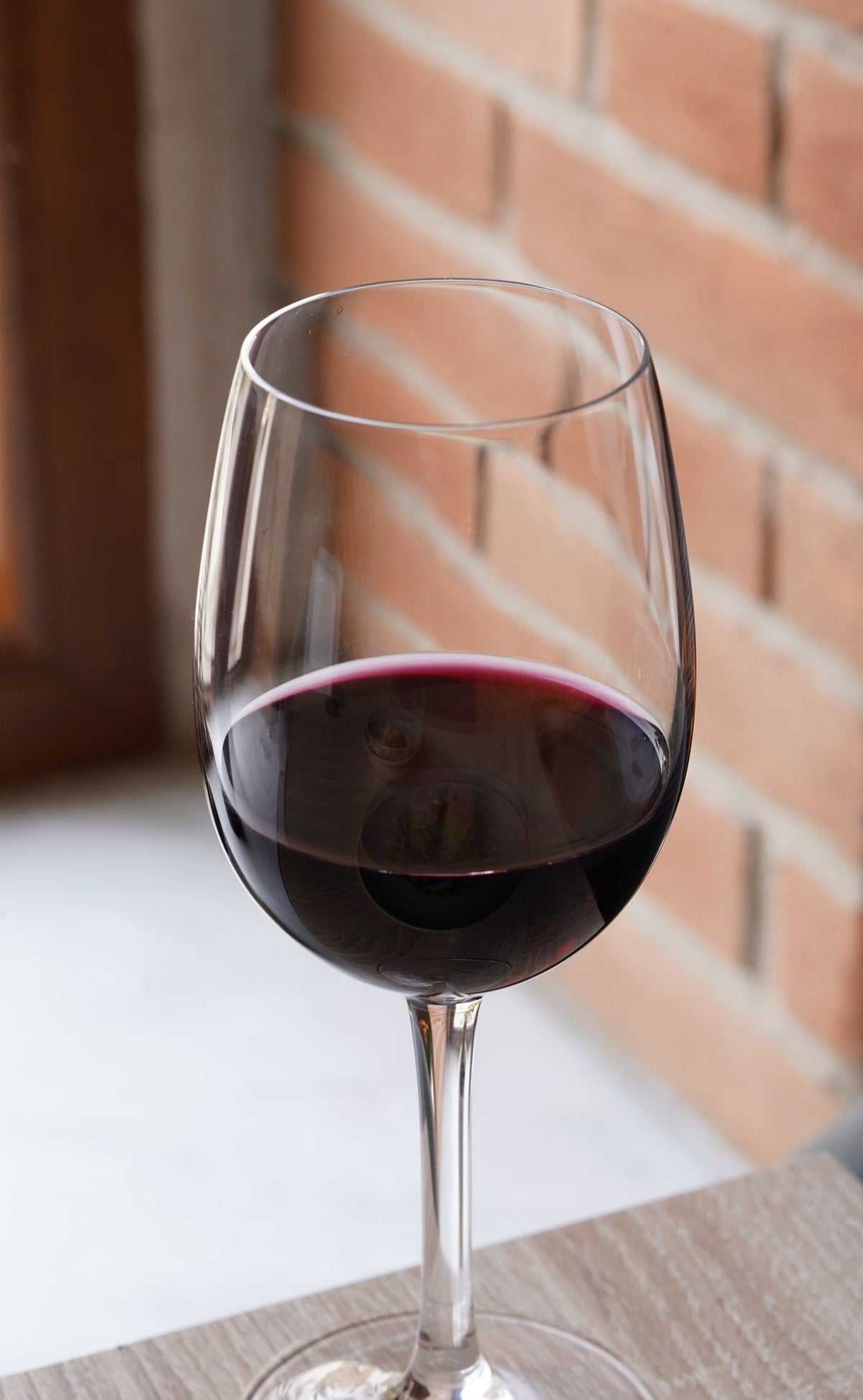
Merlot is a dark-skinned red grape that makes soft, plummy, low-tannin wine, and it is the most food-friendly red on most kosher shelves. It is Cabernet Sauvignon's gentler sibling, and for twenty years it has been unfairly treated as the boring option.
The reputation damage traces to one movie line in 2004 and to a decade before it when America planted far more Merlot than it had good land for. Cheap, thin Merlot flooded the market, people drank it, and a grape that produces some of the most expensive wine on earth got filed under "safe." Both things were true at once, and only one of them was the grape's fault.
What does Merlot taste like?
Plum and black cherry, softened at the edges, with less of the dry grip you get from a Cabernet. That softness is the defining trait. Merlot's tannins are rounder and its acidity is moderate, which is why it goes down easily on its own and why it almost never fights the food in front of it.
Style splits fairly cleanly by where it grew:
- Cooler climates (Bordeaux's Right Bank, parts of the Judean Hills) push it toward red fruit, earth and structure.
- Warmer climates (California, the Galilee, much of Israel) push it toward ripe black fruit, fuller body and a rounder, plusher feel.
Merlot versus Cabernet Sauvignon: what is the real difference?
They are related, they grow side by side across Bordeaux and Israel, and they get blended together constantly. The difference is grip.
| Merlot | Cabernet Sauvignon | |
|---|---|---|
| Tannin | Medium to low, rounded | High, firm |
| Body | Medium to full, plush | Full, structured |
| Fruit | Plum, black cherry | Blackcurrant, dark berry |
| Drinking window | Approachable young | Often needs time or air |
| Best with | Chicken, veal, roast, most Shabbos food | Fatty beef, grilled meat |
The practical version: if the meal is heavy in fat, Cabernet. If the meal is mixed, or you are pouring for people with different tastes, Merlot. Our fuller comparison of Cabernet, Merlot and Pinot Noir lays all three side by side.
Blending is where the grape quietly does its best work. Merlot fills in the middle of a Cabernet's palate, softening the hollow that firm tannin leaves behind. Most Bordeaux-style blends on our shelves lean on it whether or not the label leads with the name.
The kosher Merlots worth knowing
Israel turns out to suit this grape. Warm days, cool nights in the higher-elevation vineyards, and a style of eating that Merlot was built for.
Around $30
Metzuda Merlot SATAF Dry is a straightforward dry Merlot and a reasonable place to meet the grape. Shiloh Shor Merlot comes from one of the more consistent producers in the Judean Hills.
The mid-thirties to forty, where the grape gets serious
Domaine Ventura Merlot, Psagot Merlot and Yarden Merlot are the three we point people to most often. Yarden in particular is the Golan Heights Winery's flagship line, and its Merlot is one of the bottles that changed how Americans think about Israeli wine.
When you want the Right Bank version
Bordeaux's Saint-Émilion region is Merlot's homeland, and Vieux Chateau Guibeau Puisseguin Saint-Émilion is a genuinely affordable way to taste what the grape does on the land it was made for. Above that, Chateau Fombrauge Saint-Émilion Grand Cru sits in Grand Cru territory.
The full range lives in our Merlot collection, and the wider dry red selection is in red wine.
What food goes with Merlot?
Nearly everything on a Friday night table, which is the grape's real argument for itself.
- Roast chicken. The pairing Merlot exists for. Enough body to matter, not enough tannin to overwhelm.
- Veal and lamb. Especially anything braised.
- Brisket and slow-cooked beef. Merlot handles the sweetness in a braise better than Cabernet does.
- Mushroom and root vegetable dishes. The earthy side of the grape meets them halfway.
- Deli. Corned beef, pastrami, anything salty and fatty in a sandwich.
Where it struggles: very spicy food, which amplifies alcohol, and delicate fish, which it flattens.
How should you serve Merlot?
Slightly cool, around 60 to 65 degrees, which for most American homes means fifteen minutes in the refrigerator before the meal. Warm Merlot goes flabby and loses the little structure it has. Air helps but is not essential. It is one of the few serious reds that tastes right the moment you pull the cork.
If the bottle is being passed around a big table by people other than you, our mevushal collection covers the same grape and the same price bands.
Frequently asked questions
Is Merlot sweet or dry?
Dry. The ripe plummy fruit reads as sweetness to some people, but almost all Merlot is fermented to dryness with little to no residual sugar. If you want an actually sweet red, look at the semi-sweet category instead, which our dry versus sweet guide explains.
Is Merlot a good wine for beginners?
Yes, and it is the answer we give most often. Low tannin means it does not dry your mouth out, and its moderate acidity means it does not feel sharp. It asks nothing of you on the first sip.
Is Merlot stronger than Cabernet?
Not in alcohol, where the two are usually similar. It is softer in structure, which is a different thing entirely and is why it feels lighter even when it is not.
How long does Merlot age?
Everyday bottles are made to drink within a few years and do not improve with waiting. Serious Merlot from a good site, particularly Bordeaux's Right Bank, can develop over ten years or more. The price tag is usually the honest signal of which one you are holding.
What is the difference between Merlot and a Bordeaux blend?
A Merlot is at least mostly the one grape. A Bordeaux-style blend combines Merlot with Cabernet Sauvignon, Cabernet Franc and sometimes Petit Verdot, aiming for the structure of one and the flesh of the other.
Order a Merlot the next time you are cooking chicken and are not in the mood to think about it. That is not a knock on the grape. That is the whole point of it.