
What Is Pet Nat Wine? How It's Made and What It Tastes Like
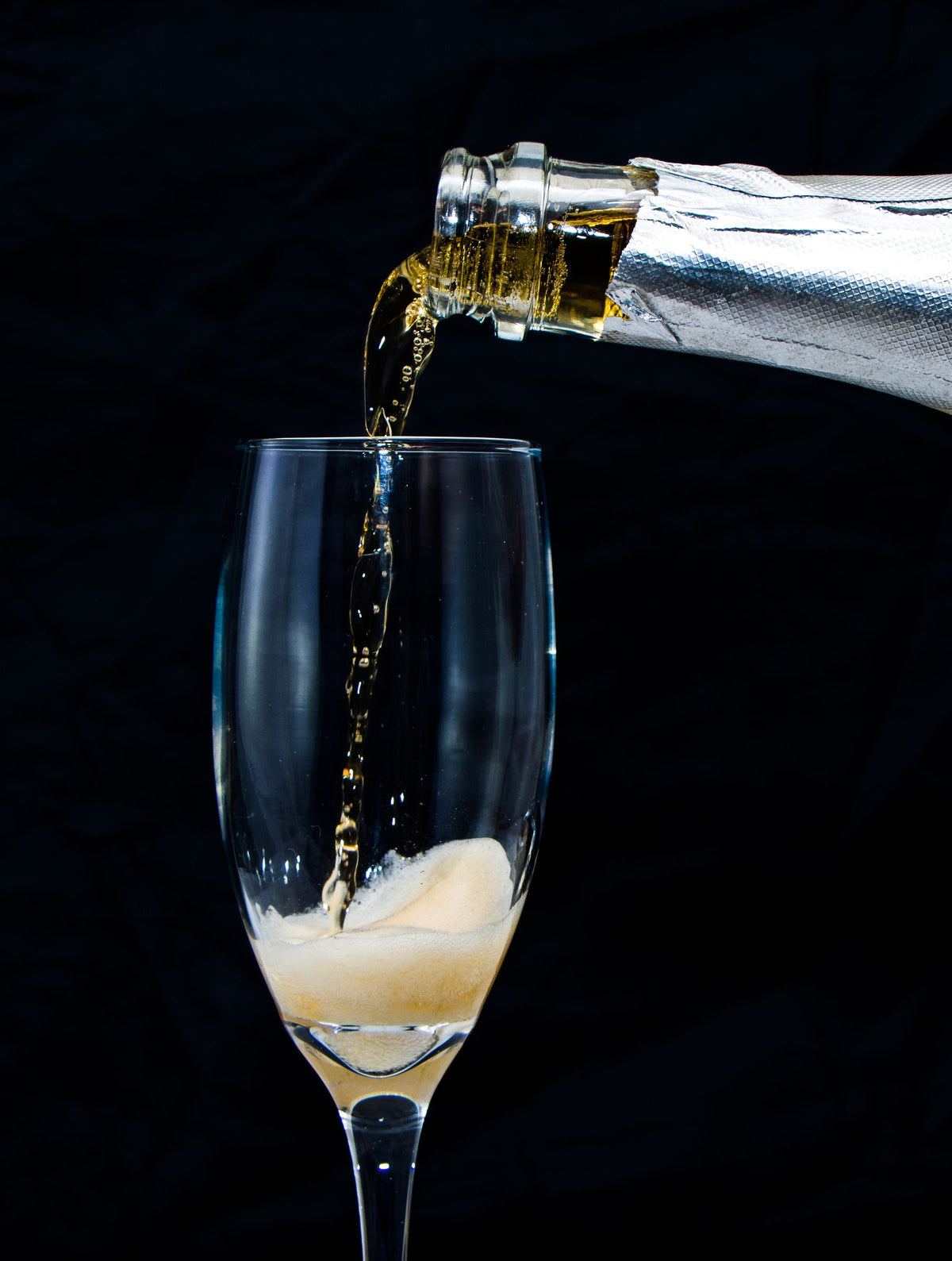
Pet nat turns up on wine lists and in shop windows with no explanation attached, usually next to a cloudy bottle with a beer cap on it. It is not a fad name for cheap champagne. It is an older way of making sparkling wine than champagne is, and it tastes noticeably different. Here is what you are actually buying.
The short answer
Pet nat is short for pétillant naturel - French for "naturally sparkling". The wine is bottled before it has finished fermenting, so the last of the sugar turns to alcohol and carbon dioxide inside the sealed bottle. The bubbles come from the wine itself. Nothing is added to make them.
Winemakers call it the ancestral method, and it predates champagne by a long way.
How that differs from champagne and prosecco
All three are sparkling. The difference is where the bubbles come from and how many fermentations there were.
Champagne is made in two stages. You make a finished, still, flat wine first. Then you add yeast and sugar, seal it in the bottle, and start a second fermentation to create the fizz. Later the dead yeast is frozen into the neck and fired out - that is disgorging - and the bottle is topped up and corked.
Prosecco also uses a second fermentation, but it happens in a big pressurised tank rather than in each bottle, then gets filtered and bottled under pressure. Cheaper, faster, fruitier.
Pet nat has only one fermentation, and it is simply interrupted by bottling. Nothing added, usually nothing filtered out, usually nothing disgorged. If you want the full comparison of the first two, we laid it out in champagne vs prosecco vs cava.
What that means in the glass
Several things follow from the method, and they are the reason people either love pet nat or find it baffling.
It is often cloudy. The spent yeast is still in there, because nobody disgorged it. That haze is not a fault. It is the wine.
The fizz is softer. Pet nat usually sits at lower pressure than champagne, so the bubbles are looser and foamier rather than sharp and needling. Some bottles are barely more than a prickle.
It is usually a crown cap. A beer cap, not a cork and cage. That is not corner-cutting - the ancestral method wants a seal that can be put on early and cheaply, and plenty of serious producers keep it on the finished bottle.
The alcohol is lower. You bottled before all the sugar converted, so there is less of it. Eleven percent is typical, against twelve and a half for champagne.
It tastes drier and breadier than the fruit-forward sparkling wines most people start on, with a cidery, slightly wild edge from the yeast still sitting in the bottle.
Is it the same as natural wine?
Not the same thing, but they travel together. Pet nat is a method; natural wine is an approach to farming and cellar work - minimal intervention, few or no additions, low sulfur. Because the ancestral method is itself a low-intervention technique, most pet nat is made by producers working that way, which is why the two words end up on the same shelf.
The kosher pet nats we carry
This is a small category in kosher wine. Dalton, in the Upper Galilee, makes the two that matter.
Dalton Pet Nat (750ml) at $31.99 is a Semillon base with a Muscat lift, bottled mid-fermentation. Fresh peach, orange blossom and a soft Muscat perfume over a light mineral edge; off-dry and playful on the palate, with orchard fruit and a whisper of yeast on fine natural bubbles. OU, and Kosher for Passover. It is one of very few kosher pet nats made anywhere.
Dalton Pet Nat Rosé (750ml) at $31.99 is the dry one - unfiltered and deliberately a touch cloudy, 11% alcohol, low sulfur. Blood orange, strawberry, raspberry and citrus blossom, with big lively bubbles and crisp acidity. OU, Kosher for Passover.
Both are built for Shabbos brunch, kiddush, and any table where you want a bottle that starts a conversation. Fruit platters, salads, mezze, cheese boards, shakshuka, sushi.
How to open and serve it
Two practical things, because pet nat catches people out.
Stand it upright in the fridge for a day before you open it if you want it clearer. The sediment drops to the bottom and you can pour off the bright wine. Or do not bother - plenty of people roll the bottle gently to mix the lees back in on purpose, which makes it richer and breadier.
Open it cold and slowly. Undisgorged bottles can be livelier than they look. Chill it properly, point it away from the room, and ease the cap off rather than popping it.
Serve it well chilled, in a normal wine glass rather than a narrow flute. There is aroma in these wines that a flute hides.
What it costs, in context
At $31.99 the Daltons sit between the tank-method bottles and real champagne:
- Kosher prosecco starts at $9.99 for the Bartenura Prosecco Brut half bottle, with the Gondola Prosecco at $16.99.
- Elvi Cava Brut is $21.99 - traditional method, champagne technique, Spanish price.
- Real kosher champagne starts at $64.99 for the Drappier Carte d'Or.
You are not paying for prestige with a pet nat. You are paying for a small, hands-on production run of something almost nobody makes kosher.
Who should try it
If you already like dry cider, farmhouse beer, or unfiltered anything, you will take to pet nat immediately. If your sparkling wine reference point is sweet moscato, start with the standard Dalton rather than the rosé - the Muscat lift gives you something familiar to hold onto. Our guides to moscato vs asti vs prosecco and the best kosher rosé are good next stops.
Both bottles ship anywhere in the country.