
What Is Riesling? Dry, Sweet, and Everything Between
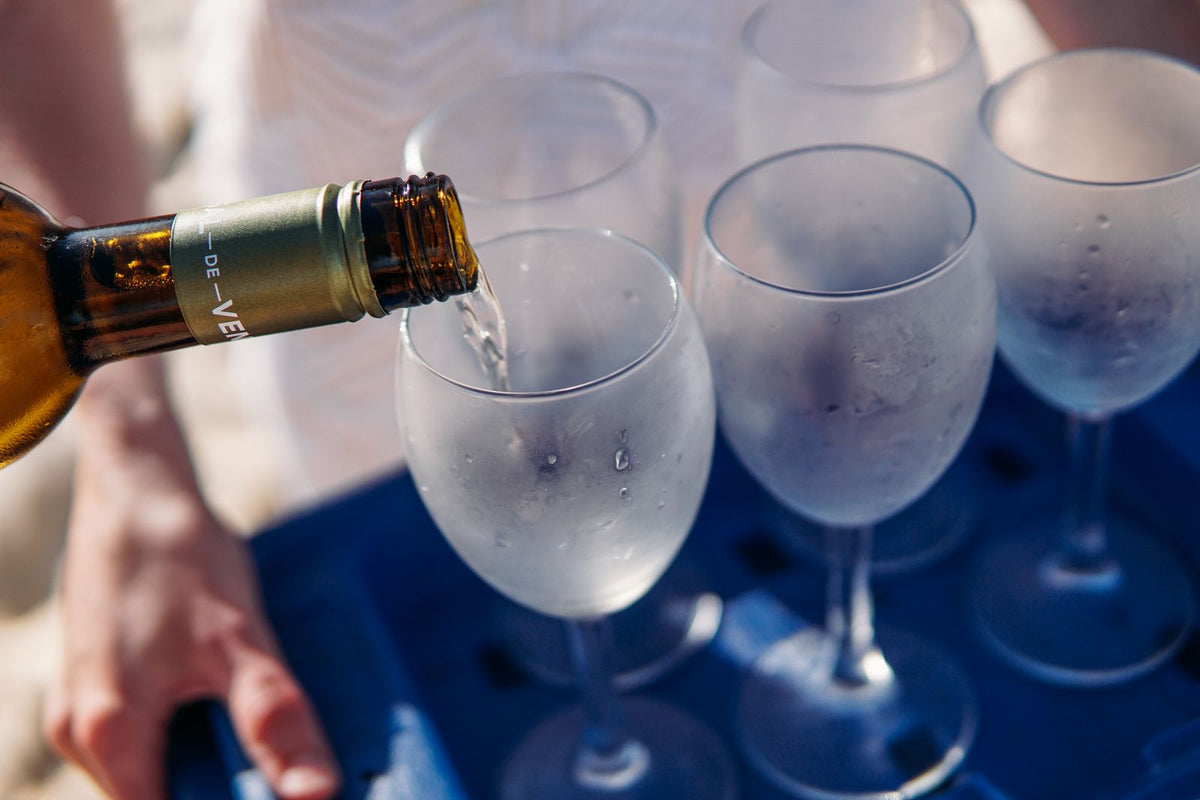
Riesling is a white grape from Germany's Rhine valley that makes wines ranging from bone dry to intensely sweet, and the bottle rarely tells you which one you are holding. That single ambiguity is why Riesling is both the most respected white grape in the world among professionals and the most avoided one at the store.
The fear is understandable. Somebody once poured a stranger a Riesling expecting crisp and got syrup, and the grape has been paying for it ever since. Learn to read two or three signals on a label and the whole category opens up.
Is Riesling sweet or dry?
Both, genuinely, and the range is wider than for almost any other grape.
What makes Riesling unusual is its acidity. It holds a bracing, lemony sharpness even when it is very ripe, which means a sweet Riesling does not taste cloying the way a sweet Chardonnay would. The sugar and the acid balance each other, and the wine stays lively instead of heavy. This is exactly why great dessert wines are so often Riesling.
| Style | Tastes like | Pair with |
|---|---|---|
| Dry | Green apple, lime, wet stone, no sweetness | Fried food, salty appetizers, fish |
| Off dry | Peach and citrus with a faint sweet edge | Spicy dishes, roast chicken, kugel |
| Semi sweet | Apricot, honey, still sharp underneath | Cheese, fruit, on its own cold |
| Late harvest / ice wine | Candied apricot, marmalade, intense | Dessert, or as dessert |
How do I tell if a Riesling is dry before I buy it?
Three reliable tells, in order of usefulness.
The word on the label. Producers who make dry Riesling almost always say so, because they know the fear. If the label says dry, believe it. Hagafen Lake County Dry Riesling puts it right in the name, and it delivers: tight, mineral, lime-driven, with no sugar to hide behind.
The alcohol percentage. Sugar that does not ferment does not become alcohol. So a Riesling at 12 percent or higher is usually dry or close to it, while one down at 8 or 9 percent has kept a meaningful amount of sweetness. This is the single most useful number on a white wine label and almost nobody reads it.
The words late harvest or ice wine. These always mean sweet. Grapes picked late or frozen on the vine concentrate their sugar dramatically. Herzog Late Harvest White Riesling is exactly what it says, dense with apricot and honey, and Tzafona Riesling Icewine takes that to its logical extreme in a half bottle, because nobody needs more than that at once.
The thing nobody tells you: Emerald Riesling is not Riesling
This one trips up a lot of people on the kosher shelf specifically.
Emerald Riesling is a different grape entirely, a cross bred at the University of California in the twentieth century for hot climates. It shares a name and very little else. Carmel Selected Emerald Riesling-Chenin Blanc is a perfectly pleasant, easy, lightly sweet white and a genuinely good value, but if you buy it expecting German Riesling you will be confused. Buy it for what it is.
Where does good Riesling come from?
Germany is the homeland and still the benchmark. Alsace in France makes it almost entirely dry and fuller-bodied. Washington State turns out clean, fruit-forward versions at reasonable prices, and Australia's Clare Valley makes some of the driest and most lime-driven Riesling on earth.
On the kosher shelf, Washington and Alsace are where the value sits. Pacifica Riesling is the easy weeknight bottle, and Koenig Riesling brings the Alsatian style, a little rounder and more floral, still built around acid.
What food does Riesling actually save?
- Anything fried. The acidity cuts oil the way lemon does. Latkes and a cold off-dry Riesling is one of the great underrated pairings.
- Anything spicy. A touch of sweetness calms heat, where a tannic red makes it worse.
- Salty appetizers. Herring, olives, smoked fish. Salt and acid are old friends.
- Sweet and savory together. Sweet kugel, glazed chicken, anything with fruit in a main course.
Serve it cold but not frozen, around 45 to 50 degrees. Straight from a cold fridge is slightly too cold, and ten minutes on the counter opens up the aromatics considerably. See the full selection on the Riesling collection, or browse the wider kosher wine collection if you are still deciding.
Frequently asked questions
Is Riesling a good wine for beginners?
Very. Off-dry Riesling is one of the friendliest wines there is, aromatic and low in alcohol with no tannin to work through. The only trick is knowing which sweetness level you bought.
Why does old Riesling smell like petrol?
It is a real and well documented compound that develops as Riesling ages, and among enthusiasts it is considered a mark of quality rather than a flaw. If you find it unpleasant, drink your Riesling young, which most people do anyway.
How long does Riesling last?
High acidity makes it one of the longest-lived white grapes, and top examples can age for decades. Everyday bottles are best within two or three years. Once opened, finish it within three or four days in the fridge.
Is Riesling the same as Moscato?
No. Both can be sweet and both are aromatic, but Moscato is a different grape, generally lower in alcohol, often lightly sparkling, and much sweeter as a rule. Riesling has far more acidity and a much wider stylistic range.
What is the difference between Riesling and Gewurztraminer?
Gewurztraminer is rounder, lower in acid, and more perfumed, with lychee and rose petal notes. Riesling is sharper and more citrus-driven. Both come from the same corner of Europe and often sit side by side on the shelf.
Buy one dry bottle and one late harvest, open them a week apart, and you will understand the grape better than any article can teach you.