
What Is Sancerre? The Loire's Sauvignon Blanc, Explained
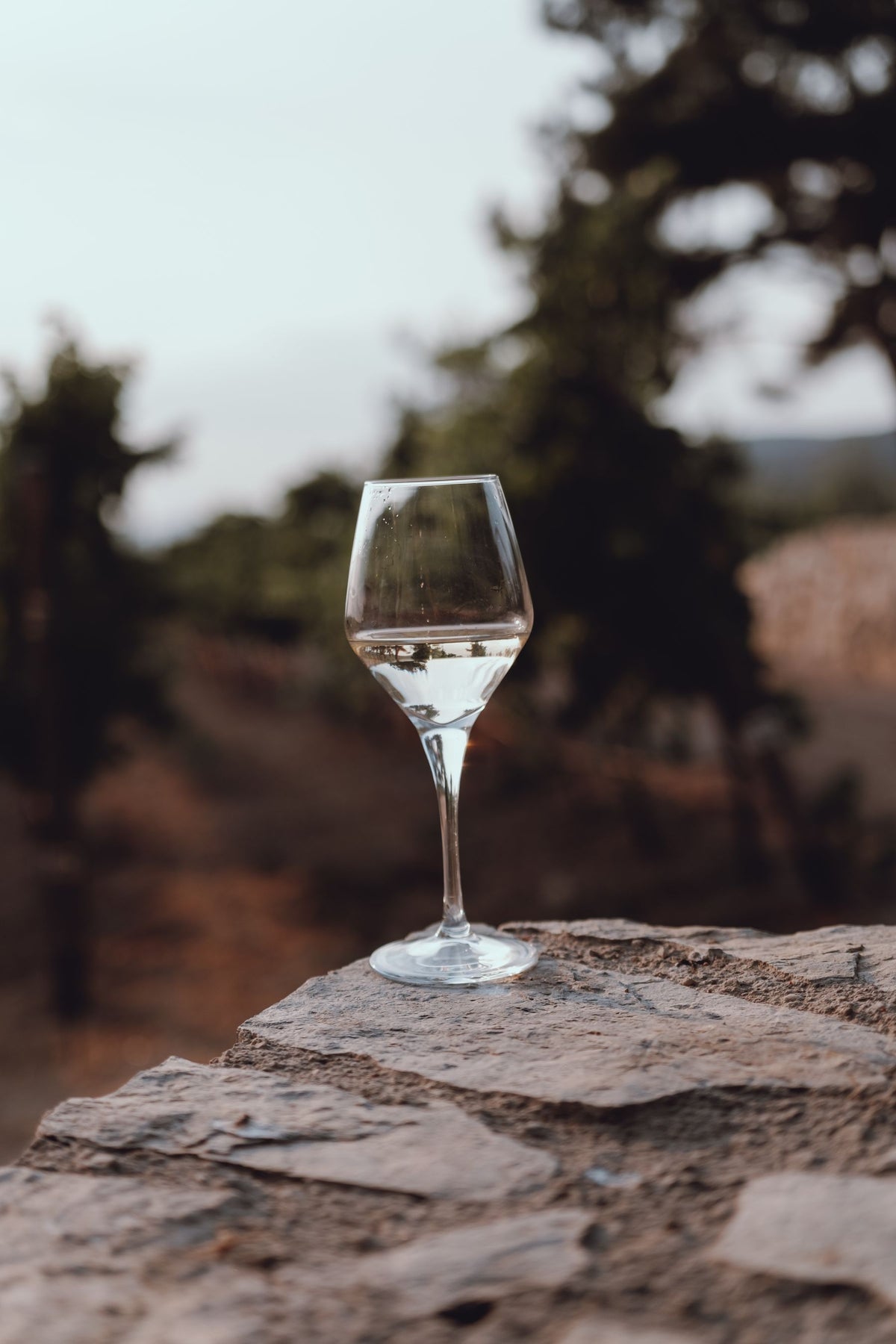
Sancerre is one of those wine words people order confidently without being entirely sure what it refers to. It is not a grape. It is a place - a hill town on the eastern edge of France's Loire Valley - and the wine it gave its name to is the reason a lot of people think they like Sauvignon Blanc when what they actually like is Sancerre.
Sancerre is an appellation, not a grape
French wine is labelled by where it comes from, not what it is made of, which is why so many French labels tell you nothing useful about the contents. Sancerre is an AOP - a defined patch of land with rules about what may be planted there and how it may be made.
The rules are short:
- White Sancerre must be 100 percent Sauvignon Blanc.
- Rose and red Sancerre must be 100 percent Pinot Noir.
That is it. So a bottle marked Sancerre with no grape on the label is Sauvignon Blanc if it is white and Pinot Noir if it is pink, every time, with no exceptions.
Why it tastes like wet stone
Sancerre has a reputation for minerality - that flinty, struck-match, wet-pebble note underneath the citrus. It comes from the ground, and the hill has three distinct kinds of it:
- Caillottes - shallow, stony limestone. Gives the lightest, most aromatic, quickest-drinking wines.
- Terres Blanches - white marl, heavier clay over limestone. Gives fuller wine with more weight and a longer life.
- Silex - flint. This is the one that gives the famous gunflint smoke.
Most serious Sancerre is blended across more than one of these, which is how a producer gets aroma, body and that flinty edge in the same glass. Our J. de Villebois Sancerre Blanc at $42.99 is assembled across all three, and it is the clearest illustration of the point on our shelf - elderflower and lemon on the nose, gooseberry and green asparagus on the palate, chalk running underneath the whole thing.
How it differs from other Sauvignon Blanc
Put a Sancerre next to a New Zealand Sauvignon Blanc and they barely seem related. The New Zealand style leads with tropical fruit and cut grass, loud and generous. Sancerre is cooler, tighter and more savoury - citrus and green fruit rather than passionfruit, with acidity that comes across as tension rather than tartness.
Neither is better. They are answers to different questions. If you want the wine to be the loudest thing on the table, go tropical. If you want it to sharpen the food and get out of the way, that is what the Loire does.
We compared the grape across regions in what is Sauvignon Blanc, and set it against the other two white wines people actually buy in Sauvignon Blanc vs Chardonnay vs Pinot Grigio.
The kosher Sancerre on our shelf
Real kosher Sancerre is not common, and we have three:
- J. de Villebois Sancerre Blanc, $42.99 - the benchmark. Blended across Caillottes, Terres Blanches and Silex. Mevushal, which matters if you are pouring at a table where that is the deciding factor.
- Le Grand Secret Sancerre, $42.99 - textbook and precise. Gooseberry, grapefruit peel and white flowers, then a dry, taut, saline finish. Non-mevushal, OU certified.
- J. de Villebois Sancerre Rose, $29.99 - the Pinot Noir side of the appellation, and the one most people have never tried. Salmon pink, red berries and citrus, tense and mineral rather than fruity.
The two whites cost the same and taste meaningfully different, which is a rare and useful thing. The Villebois is rounder and the Grand Secret is tighter. If you are buying one bottle for a fish course, take the Grand Secret. If you are buying one bottle for a table where mevushal decides it, take the Villebois - and it is a genuinely good wine, not a compromise.
If mevushal is a term you have nodded along to without being sure of, we explained it properly in mevushal vs non-mevushal.
What to eat with it
Sancerre and goat cheese is the classic pairing, and it is classic because the same chalky hillside that grows the grapes feeds the goats a few miles away. It works.
Closer to home, the acidity and the saline finish make it very good with gefilte fish - it cuts the sweetness in the fish and the horseradish does not fight it. It is also the right bottle for lemon-roasted chicken, a salt-and-pepper fish course, or a dairy lunch where a Chardonnay would sit too heavily.
Serve it properly cold, around 45 to 48 degrees. Warm Sancerre loses the tension and just tastes thin.
Where to go next
Sancerre is the top of the Loire, and the Loire is one of the great white wine regions that kosher drinkers mostly skip. The rest of our French bottles are laid out in the French kosher wine guide, and the French white wine collection is where to browse them. For the wider shelf, start at kosher white wine.
We ship anywhere in the country. Buy one of each white, open them side by side, and you will learn more about Sauvignon Blanc in one evening than any amount of reading will teach you.