
What Is Sorghum Whiskey? The Whiskey You Can Drink on Pesach
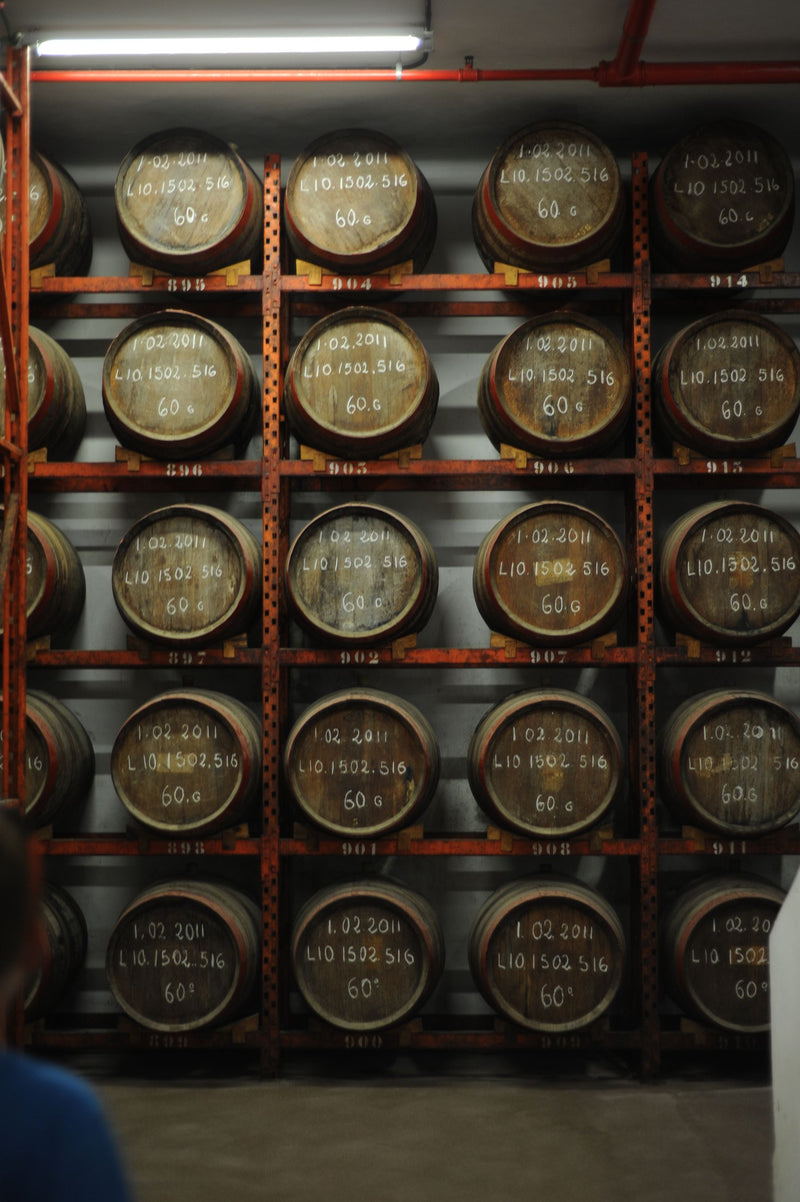
Whiskey is made from grain. That one sentence is why, for most of the history of the drink, there was no whiskey on a Pesach table — grain whiskey is chametz, and it does not stop being chametz because it is delicious. Sorghum whiskey is the workaround, and it is a real category, not a gimmick.
What sorghum is
Sorghum is a tall cereal grass, grown for thousands of years across Africa and Asia and farmed heavily in the American South. The stalks are crushed for a thick, dark syrup — sorghum syrup, which sat on Southern breakfast tables long before maple syrup was cheap. That syrup is sugar, and sugar ferments.
Crucially, sorghum is not one of the five grains. Wheat, barley, rye, oats and spelt are the five that become chametz. Sorghum is none of them, which is the whole reason this bottle exists.
What sorghum whiskey tastes like
Different from bourbon, and not in the direction you would guess. Corn-based bourbon runs sweet and broad; rye runs spicy and sharp. Sorghum sits somewhere gentler than both — honeyed and soft, with a faint earthy, grassy note underneath that keeps it from being cloying.
Because it is distilled from syrup rather than a grain mash, the spirit going into the barrel starts out rounder, and the oak has an easier time of it. You get vanilla and butterscotch forward, light spice behind, and a finish that is warm rather than hot.
The bottle: Ethan's Reserve
There is essentially one sorghum whiskey that matters on a kosher shelf. Ethan's Reserve is distilled by Bruce Boeko at Nashville Craft Distillery in Tennessee, from sorghum stalk syrup rather than grain, in small batches — and it is billed as the first kosher-for-Passover whiskey ever made.
It is bottled at 47 percent, which is above the usual 40, and you can feel it: there is more body and more carry than the softness of the nose suggests. Vanilla cake batter, honey and toasted oak with a floral lift on the nose. The palate is soft and honeyed, butterscotch and light spice against a slight earthiness that anchors the sweetness. The finish is long and warming, charred-oak vanilla and caramel to the last sip.
- Ethan's Reserve Sorghum Whiskey, 750ml — 47 percent, certified Kosher for Passover under OU-P.
Why it matters in Nissan
Come Pesach, the liquor cabinet empties out fast. Scotch, bourbon, rye and Irish whiskey are all grain. Vodka is usually grain too unless it is made from potatoes or grapes. What is normally left is wine, slivovitz, arak, tequila and a short list of brandies — good drinks, but none of them a dram after the seudah.
Ethan's Reserve is the bottle that closes that gap, which is why it is worth buying in advance rather than in April. The wider Pesach picture is in kosher for Passover spirits, and the question of cask history and certification generally is in is your whiskey kosher. If sorghum raises a kitniyos question at your table, that one is for your rav, not for us.
How to drink it
Neat, at room temperature, is where it shows best — at 47 percent it has enough backbone to take a few drops of water if you want the honey to open up. On the rocks it works too, and it is genuinely good against brisket, smoked meat and dark chocolate desserts. It is a poor mixer; you would be paying for texture and burying it under cola.
If you are not buying it for Pesach
The rest of the year, the American whiskey shelf is wide open. Worth a look next to the sorghum:
- Blade and Bow Kentucky Straight Bourbon, 750ml — the corn-sweet counterpoint.
- Templeton Rye Aged 4 Years, 750ml — spice instead of honey.
- Wyoming Whiskey Small Batch Bourbon, 750ml — another small-batch house.
- Stranahan's Colorado Original American Single Malt, 750ml — barley, the other direction entirely.
Background reading: bourbon vs whiskey, rye vs bourbon, and the Blade and Bow guide. The full shelf is at whiskey. We ship anywhere in the country.