
What Is Tannin in Wine?
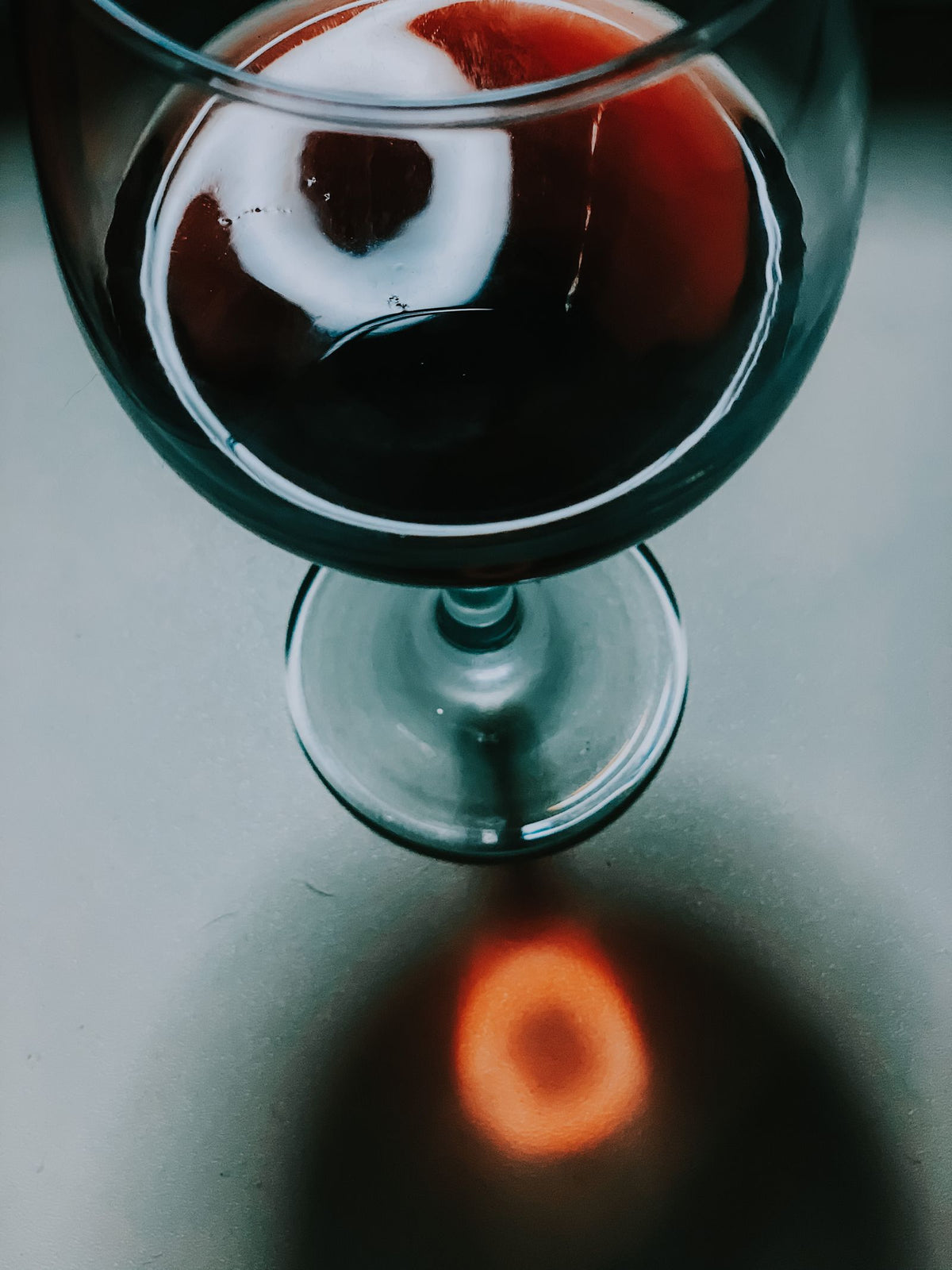
Tannin is a natural compound that comes from grape skins, seeds and stems, and it is the thing that makes your mouth feel dry and slightly grippy after a sip of red wine. Not sour. Not bitter, exactly. Dry, the way strong black tea left steeping too long dries out your tongue.
Almost everyone has felt it. Almost nobody has a word for it. You pour a big red at a Shabbos meal, take a mouthful, and something puckers at the sides of your tongue and the roof of your mouth. That sensation is tannin doing its work, and once you can name it you can start choosing wine on purpose instead of by luck.
Where does tannin in wine come from?
Grapes are pressed, and the juice that runs out is nearly clear no matter what color the skins are. Red wine gets its color, and most of its tannin, because that juice is left sitting with the skins and seeds while it ferments. The longer the contact, the more tannin ends up in the glass.
Two other sources matter:
- Seeds and stems. Both are heavy in tannin. Winemakers who leave stems in are chasing structure and a little green edge.
- Oak barrels. Wood contributes its own tannin. It is why a barrel-aged red can feel firmer than an identical wine raised in steel.
White wines are usually pressed off their skins right away, which is why a glass of white feels crisp and clean rather than grippy. That is the whole difference in one sentence.
What does tannin taste like?
Here is the useful correction: tannin is not a taste at all. It is a texture. Tannin molecules bind to the proteins in your saliva and pull them out of suspension, and your mouth reads that loss of slipperiness as dryness. Sweetness, acidity and alcohol are flavors you taste. Tannin is something you feel.
The everyday comparisons that actually work:
- Black tea steeped four minutes too long
- The skin of a walnut
- An underripe persimmon or banana peel
- Dark chocolate above seventy percent
Which kosher wines are high in tannin, and which are low?
Tannin level tracks the grape more than anything else. Thick-skinned grapes make grippy wine. Thin-skinned grapes make gentle wine.
| Tannin level | Grapes | How it feels |
|---|---|---|
| High | Cabernet Sauvignon, Petit Verdot, Syrah, Nebbiolo | Firm grip, dries the tongue, wants food |
| Medium | Merlot, Malbec, Sangiovese, Cabernet Franc | Present but rounded, easy with a meal |
| Low | Pinot Noir, Gamay, Grenache | Silky, almost no grip, drinks fine alone |
| Very low | Concord and other sweet reds, all whites | No grip at all |
If you want to feel the difference in one evening, open two bottles side by side. A Cabernet like Herzog Lineage Cabernet Sauvignon sits at the firm end of the scale. A Pinot Noir like Barkan Classic Pinot Noir sits near the soft end. Same category on the shelf, two completely different mouths. Ten minutes and two bottles will teach you more than an hour of reading.
In the middle, where most people are happiest, sit the Merlots. Domaine Ventura Merlot is the shape of that middle ground: enough structure to stand up to a roast, not enough to fight you. Browse the full range in our red wine collection, or go straight to the grippy end in Cabernet Sauvignon.
Why does tannin matter for food?
This is the part worth knowing, because it is the entire reason tannic wine exists on a table.
Tannin binds to protein and fat. Put a firm Cabernet next to a fatty piece of brisket and the tannin latches onto the fat, the grip disappears, and the wine suddenly tastes rounder and fruitier than it did on its own. The meat, in turn, tastes cleaner. Each one fixes the other.
Run that backwards and you get the classic mistake. A big tannic red with a light piece of fish or a plain salad has nothing to bind to, so all that grip lands on your tongue instead. The wine reads as harsh, and people conclude they do not like dry red wine. They just drank it at the wrong moment.
The rule that covers most Shabbos tables: the fattier the meat, the more tannin you want.
How do you soften a tannic wine?
Three things work, and they are all free.
- Give it air. Open the bottle thirty to sixty minutes early, or pour into a decanter or a pitcher. Oxygen rounds tannin off noticeably.
- Serve it slightly cool. Warm wine exaggerates both alcohol and grip. Fifteen minutes in the fridge before a meal is often the whole fix. Our guide to whether you should refrigerate red wine goes deeper.
- Serve it with food. The most reliable one. See above.
Age does the same job over years rather than minutes. Tannin molecules gradually link up and drop out of the wine as sediment, which is why an older red feels softer than a young one and why serious Cabernet is built to wait.
Is tannin the reason wine gives some people headaches?
It gets blamed constantly, and the honest answer is that the evidence is thin. Alcohol itself, dehydration and simple quantity explain far more headaches than any compound in the skins. We wrote a fuller answer in why wine gives you a headache, and it is worth reading before you swear off reds.
Frequently asked questions
Does white wine have tannin?
Very little. White grapes are pressed and separated from their skins almost immediately, so the tannin never makes it into the juice. A white aged in oak picks up a small amount from the wood, but nothing close to what you feel in a red.
Is high tannin a sign of a good wine?
No. It is a sign of a certain style. A great Pinot Noir has low tannin and a poorly made Cabernet can be all grip and no fruit. Quality is about balance, whether the tannin is matched by enough fruit and acidity to carry it.
Does tannin mean the wine is dry?
Not quite, though the two travel together. Dry means there is little residual sugar. Tannin is a texture. A wine can be bone dry with almost no tannin, which is exactly what most crisp whites are. Our dry versus sweet wine guide untangles the two.
Why does my mouth feel dry for a while after drinking red wine?
Because tannin stripped protein out of your saliva and your mouth needs a minute to rebuild it. A sip of water resets it faster than anything else.
Which kosher red should I start with if I dislike that dry grip?
Start with a Pinot Noir or a soft Merlot rather than a Cabernet. If you want something gentler still, the semi-sweet reds have effectively no grip at all.
Tannin is not a flaw to avoid. It is the scaffolding that lets a red wine stand next to real food without disappearing. Once you can feel it on purpose, you stop buying wine by the label and start buying it by the meal you are about to eat.