
The Best Red Wines for Beginners
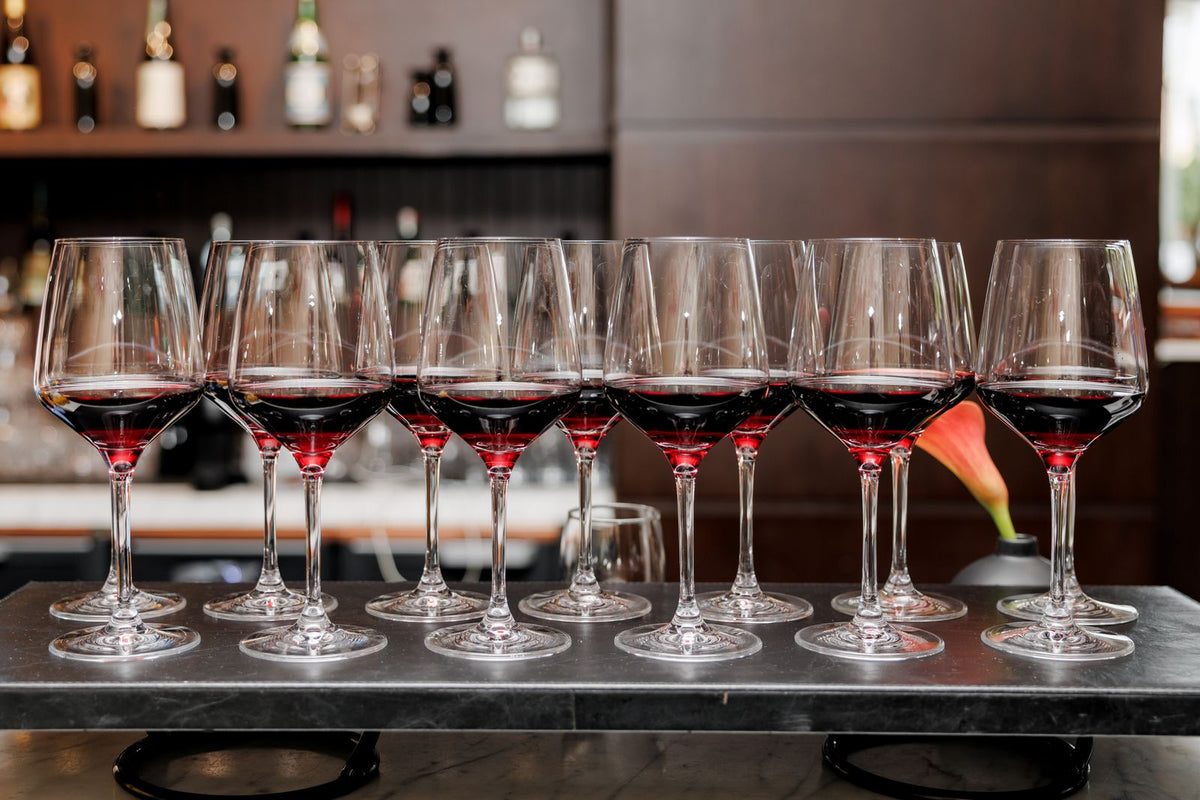
The best red wines for beginners are the soft, fruity, low-tannin ones: Pinot Noir, Merlot and Malbec, in that order. Skip Cabernet Sauvignon at the start. It is the most famous red in the world and the most likely to convince a new drinker that they dislike red wine.
That is the mistake almost everyone makes. Someone new to wine reaches for the name they recognize, pours a big tannic Cabernet without food, feels their tongue go dry, and quietly decides reds are not for them. The wine was fine. The introduction was wrong.
What makes a red wine easy to drink?
Three things, and one of them matters far more than the other two.
- Low tannin. Tannin is the compound from grape skins and seeds that makes your mouth feel dry and grippy. It is the single most common reason people bounce off red wine. Our explainer on what tannin is covers it properly.
- Fruit-forward flavor. Wines that lead with cherry, plum and berry rather than earth, tobacco and leather.
- Moderate body. Something that feels like juice rather than syrup.
Notice what is not on that list: price. A gentle red at $15 is a far better introduction than a structured one at $50. The expensive bottle is not better for you yet. It is built for a palate that has already done some work.
The three grapes to start with
| Grape | Tannin | Tastes like | Start here if |
|---|---|---|---|
| Pinot Noir | Low | Red cherry, raspberry, a little earth | You want the gentlest possible red |
| Merlot | Medium-low | Plum, black cherry, soft and round | You want something with a bit more body |
| Malbec | Medium | Dark plum, blackberry, smooth finish | You want dark and rich without the grip |
Five kosher reds to actually start with
The gentlest: Pinot Noir
Barkan Classic Pinot Noir at $14.99 is where we send most people first. Light, low in tannin, no sharp edges to negotiate. Herzog Lineage Pinot Noir at $19.99 is the small step up. More in our Pinot Noir collection.
The crowd-pleaser: Malbec
Teperberg Vision Malbec at $14.99 is dark and smooth in a way that reads as "real red wine" to a beginner without punishing them for it. It is the bottle that most often gets a second glass poured.
The safe middle: Merlot
Metzuda Merlot SATAF Dry at $29.99 has more weight than the Pinot Noir while keeping the softness. If you would rather start cheaper, our whole Merlot collection is worth a scroll, because this grape is the definition of a forgiving red.
If dry is still too much: start sweet
There is no shame in this, and it is how a large share of people find their way in. Rashi Joyvin Red at $12.28 is light and semi-sweet with effectively no grip at all. Start there, drink it for a few months, then try a Pinot Noir and notice how much less foreign it feels. Sweetness is a doorway, not a destination, and it is a perfectly good one.
Everything above lives inside our red wine collection, which is worth browsing by price rather than by name at this stage.
Which reds should a beginner avoid at first?
Not forever. Just not first.
- Cabernet Sauvignon. High tannin, built to be drunk with fatty meat. Come back to it in a few months, with a steak.
- Syrah and Shiraz. Bold, peppery, often high in alcohol. A lot of wine at once.
- Anything described as "big", "structured" or "age-worthy". All three are code for tannin that has not settled down yet.
- Expensive bottles generally. Serious wine is often serious because it is complex and demanding. That is the opposite of what you need right now.
Four things that make any red taste better
Half of what people dislike about red wine is a serving problem, not a wine problem.
- Serve it slightly cool. "Room temperature" comes from European stone houses, not American apartments. Fifteen to twenty minutes in the refrigerator makes almost any red taste fresher and less alcoholic. See our take on refrigerating red wine.
- Give it air. Open the bottle half an hour early, or pour it into a pitcher and back. Young reds soften noticeably.
- Drink it with food. Tannin binds to fat and protein. The exact same wine that felt harsh alone will feel round next to a piece of chicken.
- Use a bigger glass and pour less. Five ounces in a large bowl gives the wine room to open. Filling a small glass to the rim does the opposite.
How to build a palate without spending much
Buy two bottles at a time, not one. Open a Pinot Noir and a Malbec on the same evening and pour a small glass of each. The comparison teaches you more in ten minutes than six months of drinking one bottle at a time, because your palate learns by contrast, not by memory.
Then write down one word about each. Not a tasting note, just a word. Grippy. Sweet. Sharp. Smooth. Three months of that and you will know what you like well enough to walk into any wine list and order confidently.
Frequently asked questions
What is the easiest red wine to drink?
Pinot Noir, by a comfortable margin. It has the lowest tannin of the major red grapes, which means it does not dry your mouth out, and its light body makes it drinkable without food.
Should a beginner start with sweet or dry red wine?
Either works, but be honest about which you actually enjoy. Starting sweet is not a lesser path, it is just a different starting point. Our dry versus sweet guide explains what the labels really mean.
How much should a beginner spend on red wine?
Between $12 and $25. Below that, quality gets unreliable. Above it, you are paying for complexity you cannot use yet. Our roundup of the best kosher wine under $20 is built for exactly this range.
Why does red wine taste bitter to me?
Most likely it is tannin being read as bitterness, and most likely you drank it without food or too warm. Try the same bottle slightly chilled alongside a meal and see whether your opinion changes.
Is Merlot or Pinot Noir better for a beginner?
Pinot Noir if you want the lightest possible entry. Merlot if you want something with more body that still will not grip. Both are correct answers and they cost about the same.
Does red wine get better as you drink more of it?
Your enjoyment does. Palates adapt fast, and wines that taste harsh in month one often taste balanced by month six. Give the category a fair run before you decide.
Pick up a Pinot Noir and a Malbec this week, chill them for twenty minutes, and open both with dinner. Whichever glass empties first is your answer.