
Binyamina Winery: The Cave, The Chosen, Reserve and Yogev Explained
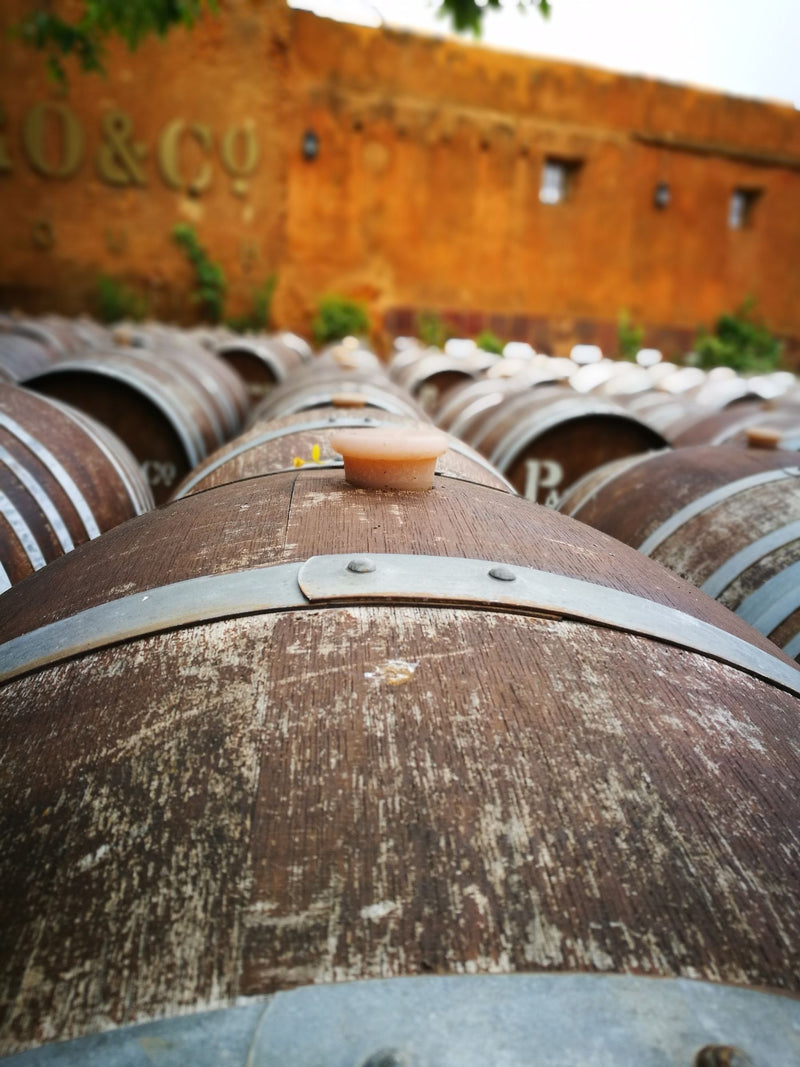
Binyamina is one of Israel's oldest working wineries, founded in 1952 in the foothills of Mount Carmel, and the bottle most people arrive looking for is called The Cave. We carry eleven Binyamina bottles between $18.99 and $229.99, and the range names are tiers, not flavors.
From the bottom up: Yogev, Reserve, The Chosen, and The Cave. Once you know which rung a label sits on, the whole shelf reads itself.
Where the wine comes from
The winery sits in the town of Binyamina on the Carmel coast, but most of the fruit does not. The good parcels are inland and higher up, in the Upper Galilee and the Golan, where the nights get cold enough to hold acid in the grape and firm up the tannin.
That is the standard Israeli quality move, and it is why a bottle can say Carmel Coast on the winery address and Galilee on the fruit. We mapped out which Israeli regions do what in the Israeli wine regions guide.
Yogev, the everyday tier, $18.99 to $21.99
Yogev means farmer, and it is the entry range: four blends and varietals built for a Tuesday rather than a Yom Tov. Three of the four are mevushal, which is the practical reason this tier shows up at so many catered events.
- Yogev Cabernet Shiraz, $18.99. The crowd-pleaser. Blackberry, black pepper and dark plum, medium-bodied with a peppery edge. Mevushal.
- Yogev Cabernet / Petit Verdot, $18.99. An 80/20 blend where the Petit Verdot adds color and spice. Violet, plum, cassis, tobacco and leather, denser than the price suggests.
- Yogev Cabernet Sauvignon, $19.99. The straight varietal. Black currant, dark cherry, soft tannin, clean fruit-driven finish. Mevushal.
- Yogev Cabernet / Merlot, $21.99. The Bordeaux template with Israeli sun. Violets and espresso bean, prune and wild berry, with a savory earthy close rather than a fruit bomb.
If mevushal matters for your table, the Cab Shiraz and the straight Cabernet are the two to reach for. We explain what the term actually changes in mevushal vs non-mevushal.
Reserve, the step up, $26.99
Reserve is where the barrel time gets longer and the fruit gets more concentrated. Two bottles, both at $26.99, and they are the best value on the Binyamina shelf.
Reserve Cabernet Sauvignon is French-oak aged and full-bodied: black currant, cedar and dark chocolate, with firm oak-spiced tannin and a long structured finish. Decant it half an hour. It is a Saturday-night Cab for grilled meat.
Reserve Merlot is the softer of the pair and the more useful one, because it is mevushal under OU at reserve quality, which is a rarer combination than it sounds. Crushed black cherry and ripe plum with cocoa and toasted brioche, silky through the middle, closing savory with cedar and dark chocolate.
For a Friday-night brisket, the Reserve Merlot is the bottle. It is also the one that survives a waiter pouring it at a simcha.
The Chosen, the gift tier, $50.00 to $149.99
The Chosen series names each wine for a stone in the High Priest's breastplate, and the bottles come in their own boxes. This is the tier you buy when you are walking into somebody's house.
Chosen Tarshish Aquamarine, $50.00, is the Cabernet Sauvignon. Galilee and Golan fruit, 16 months in French oak and roughly another year in the cellar. Blackberry, cassis and vanilla with cedar and dark chocolate, full-bodied and polished, finishing long with dark fruit first and espresso after. It comes in a black gift box, so it needs no wrapping.
Chosen Diamond, $149.99, is the flagship of the tier: a Bordeaux-style blend of 58% Cabernet Sauvignon, 16% Syrah, 14% Merlot and 12% Petit Verdot, aged 20 months in oak. Ripe blackberry, cassis, sweet oak and a hint of cocoa, full-bodied and layered with firm polished tannins.
Diamond is mevushal, and that is the unusual thing about it. A reserve-tier structure that still holds up after boiling is rare at any price, which is why it turns up at the head of tables where the wine has to pass through a lot of hands.
The Cave, the flagship, $114.99 and $229.99
The name is literal. Binyamina's original cellar was a 250-year-old cave quarried into the Carmel Mountains, and the winery named its top wine after it.
The Cave, $114.99, is a Bordeaux-style blend of 65% Cabernet Sauvignon, 33% Merlot and 2% Petit Verdot from select Upper Galilee vineyards, aged 24 months in French oak. Cassis, black plum and cedar shavings on the nose with a thread of oak vanilla. Full-bodied blackcurrant and dark cherry layered with cocoa and tobacco leaf, over Bordeaux-style tannin. It rewards a decant.
The Cave Old Vines, $229.99, comes from the parcels with the deepest roots and the lowest yields, and ships in a wooden box. Blackberry, ripe plum and black cherry over an earthy floor of forest and clove. Full and layered, with sweet oak, tar and bright acid framing powerful tannin, and a finish that hints at another decade in the cellar.
Neither Cave is mevushal. These are bottles for a table where somebody opens the wine and pours it themselves.
The one that is not wine
Binyamina Triple Sec, $29.99, is the orange liqueur that makes a margarita a margarita, and it is kosher for Passover under OU-P. That is why it appears in so many kitchens in April. Sweet and bitter orange peel, 27% alcohol, a bar staple rather than a sipping bottle.
Which Binyamina to buy
- Weeknight, or a case for a kiddush: Yogev Cabernet Shiraz at $18.99, mevushal and friendly.
- Best value on the shelf: Reserve Merlot at $26.99. Reserve quality and mevushal under OU.
- A present, under $60: Chosen Tarshish Aquamarine at $50.00, already in its box.
- The serious bottle: The Cave at $114.99. This is the one people are searching for.
- A milestone: The Cave Old Vines at $229.99, in the wooden box.
The whole range sits together on our Binyamina shelf. If you are comparing it against the rest of the country, start with the best Israeli red wine, and the kosher wine brands guide places Binyamina against the other big houses.
Free shipping on orders $150+ in the lower 48.