
The Best Israeli Red Wines
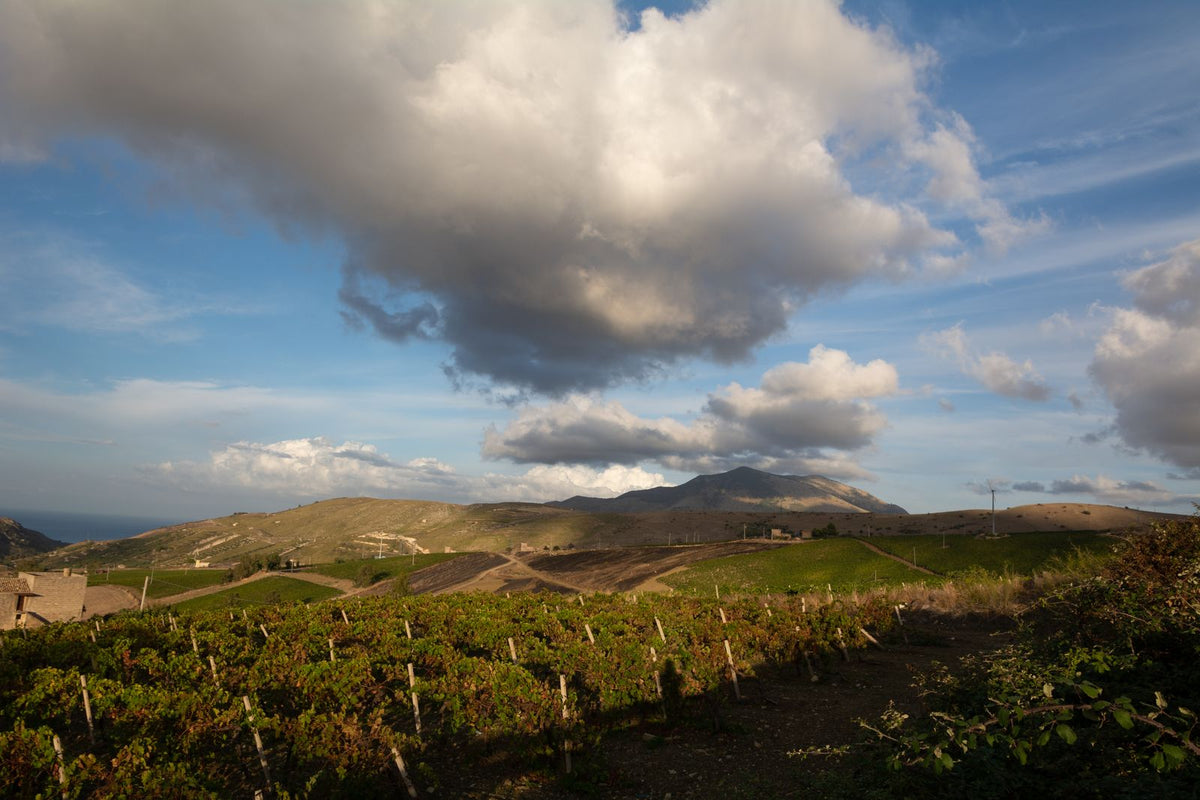
Israeli red is the part of our shop that surprises people. Somebody expects one shelf of sweet ceremonial wine and finds four hundred dry reds, half of them from vineyards planted on limestone at two thousand feet. Almost everything Israel makes is kosher, which means the country is one of the few places on earth where the kosher drinker gets the whole range rather than a corner of it.
Shop the bottles: see every bottle in Kosher Israeli Wine.
This is a buying guide, not a history lesson. Below is what the main growing areas actually taste like, and then real bottles at real prices, sorted by what you are likely to spend.
Where the wine comes from, and why it matters
Israel is small enough to drive across in a few hours and varied enough that the wine changes completely as you go. Four areas do most of the work.
The Upper Galilee and the Golan sit high and cold, with volcanic soil in the Golan and long cool nights. That combination keeps acidity in the grape, so the reds come out firm and structured rather than jammy. This is where Israel's Cabernet Sauvignon is at its most European in feel.
The Judean Hills, west of Jerusalem, are terraced limestone and rock. Wines from here tend to be more perfumed and more mineral, with red fruit rather than black, and they age well. Most of the country's small ambitious wineries are here.
The Shomron, around Mount Carmel and Zichron Ya'akov, is the historic heart of Israeli wine and the warmest of the classic zones. Reds here are rounder and softer, which is why so many everyday bottles come from it.
The Negev is desert farming, drip irrigation and stubbornness. The wines are ripe and generous, and often better value than the address suggests.
If you want the full picture of the map, we wrote it up in our guide to Israeli wine regions.
Under twenty dollars: the weeknight shelf
This is where most Israeli wine is actually bought, and the quality at this price has moved a long way in ten years.
Barkan Classic Cabernet Sauvignon at around thirteen dollars is the default Israeli red for a lot of families, and there is nothing wrong with that. It is soft, blackcurranty and easy, and it does not need decanting or thinking about. Barkan Classic Merlot is the same idea with the edges rounded off further.
Dalton Canaan Red at about sixteen dollars is a step up in interest. Dalton farm in the Upper Galilee and the Canaan is their entry blend, with more red fruit and a bit of grip. Recanati Yasmin Red around fifteen dollars is the same class of bottle from the Shomron, and it is the one we hand people who say they want something dry but not heavy.
Yarden Mount Hermon Red at roughly seventeen dollars is a Golan blend and probably the best-known cheap Israeli red there is. It is fresher than most bottles at the price because of where it is grown. More on that producer in our Yarden guide.
Also worth knowing: Teperberg Vision Cabernet Sauvignon at fifteen dollars, Segal Fusion Red Blend at seventeen, and Carmel Selected Merlot at fourteen. The full Carmel red range is the oldest name in Israeli wine and still the most widely poured.
Twenty to forty dollars: where it gets interesting
Spend another ten dollars and the wine stops being pleasant and starts having a point of view.
Psagot Sinai at about twenty eight dollars is a Judean Hills blend with real structure, and Psagot is the winery that convinced a lot of people that the hills around Jerusalem were serious. Domaine du Castel La Vie Rouge at thirty dollars is the second wine of Israel's most famous estate and the cheapest honest way to find out what Castel does.
Dalton Estate Cabernet Sauvignon M-Series at twenty three dollars and Tabor Adama Cabernet Sauvignon at twenty are both single-vineyard-minded wines at supermarket money. Shiloh Privilege at twenty nine is richer and more American in style, with oak you can taste.
Gilgal Syrah at twenty three is the one to try if you are bored of Cabernet. Syrah does very well on volcanic Golan soil, all pepper and dark fruit; the difference between Syrah and Shiraz is covered in our piece on the two names.
And Teperberg Essence Malbec at forty dollars is one of the most looked-at bottles on this site. Israeli Malbec is a small category and this is the flag-bearer; if the grape is new to you, start with what Malbec actually is.
Forty to seventy five: the good stuff
Psagot Cabernet Sauvignon at forty and Psagot Edom at fifty are the pair that made the winery's name. Edom is the blend and the more complete wine of the two.
Netofa Latour Red at thirty six is a different school entirely. Netofa work in the Lower Galilee with Mediterranean grapes rather than Bordeaux ones, and the wines taste more southern French than Napa. Netofa Tel Qasser Red at fifty and Netofa Matzpen GSM at sixty carry it further.
Flam Classico at forty nine is a Judean Hills benchmark and the wine we most often open to show somebody what Israel can do. The rest of the Flam range is worth the detour. Yarden Cabernet Sauvignon at forty eight is the Golan answer, firmer and cooler.
Covenant Red C Cabernet Sauvignon at forty four and Covenant Israel Syrah at seventy five come from a Californian winemaker working in Israel, and they taste like it in the best way. Hevron Heights Isaac's Ram Cabernet Sauvignon at forty eight is the big-shouldered option.
Recanati Special Reserve Red at seventy is the top of that house and a wine that rewards a few years lying down.
The bottles you buy for an occasion
Domaine du Castel Grand Vin at around a hundred and thirteen dollars is, for many people, the Israeli wine. It is a Bordeaux blend from the Judean Hills, it has been made to the same standard for thirty years, and it is the bottle to bring when you want the host to notice.
Yatir Forest at a hundred and fifty is its equal and its opposite: grown on the edge of the Negev in a planted forest, dense and dark, and unlike anything else in the country.
Tulip Winery Black Tulip at seventy two and Binyamina The Cave at a hundred and fifteen round out the shelf. Any of these four is a gift that lands.
If you want it sweeter
Plenty of people looking for Israeli red are not looking for dry, and there is no reason to pretend otherwise. Psagot De'Vine Semi-Sweet Red at thirty dollars is the serious end of sweet. 1848 Generations Semi-Sweet Cabernet Sauvignon at twenty two, Mony Vineyard Wave Semi-Sweet Red at eighteen and Zmora Cabernet Sauvignon Semi Sweet at thirteen are the everyday versions. Our semi-sweet red guide goes wider than Israel.
What to eat with it
Israeli reds are built for meat and for a table with a lot of things on it. The bigger Cabernets want lamb, brisket or anything off a grill. The Galilee blends and the Netofa wines handle chicken, rice and vegetables far better than a heavy Cabernet does, which makes them the safer Shabbos bottle when the menu is mixed. Our notes on wine with meat and wine with steak go into it properly.
One practical thing worth knowing: many Israeli wines come in both mevushal and non-mevushal versions, and the label will say. If the wine is going to be poured by somebody outside the family, that matters. We explain the difference in mevushal versus non-mevushal.
Where to start
If you have never bought an Israeli red before, buy the Yarden Mount Hermon and the Dalton Canaan and drink them a week apart. They cost about the same and taste nothing alike, and the difference will tell you which direction to go next. From there the whole Israeli red wine range is open, and the Dalton, Barkan and Shiloh shelves are the easiest ones to work through winery by winery.
Ready to pick one? Browse Kosher Israeli Wine.