
Yarden Wines: A Guide to the Golan Heights Range
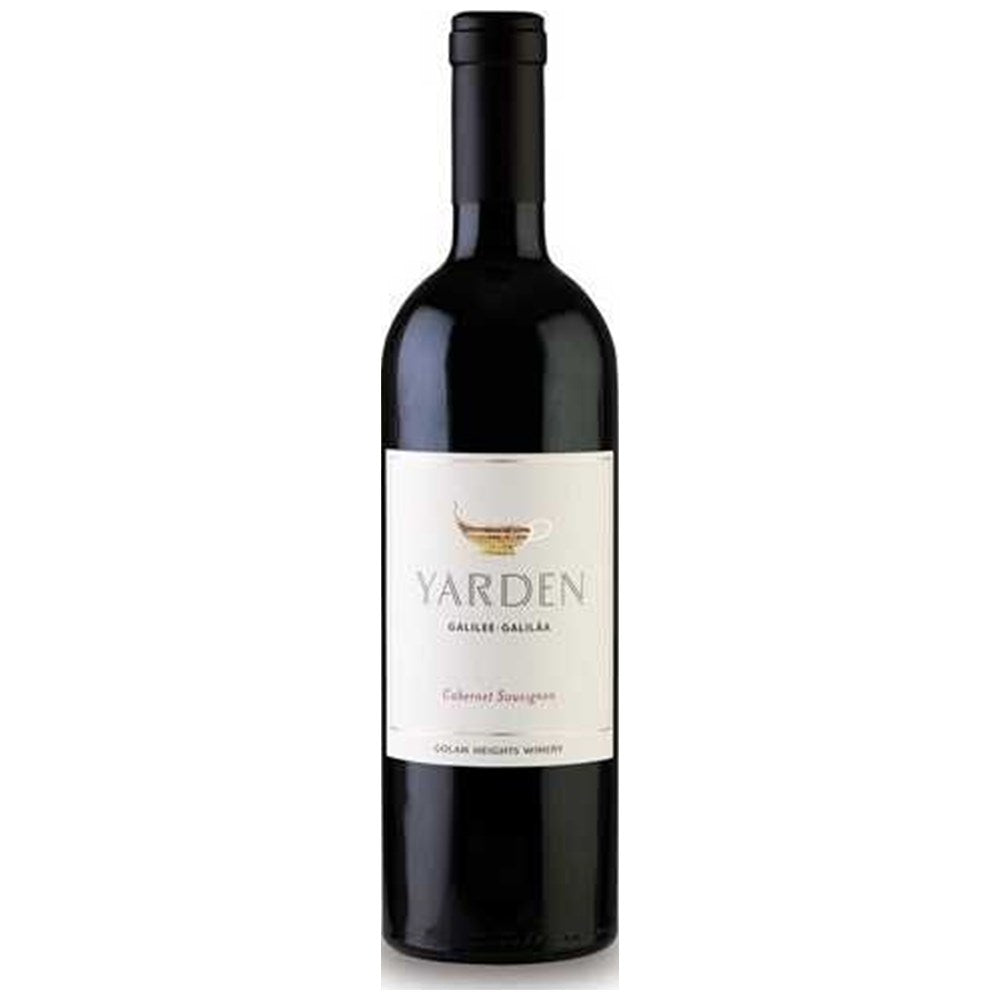
Yarden is the flagship label of Golan Heights Winery, and it is the range that convinced the wine world Israel could make serious wine. Everything under the name comes from high-elevation vineyards on volcanic basalt in the Golan, which is the coolest serious wine country Israel has.
The story starts in 1983, which in wine terms is yesterday. Before that, Israeli wine was mostly sweet and mostly sacramental. A group of growers planted classic European varieties on cold, rocky ground in the north, hired serious winemaking talent, and started sending bottles to international competitions. The medals came back. Everything since has followed from that.
Why does the Golan Heights make better wine?
Altitude and rock.
The vineyards sit high, which means cold nights. Cold nights let grapes hold onto their acidity while the sun builds ripeness during the day, and that gap between day and night temperature is what gives wine freshness and structure instead of just sweetness and alcohol. Most of Israel is too warm for this. The Golan is not.
The soil is volcanic basalt, well drained and stony, which stresses the vines in the way vines like to be stressed. Small berries, concentrated fruit, and a faint mineral edge that runs through the whole range.
How the Golan Heights Winery tiers work
| Tier | What it is | Roughly |
|---|---|---|
| Mount Hermon | The entry blends, made for the everyday table | $15 to $18 |
| Gilgal | Single variety, honest value, a step up in structure | $22 to $24 |
| Yarden | The flagship. Estate fruit, real oak, the serious range | $32 to $70 |
| Yarden Katzrin | The top of the house, made only in the best years | $280 |
Understanding that ladder is most of what you need. When someone says "a Yarden," they usually mean the middle tier, and that is where the range does its best work.
Where to start in the Yarden range
If you want one bottle that explains the whole project, take Yarden Syrah. It is dark and peppery with a savory, almost smoky lift that you simply do not get from warm-climate Israeli reds, and it makes the altitude argument better than any tasting note can.
Yarden Cabernet Sauvignon is the benchmark bottle, the one that shows up on lists and in comparisons, structured and firmly tannic with cassis and cedar. It is a wine that wants food and a little time in the glass. Yarden Merlot is its softer counterpart, rounder and plummier, and the better pick when you are pouring for people who find big Cabernet hard work.
For something with no obvious counterpart elsewhere, Yarden 2T blends Tannat and Touriga Nacional, two grapes borrowed from southwest France and Portugal, and the result is dense and dark and unlike anything else on a kosher shelf.
The whites and the sparkling
This is where Yarden quietly outperforms its reputation.
Yarden Chardonnay is barrel fermented and properly built, closer to Burgundy in shape than to the buttery California style, and it ages better than most people expect. Yarden Gewurztraminer is the aromatic one, all lychee and rose petal and a touch of sweetness, and it is the bottle to reach for with anything spicy or with a cheese board.
The sparkling wines are the real hidden strength. Yarden Blanc de Blancs and Yarden Brut Rosé are both made by the traditional method, meaning the second fermentation happens in the bottle exactly as it does in Champagne, and they carry that fine, persistent bead and bready depth that tank-fermented sparklers never quite reach. If you have been serving Prosecco at simchas out of habit, these are the upgrade.
What about Mount Hermon and Gilgal?
Do not skip them. They are the same team and the same fruit sources, made in a simpler style at a much lower price.
Yarden Mount Hermon Red is one of the most poured bottles on any Shabbos table in America, and deservedly so. Gilgal Cabernet Sauvignon sits in between, giving you real Cabernet character for close to twenty dollars, which is a genuinely hard thing to find.
Which Yarden for which occasion
- A big Shabbos table. Mount Hermon Red, by the case.
- Dinner with people who know wine. Yarden Cabernet Sauvignon or Syrah.
- A gift. Yarden Brut Rosé. It looks like an occasion and it costs less than most gift wine.
- A chuppah or a big simcha. Blanc de Blancs, and buy more than you think.
- Something to put away for a few years. Yarden Katzrin, if the year is right.
The full range is on the Yarden collection, and there is more Israeli wine worth your attention across the kosher wine collection. If you want the geography behind all of this, our guide to Israeli wine regions maps out where the Golan sits relative to everything else.
Frequently asked questions
Is Yarden the same as Golan Heights Winery?
Yarden is the winery's flagship brand, not a separate company. Golan Heights Winery produces Yarden, Gilgal and Mount Hermon, all from the same operation in Katzrin.
What is Yarden Katzrin?
The top wine of the house, produced only in vintages the winery judges strong enough to warrant it. It is priced accordingly and built to age for many years.
Is Yarden wine mevushal?
It varies by bottling, so check the specific product page or the label rather than assuming either way. If mevushal status matters for your event, confirm before you buy.
How long should I age a Yarden red?
The Cabernet and the flagship blends will typically reward three to eight years in a cool dark place, and the top wines considerably longer. Mount Hermon and Gilgal are made to drink now.
What should I serve Yarden Chardonnay with?
Roast chicken, salmon, anything with cream or butter in it. Serve it around 50 degrees rather than ice cold, since a barrel-fermented Chardonnay loses most of its texture when it is too chilled.
Start with the Syrah. If it lands, the rest of the range is waiting, and the ladder up is a short one.