
What Is Malbec? Argentina's Big, Soft Red
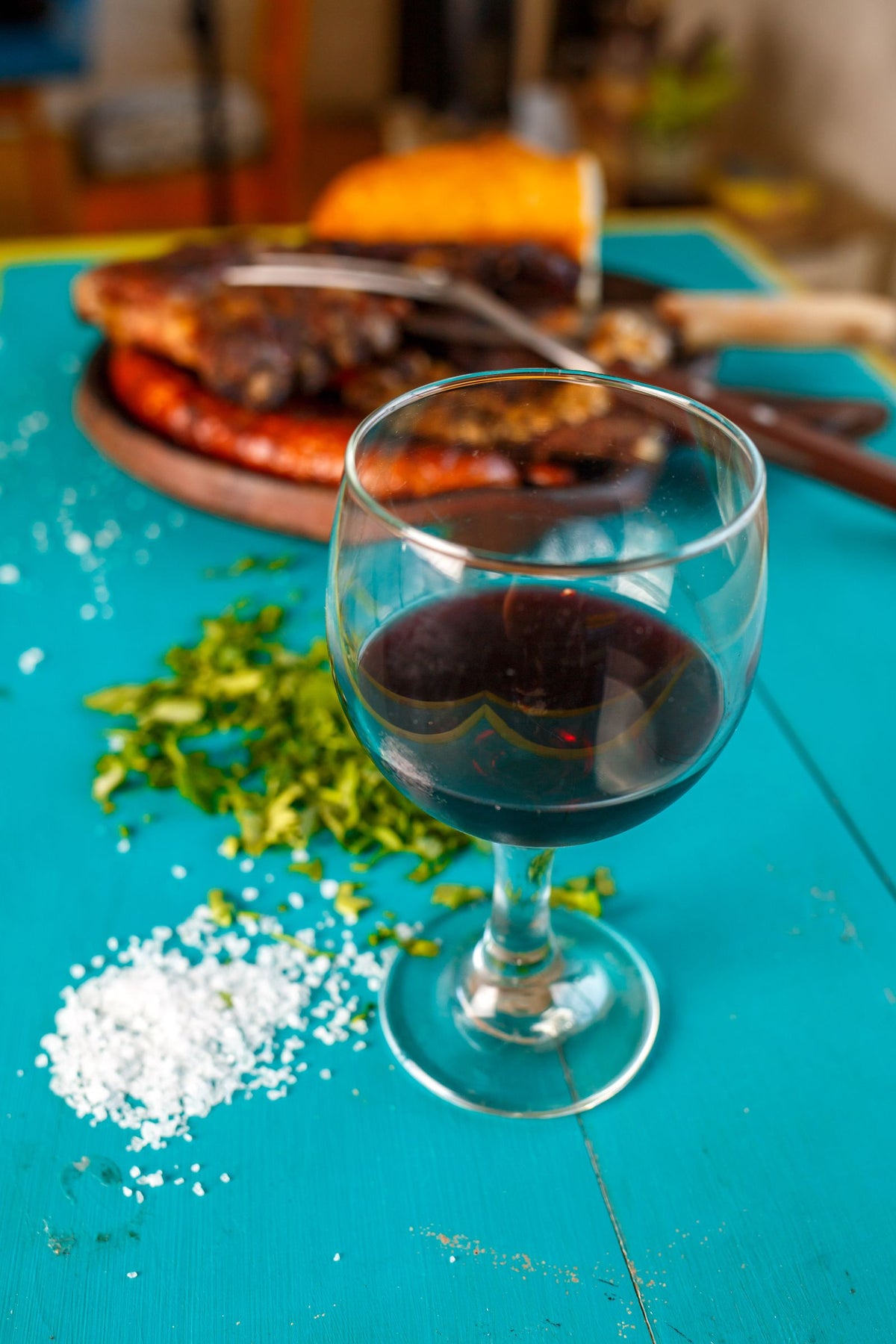
Malbec is a dark-skinned red grape, French by birth and Argentine by adoption, that makes deeply colored wines full of plum and blackberry with unusually soft tannins for how big they taste. That last part is the whole appeal. It drinks rich without drinking harsh, which is why it converted so many people who thought they did not like red wine.
Pour a glass and hold it against a white tablecloth. Most reds show a ruby rim. Malbec shows purple, almost ink at the center, the kind of color that stains a glass. Then you taste it and expect a wall of tannin to arrive, and it does not. It is round. That gap between how it looks and how it feels is the reason Malbec went from an obscure French blending grape to one of the most ordered reds in America.
Where does Malbec come from?
France, originally. Malbec was one of the permitted grapes in the Bordeaux blend and the dominant grape of Cahors in the southwest, where it made wines dark enough to earn the nickname the black wine. Then disease and a series of hard frosts through the twentieth century knocked it back, and French growers largely replanted with something else.
By that point cuttings had already crossed the Atlantic. Argentina planted Malbec in the nineteenth century and discovered something the French never had: the grape does its best work at altitude. Mendoza's vineyards sit thousands of feet up against the Andes, where intense sun ripens the fruit fully while cold nights keep the acidity intact. That combination is why Argentine Malbec tastes both plush and fresh, which is a hard trick for any grape.
Cahors versus Mendoza, in one line each
French Malbec from Cahors leans firmer, earthier, more structured. Argentine Malbec leans juicier, softer, more openly fruity. Neither is the correct version. They are two different arguments about the same grape, and most people drinking Malbec today are drinking the Argentine argument.
What does Malbec taste like?
Dark plum and blackberry, a note of cocoa where there has been oak, and often a floral lift that gets described as violets. The tannins are present but rounded, sanded down rather than gripping. The finish is usually generous rather than long.
Wild Goat Malbec is the cleanest introduction to all of that, and it is cheap enough to buy on a whim. It is not complicated. It is just correct: dark fruit, soft edges, nothing to figure out.
How Malbec compares to the reds you already know
| Grape | Tannin | Body | Signature flavor | If you like it, try |
|---|---|---|---|---|
| Malbec | Soft to medium | Full | Plum, blackberry, violet | Syrah |
| Cabernet Sauvignon | High, gripping | Full | Blackcurrant, cedar | Malbec, for something gentler |
| Merlot | Medium, plush | Medium to full | Red plum, chocolate | Malbec, for more color and depth |
| Pinot Noir | Low | Light | Red cherry, earth | Nothing here, different planet |
The short version: Malbec gives you the weight of Cabernet without the tannic grip. If someone at your table says reds are too harsh, this is the bottle that changes their mind. We compared the big three in more detail in Cabernet vs Merlot vs Pinot Noir.
What do you serve with Malbec?
Argentina answered this question a century ago and the answer was beef. Grilled steak, short ribs, anything with char on the outside. The soft tannins do not fight fatty meat, they lean into it, and the smoke on the grill picks up the dark fruit.
For a Jewish table that translates directly. Brisket, cholent, grilled lamb, a Sunday barbecue. It is also forgiving with anything sweet in the sauce, which most brisket recipes have, and that is not true of a big Cabernet.
Serve it slightly below room temperature, around sixty to sixty five degrees. Twenty minutes in the refrigerator before the meal is enough. A Malbec served genuinely warm tastes flabby and loses the freshness that the altitude put there in the first place.
Which kosher Malbec should you buy?
The grape is unusually consistent across price points, which makes this an easy category to shop.
- Wild Goat Malbec. The house pour. Buy it by the case and stop thinking about it.
- Around $20: Guillermo de Mendoza Malbec Reserve or Herzog Lineage Malbec. More concentration, more oak, a real middle to the wine.
- Around $30: Flechas De Los Andes Gran Malbec, whose name points straight at the Andes, and Mony Reserve Malbec. These are the ones to put out for guests.
- Puzzle Malbec, for when the meal is the point of the evening.
If you want to see how that ladder compares to the rest of the wine shelf, our kosher wine price guide lays out where the real jumps happen.
Frequently asked questions
Is Malbec sweet or dry?
Dry. Malbec tastes fruity and full, which people sometimes read as sweetness, but there is essentially no residual sugar in a standard Malbec. The impression of sweetness comes from ripe dark fruit and soft tannins.
Is Malbec a heavy wine?
It is full bodied, yes, but it is not a difficult wine. The tannins are soft, which makes it feel considerably easier to drink than a Cabernet Sauvignon of the same weight.
What is the difference between Malbec and Cabernet Sauvignon?
Both are full bodied and deeply colored, but Cabernet carries much firmer, more gripping tannins and leans toward blackcurrant and cedar. Malbec is rounder and leans toward plum, blackberry and a floral note.
Is Malbec from Argentina or France?
Both. The grape originated in France and remains the signature of Cahors, but Argentina grows the overwhelming majority of it today and defined the modern style.
What temperature should Malbec be served at?
Slightly below room temperature, roughly sixty to sixty five degrees. About twenty minutes in the refrigerator before serving does the job.
Buy the twelve dollar bottle first. If it disappears faster than you expected, and it usually does, move up a tier and see what the extra eight dollars bought you. The rest of the red wine shelf will still be there when you are ready.