
How Much Is a Bottle of Wine? A Kosher Price Guide
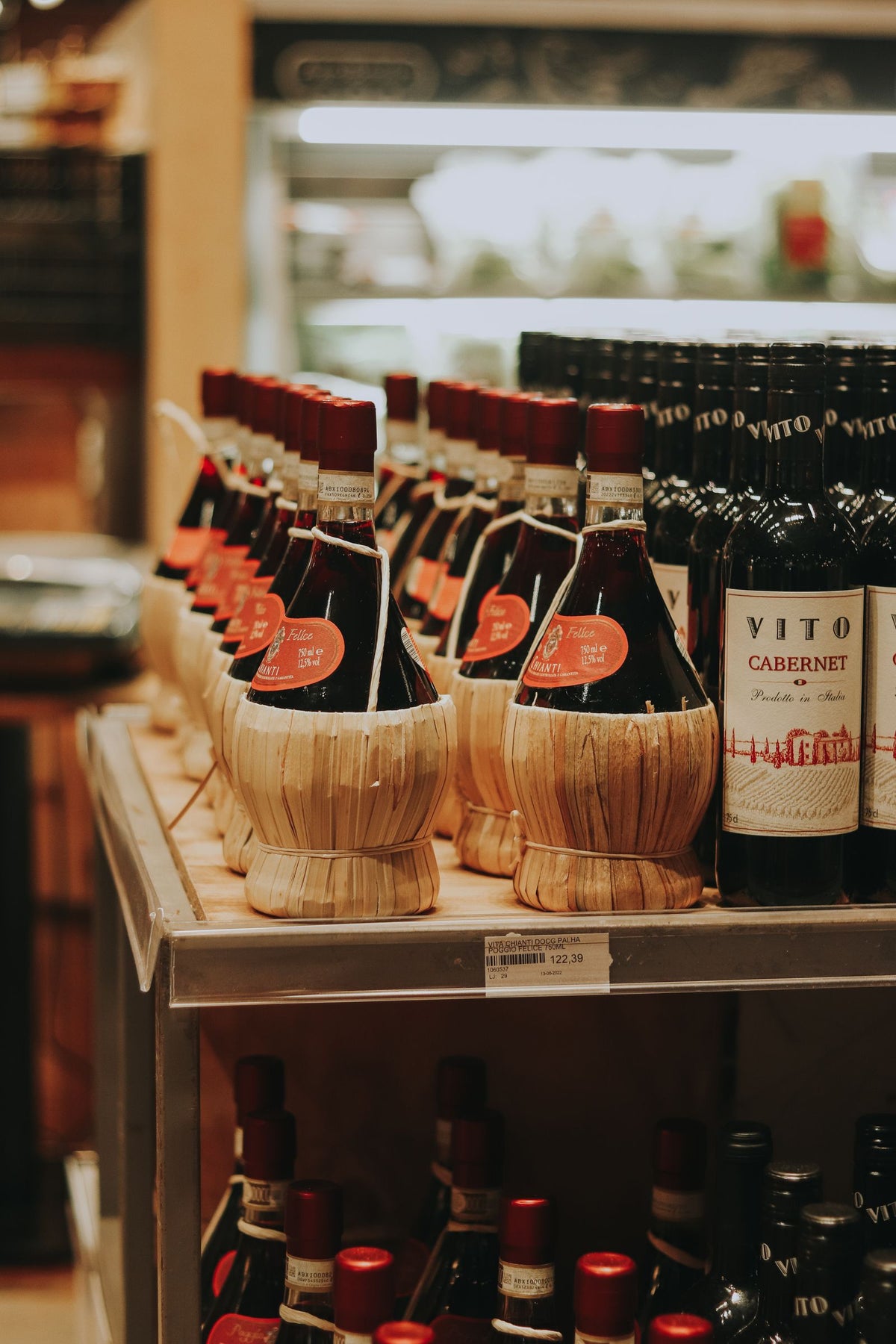
A bottle of kosher wine runs from about $8 to about $100, and the overwhelming majority of people land between $13 and $30. The useful question is not what wine costs. It is where along that line the quality actually jumps, because it does not climb smoothly. It climbs in two steps and then flattens out.
Stand in front of a wall of bottles and the prices look arbitrary. Eight dollars here, thirty there, ninety on the top shelf, and no obvious reason for any of it. There is a reason, and it is mostly about farming. What you are paying for as the number climbs is lower yields, older vines, better sites, and more time in oak. Those things are real, but they do not deliver value evenly.
What does a bottle of wine cost, by tier?
| Price band | What you are getting | Good for |
|---|---|---|
| Under $10 | Sweet Concord, simple table wine | Kiddush, big crowds, nostalgia |
| $10 to $15 | Real varietal character, honest winemaking | The weeknight and Shabbos default |
| $15 to $30 | Better fruit, some oak, actual complexity | Guests, gifts, a meal you care about |
| $30 to $60 | Single sites, longer aging, serious reds | Yom tov, milestone dinners |
| $60 and up | Scarcity, prestige, Champagne | Gifts and celebrations |
Under $10: the workhorse shelf
This is where Concord lives, and Concord is not trying to be Bordeaux. Kedem Burgundy Royale Dry at $7.69 and Rashi Light Red Concord at $7.99 do a specific job extremely well: they fill a lot of cups, cheaply, in a flavor that a large number of people grew up on and genuinely prefer.
Buying at this tier is not a compromise if the occasion is a shul kiddush for eighty people. It is a compromise if it is Friday night and there are four of you.
$10 to $15: the first real jump
This is the biggest single leap in the entire price ladder, and it costs about five dollars. Cross from under ten into the low teens and you stop drinking generic sweet red and start drinking actual grape varieties made with actual intent.
Wild Goat Malbec at $11.99 tastes like Malbec, plush and dark and soft on the finish. Barkan Classic Pinot Noir at $12.99 tastes like Pinot Noir, tart and light-footed. Baron Herzog Jeunesse Cabernet Sauvignon at $13.49 is the everyday Cabernet a lot of houses simply keep on hand.
If you take one thing from this guide, take this: almost nobody should be buying below this tier for a normal Shabbos table. The five dollars buys more than any five dollars further up the ladder ever will.
$15 to $30: the sweet spot
Somewhere around twenty dollars the wine starts having a second act. There is a middle to it, and a finish that lasts past the swallow. Herzog Lineage Malbec at $19.99 and Guillermo de Mendoza Malbec Reserve at $19.99 are both good demonstrations of what an extra seven dollars over the entry tier buys.
Push to the high twenties and you get real structure. Mony Reserve Malbec and Flechas De Los Andes Gran Malbec both sit at $29.99, and both are the kind of bottle you can put in front of someone who knows wine without explaining yourself.
This band is where most thoughtful buying happens, and for good reason. It is the last place on the ladder where every additional dollar reliably shows up in the glass.
$30 to $60: the serious shelf
Above thirty, you are paying for specificity. A particular vineyard, a particular slope, longer time in barrel. Herzog Special Reserve Quartet at $36.99 and Yatir Mt. Amasa Blend at $50.99 are both bottles with a point of view, made by people who could have made something cheaper and chose not to.
The returns here are real but they are no longer steep. A $50 bottle is not four times better than a $13 bottle. It is a different experience, aimed at someone paying attention.
$60 and up: occasion pricing
At the top, you are buying scarcity and ceremony as much as liquid. Laurent-Perrier La Cuvée Brut Champagne at $94.99 is real Champagne from Champagne, and the price reflects the region, the method, and the years the bottle sat on its lees before anyone sold it. Mony Via at $99.99 is the same logic applied to a flagship red.
Nobody needs these. They are for the vort, the anniversary, the bottle you hand someone. That is a completely legitimate reason to spend the money, and pretending otherwise is dishonest.
How much should I actually spend?
Three honest rules of thumb.
- Feeding a crowd? Under $10, and buy magnums where you can. Volume is the whole problem you are solving.
- Normal Shabbos or a weeknight? $13 to $20. This is the band that punches hardest.
- Guests, a gift, or a meal you cooked all day? $25 to $40. Past that you are buying for the occasion, not for the flavor.
One more piece of arithmetic worth knowing: a 750ml bottle pours about five glasses, so a $20 bottle is four dollars a glass. Our guide to how many glasses are in a bottle has the full math, and it makes the mid-tier bottles look considerably more reasonable than the shelf price suggests.
Frequently asked questions
How much does a good bottle of kosher wine cost?
Between $15 and $30 for something genuinely good, and between $13 and $20 for something reliably solid. Below $10 you are buying simple sweet wine, which is the right call for a crowd and the wrong call for a small table.
Is expensive wine actually better?
Up to a point, yes. The jump from under $10 to the low teens is dramatic, and the jump into the high twenties is real. Above roughly $50 you are increasingly paying for scarcity, region and prestige rather than for a proportional gain in the glass.
Why is kosher wine sometimes more expensive?
Kosher production adds requirements around who handles the wine and how, which narrows the pool of wineries and adds cost at every step. The gap has closed substantially over the last two decades as more serious producers entered the category.
How much wine do I need per person?
For a meal, figure half a bottle per drinking adult, which is roughly two to three glasses. Our simcha planning guide covers larger events in detail.
What about spirits?
Different ladder entirely. We broke those down in How Much Is a Bottle of Whiskey and How Much Is a Bottle of Tequila.
If you take nothing else from all of this: the five dollars that moves you from the bottom shelf into the low teens is the best five dollars in wine. Everything after that is preference, and preference is allowed to be expensive.