
The Four Cups: Choosing Wine for the Seder
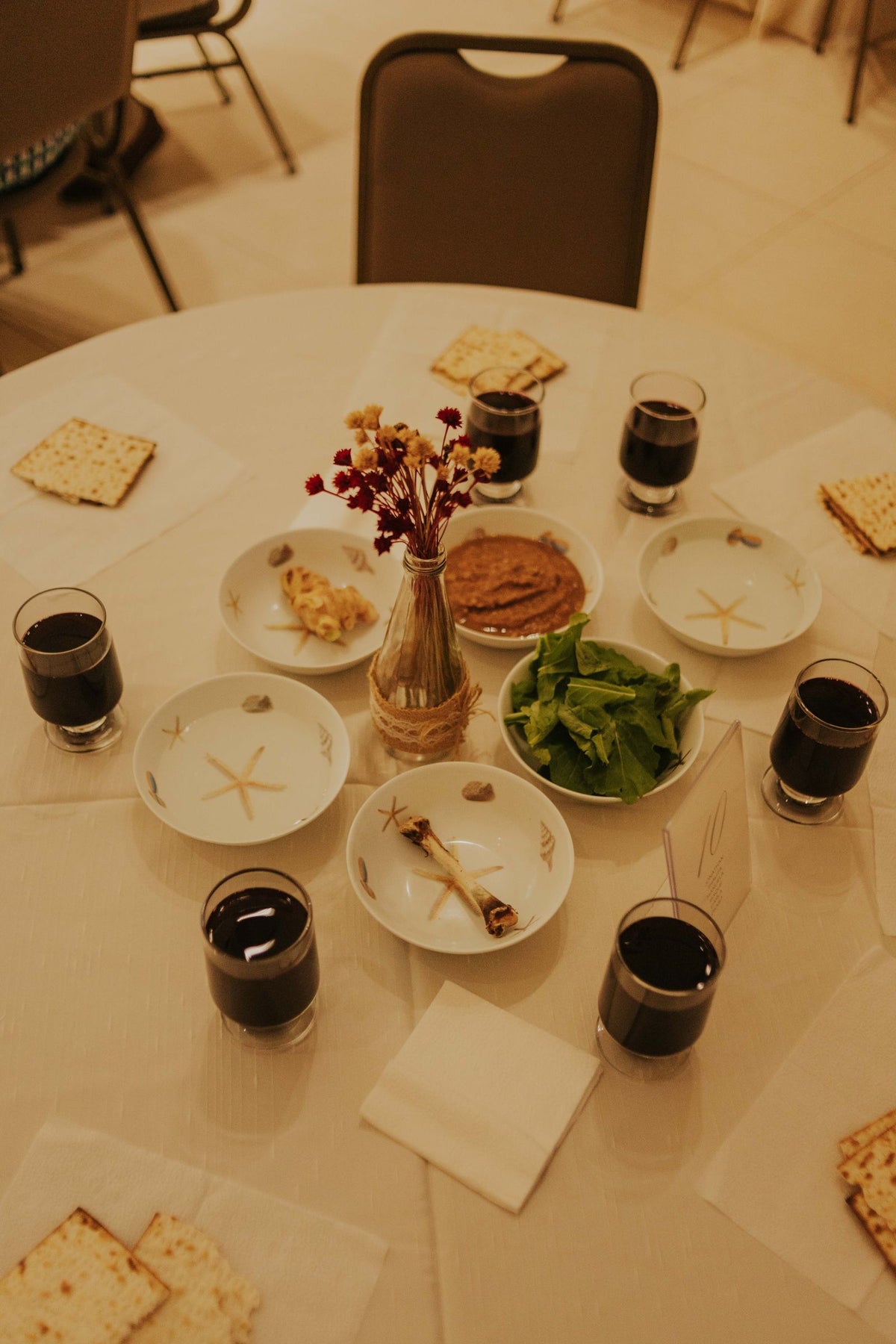
Plan on one 750ml bottle for every one to two adults, choose red if you can, and decide in advance whether your table wants sweet or dry, because the four cups are the one night of the year when nobody gets to skip a pour. Everything else is preference. That part is the math.
By the third cup the brisket is out, someone is arguing about who found the afikoman, and the bottle you opened at kadesh is already gone. Every seder host learns this once. The four cups are not four sips spread across an evening. They are four obligated cups, per adult, on a schedule, and the volume adds up faster than any other meal on the Jewish calendar.
How much wine do you actually need for the four cups?
Start with the shiur, the required measure for each cup. This is a genuine machlokes among poskim, and the commonly cited range runs from roughly three ounces to roughly five, depending on whose position your family follows. Ask your rav which shiur applies to you before you do any shopping, because the answer changes your bottle count by nearly half.
Once you have your number, the arithmetic is simple. A standard 750ml bottle holds about 25 ounces. A 1.5L holds about 50.
| Shiur per cup | Total per adult (4 cups) | Adults per 750ml | Adults per 1.5L |
|---|---|---|---|
| About 3 oz | About 12 oz | 2 | 4 |
| About 4 oz | About 16 oz | 1 to 2 | 3 |
| About 5 oz | About 20 oz | 1 | 2 |
Then add a cushion. Kos shel Eliyahu gets filled. People spill. Someone shows up who was not on the list. The rule that has never failed anyone is to buy one extra bottle beyond what the table math says, and if it goes unopened, it keeps until Shavuos.
The case for magnums
For a seder of ten or more, the 1.5L is the quietly correct format. Fewer bottles to open mid-hagada, less counter clutter, and better value per ounce. Kedem Matuk Rouge Soft (1.5L) and Kedem Burgundy Royale Dry (1.5L) are the sweet and dry versions of the same practical idea. Put one of each on the table and you have covered both halves of the room.
Should the seder wine be red or white?
Red, where it is practical. There is a well known preference in the sources for red wine at the seder, tied to the symbolism of the night, and most tables follow it. Poskim do address circumstances where white is used instead, including the practical concern of white tablecloths and children. As with the shiur, this is a question for your rav and not for a wine merchant.
What we can say is that "red" leaves you an enormous amount of room. A deep Concord and a dry Cabernet are both red and they are not remotely the same experience.
Sweet or dry: pick before you buy
This is where most seder tables split, and the honest answer is that both camps are right about their own table.
The sweet side
Sweet Concord is the taste of a seder for a very large number of people, and nostalgia is a legitimate reason to buy wine. It also solves a real problem: four cups is a lot of wine for someone who does not drink much, and sweet goes down easier than dry when you are not eating between cups. Kesser Concord Grape Sweet (1.5L) is the straightforward magnum version. Rashi Light Red Concord is lighter still, closer to grape juice with a little lift, which makes it the gentlest option for adults who struggle with the four cups.
Concord tastes like exactly what it is: dark grape jam, a little tart at the edges, unmistakably itself. Nobody drinks it for complexity. They drink it because it tastes like their zaide's table.
The dry side
If your seder runs long and the food is serious, a dry red earns its place. It stands up to brisket in a way that Concord cannot, and by the fourth cup you will be glad you are not four cups deep in sugar. Baron Herzog Jeunesse Cabernet Sauvignon is the diplomatic pick, a red that reads as dry but stays soft and fruity enough that the sweet-wine people will not send it back.
Not sure which camp you are in? Our guide to dry vs sweet wine is the fastest way to find out.
The compromise that actually works
Buy both. One sweet magnum, one dry bottle, and let people pour what they want. It costs less than the fish course and it ends the debate permanently.
Children, and adults who cannot drink four cups
Children old enough to be chinuch are generally given grape juice, and nobody at the table thinks twice about it. For adults who cannot manage four cups of wine, poskim discuss options including grape juice, diluting the wine, and using the smaller shiur. These are not one-size answers and they vary by person and by circumstance. Ask your rav, ideally more than a week before yom tov and not at ten o'clock on erev Pesach.
One kashrus note before you order
Wine for the seder needs to be kosher for Passover, and that certification is specific to the bottle and the production run, not to the brand in general. Check the Kosher for Passover marking on the label of the actual bottle you are buying. If you are new to how kosher wine certification works at all, What Makes Wine Kosher explains the whole system in plain language.
Frequently asked questions
How many bottles of wine do I need for a seder?
Figure one 750ml bottle for every one to two adults, depending on which shiur your family follows, then add one spare bottle. For a table of ten adults that is roughly six to eight bottles, or three to four magnums.
How much wine is in each of the four cups?
The measure is a matter of dispute among poskim, commonly cited somewhere between roughly three and five ounces. Ask your rav which shiur applies to you.
Does seder wine have to be red?
There is a well known preference for red wine at the seder, and most tables follow it. Poskim address situations where white is used. This is a halachic question, so ask your rav rather than deciding by taste.
Can children drink grape juice instead of wine?
Children are generally given grape juice, which is standard practice at nearly every seder table.
Should I buy sweet or dry wine for Pesach?
Both, if the table is mixed. Sweet Concord is easier to drink four cups of and carries the nostalgia. A dry red holds up better against the meal. One magnum of each covers everyone.
Do the math once, buy the extra bottle, and put both the sweet and the dry on the table. The rest of the night takes care of itself.