
What Is Kindzmarauli? Georgia's Semi-Sweet Red, Explained
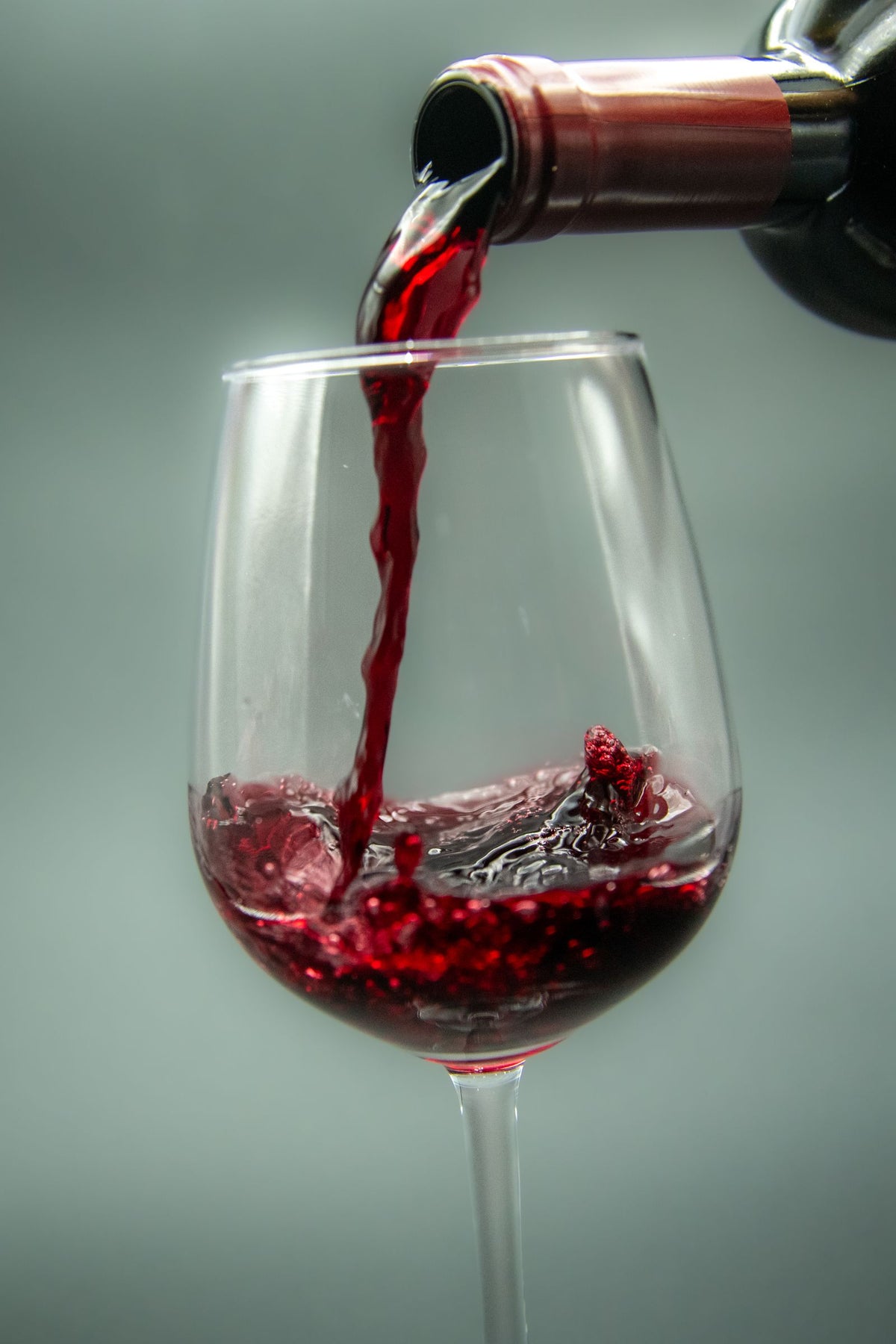
Kindzmarauli is not a grape. It is a place. A small, protected stretch of vineyard in the Kvareli district of Kakheti, in eastern Georgia, on the slopes where the Alazani valley runs up against the Caucasus mountains. Wine from that stretch, made the traditional way, is allowed to call itself Kindzmarauli. Wine from anywhere else is not.
What comes out of it is a deep, dark, naturally semi-sweet red made from Saperavi. It has quietly become one of the most-looked-at bottles on this site, and almost nobody who buys it knows the story behind it.
Why it is sweet, and why that is not a shortcut
This is the part that matters, because semi-sweet red has a bad name and Kindzmarauli does not deserve it.
Most cheap sweet red is sweet because sugar or grape concentrate went in after the wine was finished. Kindzmarauli is sweet because the fermentation was stopped before it finished. The winemaker chills the tank down, the yeast goes dormant, and the grape's own sugar is left in the wine rather than turned into alcohol. Nothing is added. What you taste was in the fruit.
Two things follow from that. The alcohol stays low, usually around 11 to 12 percent, because a chunk of the sugar never became alcohol. And the sweetness tastes like fruit rather than syrup, because it is fruit. If you have ever tried a sweet red and found it cloying, this is a different mechanism producing a different result.
Saperavi, the grape that stains everything
Saperavi means dye in Georgian, and it earns the name. Almost every red grape in the world has red skin and clear flesh, which is why you can make white wine from red grapes. Saperavi has red flesh too. Cut one open and the inside is stained.
That is why the wine in the glass is so dark it barely lets light through, and why even at eleven percent with residual sugar it still has real weight to it. You get black cherry, dark plum, blackberry preserve, sometimes a note of dried fig, over soft tannins that never get in the way.
The same grape made dry is a serious, structured, savoury wine. GRW Saperavi is the dry version from the same producer, inky and firm and built for brisket. Tasting the two next to each other is the clearest lesson in what stopped fermentation actually does.
The Georgian semi-sweet family, sorted out
Kindzmarauli is the famous one, but it sits in a family of names that all get confused with each other. Here is what each one actually is.
| Name | What it means | Style |
|---|---|---|
| Kindzmarauli | Protected zone in Kvareli, Kakheti. Saperavi only | Semi-sweet, dark, full |
| Khvanchkara | Protected zone in Racha, western Georgia. Aleksandrouli and Mujuretuli grapes, not Saperavi | Semi-sweet, softer, more red-fruited |
| Alazani Valley | A style name, not a protected zone. Semi-sweet wine from the broader valley | Semi-sweet, jammy, the everyday one |
| Pirosmani | Named after the folk painter. Kakheti Saperavi, made a touch drier | Semi-dry, the middle ground |
| Mukuzani | Protected zone in Kakheti. Dry Saperavi, oak aged | Dry and structured |
The practical difference for a Shabbos table: Kindzmarauli and Khvanchkara are the sweet ones, Pirosmani is for a table that cannot agree, and Mukuzani is for the people who wanted a dry red all along. If the semi-dry line is new to you, semi-dry wine explained covers where it sits.
The Kindzmarauli we carry
GRW Kindzmarauli (750ml) is the one to start with. Mevushal, Kosher for Passover, and the standard by which the rest get judged.
GRW Kindzmarauli Semi-Sweet Red (1.5L) is the same wine in a magnum, which is the format this style was made for. A big bottle of semi-sweet red on a long table is exactly the Georgian idea of dinner, and a magnum pours around ten glasses.
Shimon & Co Kindzmarauli (750ml) is the step up, from the tiny Kindzmarauli microzone, richer and fuller, with cocoa and dried fig under the fruit. It is not mevushal, which matters if a non-Jew will be handling the bottle at the table. Mevushal vs non-mevushal explains when that actually comes up.
If you want the whole shelf, Georgian wine has eighteen bottles on it, dry and sweet, red and white.
What to eat with it
Sweetness plus low alcohol plus soft tannin makes this one of the easiest reds to put on a table, and it goes with the food our customers actually cook.
Cholent is the obvious one. Eighteen hours of fat, salt and starch flattens a delicate dry red, and a semi-sweet Saperavi with real fruit weight stands up to it without fighting. What wine goes with cholent goes into why in detail.
Beyond that: brisket with prunes, sweet kugel, anything with dried fruit in it, a kiddush spread, and honestly just on its own in the afternoon. It also works at the end of a meal in place of a dessert wine, which is not something you can say about most reds.
Serve it cool. Not cold, cool, around fifty-five to sixty degrees, which is twenty minutes in the fridge. Warm, the sweetness turns heavy. Cool, it tightens up and the fruit sharpens.
Why Georgia matters
Georgia has been making wine for around eight thousand years, longer than anywhere else on earth, in buried clay vessels called qvevri. It is not a wine country that copied France. France is a wine country that came later.
For a kosher buyer that history has been mostly out of reach until recently, and the fact that there is now a proper kosher Kindzmarauli, mevushal, at under twenty dollars, is genuinely new. There is a wider tour in the best semi-sweet red wines, which puts the Georgian bottles next to the Israeli and American ones so you can see where they land.
The short version
Kindzmarauli is a place in eastern Georgia, the grape is Saperavi, and the sweetness comes from stopping fermentation early rather than from a sugar bag. Low alcohol, dark colour, soft tannin, real fruit. Start with the GRW, serve it cool, and put it next to something rich.