
What Is Sake?
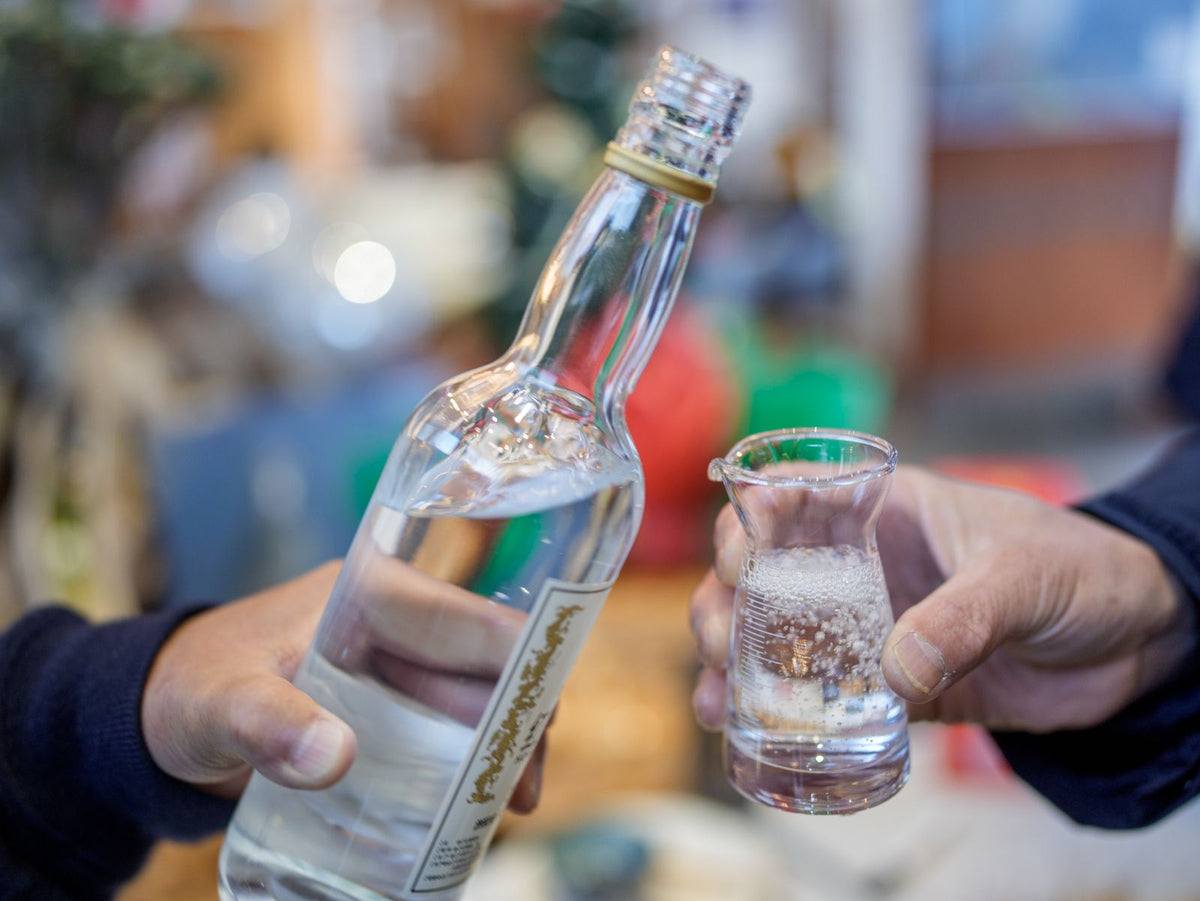
Sake gets asked about more than you would expect in a kosher wine shop, usually by somebody who has had it in a restaurant and liked it, or by somebody buying for a sushi night at home and not sure whether it is even allowed. Both are fair questions and neither takes long to answer.
What it actually is
Sake is made from rice, water, yeast and a mould called koji. The rice is polished, steamed and then fermented, and what comes out is a clear drink of about fifteen or sixteen percent alcohol.
It is usually called rice wine, which is misleading. Wine is fermented from fruit that already contains sugar. Rice contains starch, not sugar, so something has to convert one into the other first. That is the koji's job, and it is the same job that malting does in beer. In method sake is closer to beer; in strength and in how you drink it, it is closer to wine. It is not distilled, so it is not a spirit at all, which is where most of the confusion comes from.
The other thing worth knowing is that good sake tastes nothing like the hot, harsh stuff served in cheap restaurants. Cold sake, from a decent bottle, is clean and slightly sweet with a melon or pear note and no burn.
Is sake kosher?
It needs certification like anything else. The ingredients are simple (rice, water, koji, yeast) but the production can involve additives and processing aids that need checking, and that is what the certification is for. Look for a hechsher on the bottle, exactly as you would with anything else on the shelf. Everything in our kosher sake range is certified.
The general principles are the same ones that apply to grape wine, which we set out in what makes wine kosher. Worth noting that the extra stringencies specific to grape wine (the rules about who may handle an open bottle, and the mevushal question) apply to wine made from grapes. Rice is not a grape. Our mevushal explainer covers where that line sits.
The words on the label
Sake labelling looks impenetrable and reduces to about four terms.
Junmai means pure rice: nothing added but rice, water, koji and yeast. It tends to be fuller and more savoury. If a label says junmai, that is a good sign.
Honjozo means a small amount of distilled alcohol was added during brewing. That sounds like cheating and is not: it lifts aroma and lightens the body, and plenty of excellent sake is honjozo.
Ginjo and daiginjo refer to how much of each grain of rice was polished away before brewing. More polishing means a more delicate, more floral, more expensive sake. Daiginjo is the most polished.
Nigori is the cloudy one. It is filtered coarsely so some rice sediment stays in, which makes it sweeter and thicker. It is the sake most likely to convert somebody who thinks they dislike sake.
Hot or cold?
Cold, almost always. Warming sake is a real tradition and it suits sturdy, savoury styles in cold weather, but it was also historically a way of hiding rough edges in cheap sake. Anything delicate or aromatic is ruined by heat.
Chill the bottle in the fridge and serve it in small glasses or small cups, and top up each other's cups rather than your own: that last part is the actual custom and it is a nice one. Once opened, sake is like white wine: keep it cold, drink it inside a week. Our notes on how long an open bottle lasts apply almost exactly.
What we carry
Sho Chiku Bai Classic Junmai Sake at thirteen dollars is the place to start. It is a straightforward junmai, dry and clean, and it is the bottle that will tell you honestly whether you like sake or not.
Sensei Sake at fifteen is the other dry option and the easier of the two to drink on its own.
Then there is the flavoured side, which is where most people actually end up. Hana Fuji Apple Sake at sixteen, Hana Lychee Sake at sixteen and Hana Raspberry Sake at fifteen are lower in alcohol, sweet, and served very cold over ice. They are closer to a light fruit wine than to traditional sake, and they are far and away the easiest bottles on this list to put in front of a mixed table. If sweet and low-alcohol is your preference generally, our sweet white wine guide is the grape equivalent.
What to eat with it
The obvious answer is sushi, and it is right, but it undersells the drink. Dry sake has almost no acid and no tannin, which means it does not fight food the way wine can. It is very good with anything salty or fried, with grilled fish, with soup, and, surprisingly, with hard cheese.
Where it really earns its place is with dishes that make wine awkward. Anything with a lot of ginger, soy, chilli or vinegar will flatten a delicate white and clash with a red; sake shrugs it off. If you are choosing between the two, our wine with fish guide is the comparison.
The flavoured Hana bottles go the other way: treat them as you would a dessert wine, or pour them over ice as a long drink before a meal.
Buying your first bottle
Buy the Sho Chiku Bai junmai and one of the Hana bottles at the same time, and drink them on the same evening. They are so different that the pair tells you more about sake than either would alone, and between them they cost less than thirty dollars. The whole sake shelf is here, and if the clean, dry, low-tannin thing turns out to be what you were after, the white wine range is the place to look next.