
The Best Wine to Bring as a Gift
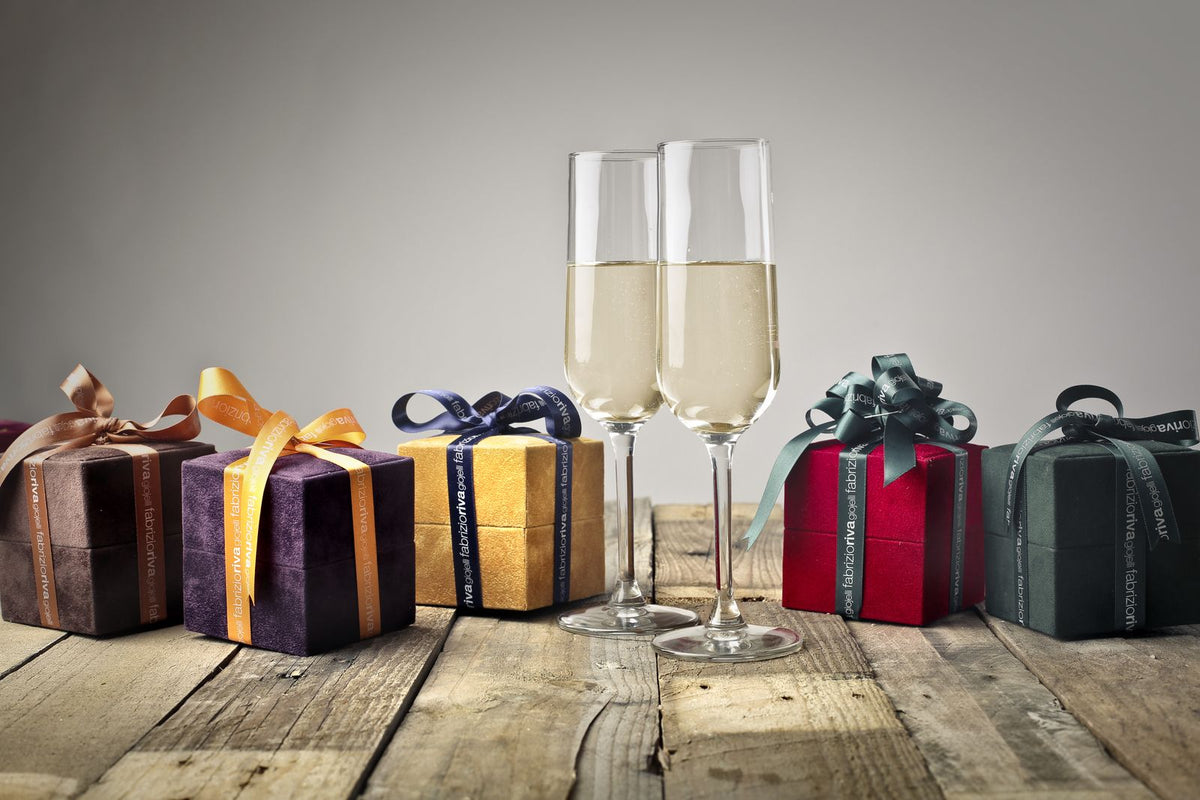
The best wine to bring as a gift is a sparkling or lightly sweet bottle in the fifteen to twenty-five dollar range, because it works for almost any host, needs no explanation, and does not put anyone on the spot. Bring something obscure and you have handed your host a puzzle. Bring something pretty and easy and you have handed them a good evening.
There is a small anxiety in choosing a bottle for someone else's table. You do not know what they drink, whether they will open it tonight, or whether the label reads as generous or as showing off. That anxiety is solvable, and it comes down to about four decisions.
What makes a bottle a good gift?
A host gift is a different object from a bottle you buy for yourself. It has a job.
- It should look like more than it cost. Presentation is not vanity here. It is the whole message.
- It should be drinkable by almost anyone. A tannic, closed young red is a wonderful wine and a poor gift.
- It should not obligate the host. If it clearly needs to be opened tonight, you have taken over their menu.
- It should be kosher-appropriate for their home without them having to check. More on this below, and it is the part people forget.
The safest gift wine: sparkling
Sparkling wine is the closest thing to a universal answer. It signals occasion, it is served cold so it needs no decanting or thought, and almost nobody dislikes it. The foil and the cage do a lot of visual work on their own.
Bartenura Prosecco Brut is the dry choice, crisp and clean, and it will not be too sweet for anyone. Bartenura Asti goes the other direction, gently sweet with a peach and orange-blossom lift, and it is the bottle to bring when there is dessert or a crowd that leans sweet. The Herzog Selection Rose Brut splits the difference and looks the most expensive of the three in a glass.
The bottle nobody has to think about
If you want the single least risky gift on the shelf, it is Bartenura Moscato. The blue bottle is recognized instantly in almost every Jewish home in America, which means your host knows exactly what it is and exactly that it will be enjoyed. It drinks like cold peaches and a little honey, light enough that a second glass is easy.
Some people dismiss it for being popular. That is a mistake in a gift context. Popular means your host has one fewer decision to make. If you want the same idea in a less familiar dress, Gavioli Moscato is the alternative, and our guide to how sweet Moscato really is explains where it sits on the scale.
When should you bring a red instead?
Bring red when you know the host drinks dry wine, or when you know there is meat on the menu. In that case, aim for something with structure but no homework attached. Herzog Lineage Cabernet Sauvignon is the right shape for about twenty dollars: dark fruit, real Cabernet grip, and ready to drink the night it arrives.
In warm weather, a dry rose is often the smarter red-adjacent gift. Baron Herzog Rose is chilled, dry and easy, and it looks lovely on a table set for a summer meal.
How much should you spend on a gift bottle?
| Occasion | Spend | Style |
|---|---|---|
| Casual Shabbos meal | $14 to $20 | Moscato, Prosecco, dry rose |
| Yom tov invitation | $20 to $35 | Sparkling or a good dry red |
| Engagement, new home, thank you | $35 to $60 | Something with a name they will recognize |
| A meaningful simcha | $60 and up | A single serious bottle, not two lesser ones |
One bottle at a level is always better than two below it. The second bottle does not double the gesture, it halves it.
The kosher detail most people miss
If you are bringing wine to a home where you are not sure who will open and pour it, mevushal is worth a thought. Mevushal wine keeps its kosher status even when handled by someone who is not Jewish, which is exactly the situation at a catered event or a large gathering with help in the kitchen. The bottle will say. Read the label rather than assuming, and our explainer on mevushal versus non-mevushal wine covers when it actually matters.
The other quiet courtesy: hand the bottle over and say plainly that it is for them to keep, not for tonight. It releases your host from wondering whether they are supposed to serve it.
Frequently asked questions
Should I bring red or white as a host gift?
Sparkling if you do not know them well, because it fits any menu and any season. White or rose if the meal is dairy or fish, red if you know there is meat. When in doubt, sparkling wins.
Is it rude to bring a cheap bottle of wine?
No. It is only awkward if the bottle looks careless. A well-chosen fifteen-dollar sparkling wine presented properly reads better than a forty-dollar bottle chosen at random on the way over. Spend your effort before your money.
Do I need to wrap it?
A gift bag or a simple sleeve is enough, and it makes the bottle read as a gift rather than as a contribution to dinner. Skip elaborate wrapping. Nobody wants to unwrap something while holding a serving dish.
What is a safe gift for someone who does not drink much?
A light sparkling wine or a Moscato, both of which are low in alcohol relative to a full red and pleasant in a small glass. A half bottle is also a thoughtful choice, because it will not sit half-finished in their fridge for a month.
What should I bring for Rosh Hashana or a yom tov meal?
Something sweet is traditional and appreciated, which makes Moscato and Asti natural fits. Our Rosh Hashana wine guide has specific picks, and the best kosher wines under $30 is a good list to shop from generally.
Browse our gift selection or go straight to Moscato, which is where most of these decisions end up anyway. Pick the pretty bottle. Say it is for later. Then enjoy the meal.