
Cooking With Wine: What to Use and What to Skip
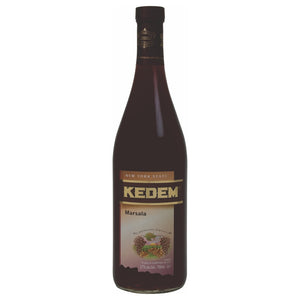
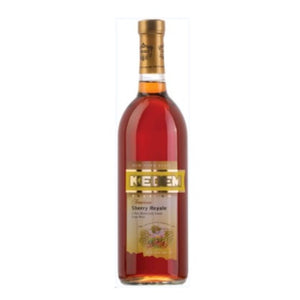
Two bottles made for the pot are Kedem Marsala Cooking Wine (OU) and Kedem Sherry Royale Cooking Wine. For a simple wine in a sauce, use Bartenura Rosso Toscano (OU) or Baron Herzog Chenin Blanc (OU).
The oldest advice about cooking with wine is the worst advice about cooking with wine. "Never cook with a wine you would not drink" sounds wise and costs people money. You are about to simmer it for two hours with onions, garlic and a bay leaf. The nuance you paid forty dollars for will not survive the first twenty minutes.
What actually matters is much simpler, and it comes down to three things: sugar, salt and acid. Get those right and a twelve dollar bottle will do everything a fifty dollar bottle would have done.
What wine actually does in a pot
Three jobs, and they are worth knowing separately because they tell you which bottle to grab.
It dissolves what the pan cannot. Brown meat in a hot pan and the best flavor sticks to the bottom as a dark crust. Water will not lift it properly. Wine will, because alcohol dissolves compounds that water leaves behind. That is deglazing, and it is the single biggest reason wine is in the recipe.
It adds acid. A long braise goes flat and heavy without something sharp in it. Wine brings acid that lemon juice cannot, because it arrives early and cooks down with everything else instead of sitting on top.
It tenderizes. In a marinade the acid loosens the surface of the meat and carries the seasoning in. A few hours is plenty. Overnight in a strongly acidic marinade and the outside goes mushy.
The three rules that actually matter
Rule one: dry, not sweet. This is the one that ruins dinners. Sweet wine reduces into syrup, and a sweet braise tastes like a mistake rather than a choice. Most of the sweet reds on the Jewish table are wrong for a pot. If the label says Concord, Malaga, Matuk or semi sweet, it belongs in a kiddush cup, not in a brisket.
Rule two: no supermarket cooking wine with salt in it. The salted stuff sold in the grocery aisle is wine made undrinkable on purpose so it can be sold without a liquor license, and the salt load wrecks your seasoning. Real cooking wine, the kind on a wine shelf, has nothing added.
Rule three: cook it down before you add liquid. Pour the wine in, scrape the pan, and let it bubble hard until it has reduced by about half before the stock or tomatoes go in. Skip that and you get a raw, sharp edge that never quite leaves the dish.
Which wine for which dish
| What you are making | What to pour in |
|---|---|
| Brisket, short ribs, cholent, beef stew | Dry red, medium bodied, low oak |
| Chicken, turkey, veal | Dry white, unoaked |
| Fish, mussels, a lemon pan sauce | Crisp dry white, nothing heavy |
| Mushroom sauce, chicken Marsala | Marsala |
| Gravy, onion soup, a pan sauce for beef | Sherry or a splash of port |
| Risotto | Dry white with real acid |
| Tomato sauce, bolognese | Dry red, nothing oaky |
One note on oak. A heavily oaked red or Chardonnay concentrates its oak as it reduces, and the dish ends up tasting like a plank. For the pot, reach for the simpler bottle, not the fancier one.
The bottles we would actually cook with
Two of these are made for the job and the rest are everyday drinking bottles that happen to be exactly right.
Kedem Marsala Cooking Wine is the one bottle most kosher kitchens are missing. Marsala is a fortified wine from Sicily, and it is the backbone of chicken Marsala, of any serious mushroom sauce, and of a pan gravy that tastes like it took all day. It keeps for months after opening because of the fortification, so one bottle covers a lot of dinners.
Kedem Sherry Royale Cooking Wine is the other half of that pair. A spoonful finishes a mushroom soup, a chicken gravy or a bisque, and it does something to onions that nothing else does. More from this house in our Kedem guide.
For red braising, Chateau Josephine Merlot is soft, dry and unoaked, which is precisely what a brisket wants. Wild Goat Cabernet Sauvignon is the firmer option for short ribs and anything with a lot of fat to cut through. Bartenura Rosso Toscano is the tomato sauce bottle, because Italian reds and tomatoes were built for each other.
For white, Chateau Josephine Chardonnay is unoaked and neutral, which makes it the safe choice for chicken and risotto. Baron Herzog Chenin Blanc has more acid and is the better one for fish and lemon sauces, and Carmel Selected Sauvignon Blanc does the same job with a greener edge.
For the gravy splash, Porto Cordovero Fine Ruby Port is worth having in the cupboard. A tablespoon in a pan sauce for beef adds a depth that no amount of reduction will give you on its own, and the rest of the bottle is a perfectly good after dinner drink. If port is new to you, read what is port wine.
Two kosher specifics worth knowing
Mevushal and your guests. If the bottle you are cooking from will also be poured at the table, and there is any chance a guest who is not shomer Shabbos will handle it, mevushal is the simpler choice. Once the wine is cooked into a dish this stops being a question, but the open bottle on the counter is still wine. We explain the whole thing in mevushal versus non mevushal.
Meat and wine. Wine is pareve, so the same bottle goes into a brisket and into a fish stew with no issue, as long as the pot and the spoon match the meal. What is in the bottle is covered in what makes wine kosher.
What to do with the rest of the bottle
You used a cup. There are two left. Recork it, put it in the fridge, and it is good for cooking for about five days, longer than it is good for drinking. Past that, freeze it in an ice cube tray and drop two cubes into the next pan sauce. For the drinking side of the question, see how long open wine lasts and does wine go bad.
Browse wines under twenty dollars for the cooking shelf, or the full kosher red and kosher white ranges. Free shipping on orders $150+ in the lower 48.
Cooking with wine in one line
Dry, cheap, unoaked, reduced before the rest of the liquid goes in. Keep a Marsala and a sherry in the cupboard and you will use them more than any other bottle in the house. For the dish that starts most of these arguments, see what wine goes with cholent.