
What Is Port Wine? The Sweet Red You Pour After the Meal
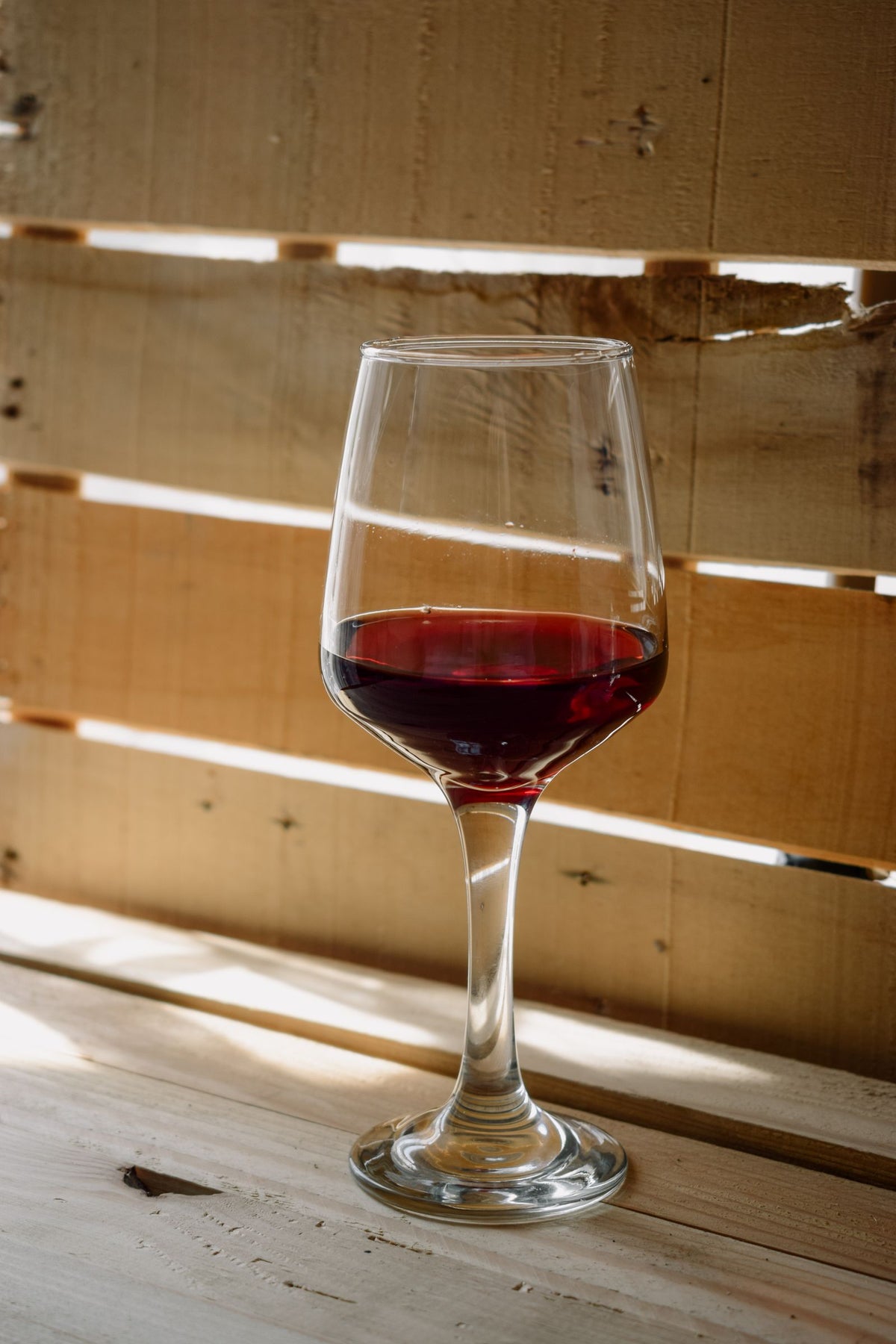
Port is a sweet red wine with brandy added to it. That single change is what separates it from every other red on the shelf, and it explains almost everything else about the way it tastes, the way it is served, and how long it lasts once you open it.
It is the bottle that comes out after the meal, with cake or chocolate or a bowl of nuts, when nobody wants another glass of dry Cabernet. Poured into a small glass it goes further than you would think, which is why one bottle can carry a whole table.
What fortified actually means
Normal wine is finished when the yeast has eaten all the sugar in the grape juice and turned it into alcohol. Port is stopped halfway.
Partway through fermentation the winemaker adds a neutral grape spirit, essentially clear brandy. Yeast cannot survive in that much alcohol, so it dies on the spot and stops eating. All the sugar it had not gotten to yet stays in the bottle.
You end up with two things at once: a wine that is genuinely sweet, and a wine that is strong. Most table wine sits around thirteen or fourteen percent alcohol. Port lands near twenty. That extra alcohol is not there for effect, it is the by-product of how the sweetness was kept.
Port is not the same as a sweet red
This is where most people get tripped up. A bottle of sweet Concord is sweet because the grapes are sweet and the fermentation was short. It is still an ordinary wine, around eleven percent, and it drinks like a soft juice.
Port is sweet and fortified. Side by side, the sweet red tastes fruity and light, and the port tastes thick, warm and a little bit fiery at the finish. Pour the two next to each other once and you will never confuse them again. If sweet reds in general are what you are after, the wider sweet wine shelf is the place to look, and dry vs sweet wine walks through where any bottle sits on that scale.
Ruby, tawny, LBV, vintage
The words on a port label are all telling you the same thing from different angles: how long the wine sat in a barrel before it went into the bottle.
| On the label | What it means |
|---|---|
| Ruby | Young, kept away from air, bright purple-red. Tastes of blackberry and plum. The everyday style |
| Tawny | Years in wood, slowly browning. Tastes of caramel, walnut, dried fig. Softer and nuttier |
| Late Bottled Vintage (LBV) | One year's harvest, four to six years in barrel. A step up from ruby, ready to drink |
| Vintage | One exceptional harvest, bottled young, meant to be kept for decades. The expensive tier |
| Reserve | A better blend within its own style. Means more in some houses than others |
For a first bottle, ruby is the honest answer. It is the cheapest tier and it tastes the most like what people picture when they hear the word port.
Real Porto and port-style
Port comes from the Douro Valley in northern Portugal, and the name is protected there the same way Champagne is protected in France. A wine can only call itself Porto if it was grown and made in that valley.
Everything else made the same way somewhere else has to say something slightly different on the label. That is why you will see port-style, port style dessert wine, or just dessert wine on bottles from Israel, California and New York. It is a legal distinction, not a quality one. Some of the port-style bottles below are richer than the real thing.
The kosher ports worth pouring
The kosher shelf covers both ends: an actual Douro Porto, and a set of port-style bottles from Israel and America.
| Bottle | What it is | About |
|---|---|---|
| Porto Cordovero Quinta Da Trovisca Fine Ruby Port | The real thing. Douro Valley, Portugal, made as ruby port | $26 |
| Kedem New York State Port Wine | New York Concord, port style, mevushal. The sweet, familiar one | $17 |
| Farbrengen Dancing Series Port | New York, sweet and easy, the friendliest first bottle | $17 |
| Katlav Ben Porat Yossef Port-Style Cabernet | Judean Hills, port style, built on Cabernet. Dark and serious | $48 |
| Or Haganuz Har Sinai Port-Style Sweet Red | Israeli port style sweet red, the richest of the group | $60 |
| Teperberg Essence Fortress | Teperberg's fortified Judean Hills bottle, nutty and long | $40 |
If you want to taste what port is actually supposed to be, start with the Porto Cordovero Fine Ruby Port. It is the only one on the list grown in the Douro, and at twenty-six dollars it is not a splurge. If you are buying for a table that likes things sweet, the Kedem New York State Port will make more people happy.
Not everything sweet is port
Two other things sit near port on the shelf and get lumped in with it. They are worth knowing apart.
Late harvest wines are made from grapes left on the vine until they shrivel and concentrate. No brandy is added, so the alcohol stays low and the wine tastes purer and fruitier. Herzog Late Harvest Old Vine Zinfandel is a good one to try.
Ice wine is made from grapes frozen solid before pressing, which leaves behind an intensely sweet juice. Hevron Heights Eden Quintessence Ice Wine is the kosher example, and it is a different world from port: bright, sharp and honeyed rather than warm and dark. Psagot Dessert Wine sits in the same family.
The whole dessert wine shelf holds all three styles together if you want to see them side by side.
How to serve it
Cool, but not cold. Around sixty to sixty-five degrees, so about twenty minutes in the fridge before the meal ends. Cold flattens the sweetness and hides everything interesting. Warm makes the alcohol stick out.
Pour small. Two or three ounces is a full serving, which means a bottle stretches to about ten pours instead of the usual five. See how many glasses are in a bottle if you are working out how much to buy for a crowd.
You do not need a special glass. A small wine glass, or a regular one filled a third of the way, does the job.
It keeps for weeks after opening
This is the part people do not expect. All that added alcohol acts as a preservative, so an opened bottle of port does not fall apart the way an opened red does.
Cork it, stand it in the fridge, and a ruby port will still taste right two or three weeks later. A tawny goes even longer. Compare that with a normal red, which is noticeably tired after two or three days, as how long open wine lasts explains.
That makes port unusually practical for a household that only wants one glass at a time.
What to eat with it
The rule with sweet wine is that the wine has to be sweeter than the food, or the food makes the wine taste sour. Port is sweet enough to handle almost any dessert.
Chocolate is the classic, and dark chocolate especially. Beyond that: dried fruit, almonds and walnuts, sponge cake, apple cake, honey cake, and anything with figs or dates in it. A slice of babka works better than it has any right to.
Port also sits well at the end of a long Yom Tov meal when the table is still talking and nobody wants a full glass of anything. For where it fits across a whole week of meals, see our Sukkos buying guide.
The short version
Port is sweet because the fermentation was cut short with brandy, strong because of that same brandy, and long-lasting once opened for the same reason again. Ruby is the young style and the place to start. Real Porto comes from Portugal; port-style bottles from Israel and America are made the same way and are often excellent.
Everything discussed here is on the port shelf, and the wider dessert wine range covers late harvest and ice wine alongside it.