
How to Make Mulled Wine
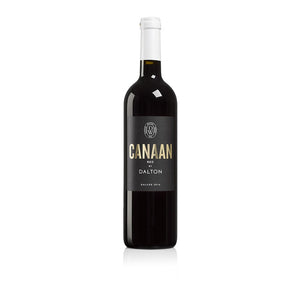
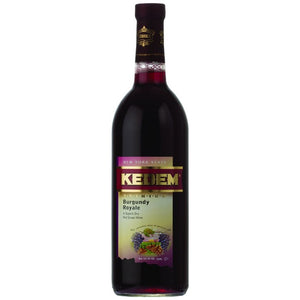


Mulled wine is red wine warmed with citrus and spice, so pick a red you would pour on its own. Good ones for the pot: Kedem Burgundy Royale Dry (OU), Weinstock Red Blend (OU) and Dalton Canaan Red.
Mulled wine is red wine warmed with citrus, spice and a little sugar. The Germans call it Glühwein and sell it steaming from stalls all winter, the Swedes call it glögg, and the English have been drinking something like it since the Middle Ages. It has no Jewish name, which is a shame, because a pot of it on the stove is one of the best things you can do on a freezing Friday night in Brooklyn.
It is also the single most useful recipe in wine, because it turns an inexpensive bottle into something that tastes like effort. Here is how to make it, how not to ruin it, and which bottle to open.
The one rule: do not boil it
Everything that goes wrong with mulled wine goes wrong in the first ten minutes, and it is always the same mistake. Heat is what pulls the flavor out of cinnamon and orange peel, but a hard boil cooks the alcohol off and leaves the wine tasting stewed and thin, like warm jam water.
You want it hot enough to steam and never hot enough to bubble. On a stove that is the lowest setting with the lid half on, somewhere around 160 to 180 degrees Fahrenheit. Give it twenty to thirty minutes at that temperature and the spices will have done their work. A slow cooker on low is even easier and almost impossible to get wrong.
What to put in it
| Amount | Ingredient | Why |
|---|---|---|
| 1 bottle (750ml) | Dry red wine | Medium body, fruity, nothing expensive |
| 1 | Orange, sliced into rounds | The peel matters more than the juice. Leave it on |
| 2 to 3 | Cinnamon sticks | Sticks, not ground. Ground cinnamon turns it cloudy and gritty |
| 4 to 6 | Whole cloves | Easy to overdo. Start at four |
| 2 to 3 tbsp | Sugar, honey or maple syrup | Add half, taste at the end, then decide |
| 1 or 2 | Star anise, optional | Adds the licorice note people associate with a German winter stall |
| 2 oz, optional | Brandy or orange liqueur | Stirred in off the heat, at the very end |
That is one bottle and about four mugs, so count on two bottles for six people who want seconds. If you need to scale it for a crowd, how many glasses in a bottle of wine has the arithmetic.
Method, in full: slice the orange, put everything except the brandy in the pot, bring it up slowly until it steams, hold it there for twenty to thirty minutes, taste it, adjust the sugar, pull it off the heat, stir in the brandy if you are using it, and ladle it out leaving the spices behind. Strain it if you are serving it to guests and do not if you are not.
Which wine to use
The wine wants four things: dry, medium body, fruit-forward, and low tannin. You are adding sugar and spice, so a wine with a lot of grip or a lot of oak will fight you. This is not the night for the Cabernet you were saving.
| Bottle | Why it works here |
|---|---|
| Kedem Burgundy Royale Dry | The honest answer. Dry, soft, cherry and plum, and the cheapest way to fill a pot |
| Terra Vega Cabernet Sauvignon | Chilean, ripe, rounded tannin, clean. Mevushal |
| Dalton Canaan Red | Galilee house red, pepper and plum, low tannin by design. Mevushal |
Kedem Burgundy Royale Dry is the right bottle for this and there is no need to feel clever about it. It is dry, medium-bodied, red cherry and plum skin with soft tannin, and nothing about mulling it is a waste.
Terra Vega Cabernet Sauvignon and Dalton Canaan Red are both a step up in fruit, and both are mevushal, which matters if the pot is going to be at a shul kiddush or an event where somebody else is doing the pouring.
One wine to avoid: a semi-sweet red. Weinstock Red Blend is a lovely bottle and it is already rounded with a whisper of Muscat, so if you use something like that, skip the sugar entirely and taste before you add anything. Sweet wine plus sugar plus orange is cough syrup.
The brandy at the end, and why it goes in last
A splash of spirit is traditional and it does two things: it puts back some of the warmth that twenty minutes on the stove took out, and it gives the drink a longer finish. Add it off the heat so it does not simply evaporate.
Ashkelon VS Brandy is the natural choice, an Israeli grape brandy aged three years in oak with dried fig, raisin and a thread of orange peel already in it. For a brighter, more citrus version, Lavie Hadar Orange Liqueur or Binyamina Triple Sec, double down on the orange. Two ounces into the whole pot is plenty. The rest of the brandy shelf will all work.
When to make it
Chanukah, obviously, when there is already oil in every pan and people are standing around the window watching candles. A cold motzei Shabbos. Melave malka. A winter kiddush where the usual bottle of whisky is not doing much for anyone who does not drink whisky. Any Friday where the walk home from shul is unpleasant.
It also travels well in a thermos, which makes it the right thing to bring to somebody else's house. Chanukah wine and spirits covers the rest of the eight nights.
Two practical notes
Mevushal. Mevushal means cooked wine, and warming a bottle in a pot is not the way to settle that question for your own table. If mevushal matters where you are serving, start with a bottle that is labeled mevushal and you have nothing to think about. Mevushal vs non-mevushal explains when it comes up.
Leftovers. Mulled wine keeps in the fridge for two or three days and reheats fine, as long as you strained the spices out. Leave the cloves in overnight and by the morning it will taste of nothing but cloves. The same general rules apply as to any open bottle, which does wine go bad goes through.
Browse the kosher red wine shelf for the pot, and if you would rather drink the bottle cold and unheated, the best kosher red wine for beginners is the better page for that. Free shipping on orders $150+ in the lower 48.