
The Recanati Range Explained: All Eight Bottles From $14.99
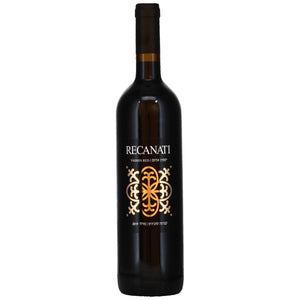
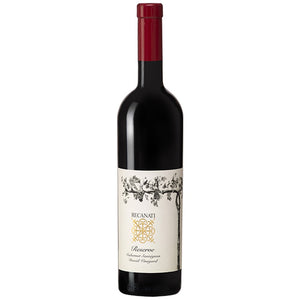
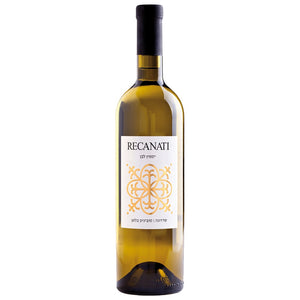
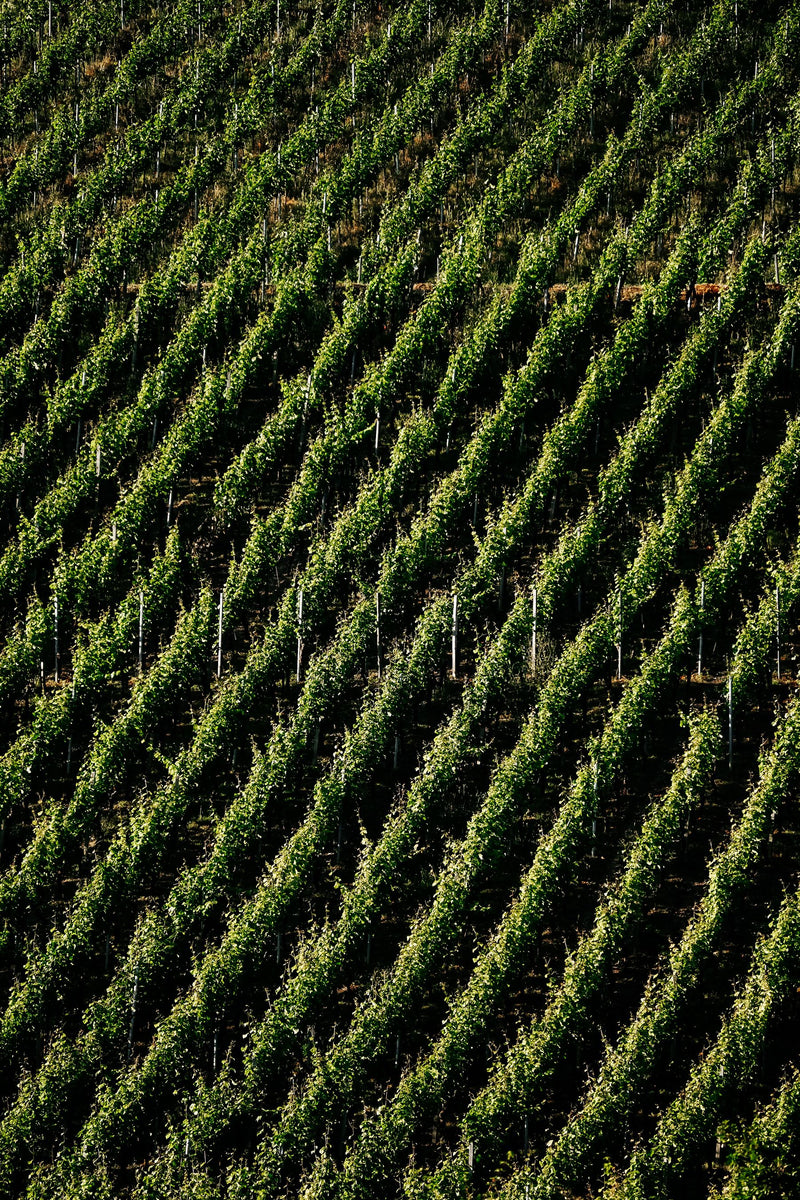
Recanati is one of the Israeli wineries people name without being able to say what they actually make. It was founded in 2000 in the Hefer Valley near Hadera, it buys fruit from the Galilee and the Judean Hills, and its winemakers are Gil Shatsberg and Ido Lewinsohn.
The useful thing about the range is that it is honest about its own tiers. There is a mevushal everyday line, a varietal line, and a reserve line, and the price tells you which you are holding.
We carry all eight bottles. Every one of them is OU and every one is Kosher for Passover. Here is what each is, and which two are mevushal.
The whole range at a glance
| Bottle | What it is | Mevushal | Price |
| Yasmin White | Dry white blend | Yes | See today's price |
| Yasmin Red | Dry red blend | Yes | See today's price |
| Rosé | Dry rosé, Galilee | No | See today's price |
| Merlot | Medium-bodied red | No | See today's price |
| Cabernet Sauvignon | Full-bodied red | No | See today's price |
| Reserve Cabernet, David's Vineyard | Single-vineyard reserve | No | See today's price |
| Reserve Wild Carignan | Old-vine reserve | No | See today's price |
| Special Reserve Red | The flagship blend | No | See today's price |
Yasmin: the mevushal everyday line
Yasmin is the only part of the range that is mevushal, and it is both bottles. That is the fastest way to remember it: if it says Yasmin, you can hand the bottle to anyone at the table.
Yasmin Red is a 50/30/20 blend of Cabernet Sauvignon, Merlot and Shiraz from the Galilee, 13%. Cranberry, tobacco leaf and bittersweet chocolate over ripe ruby fruit, medium-bodied and supple, with pomegranate, raspberry and plush tannins. This is the default mevushal red for a lot of tables and it earns it.
Yasmin White is 65% Emerald Riesling, 20% Sauvignon Blanc and 15% French Colombard from Recanati's Mediterranean vineyards, 13.5% and dry. Tropical fruit on the nose, layered fruit and a bright acidic spine on the palate, a clean refreshing finish. If you have not met French Colombard before, this is a painless introduction to it.
These are weeknight and kiddush bottles. Nobody is going to analyze them, and that is the job.
The varietal line
This is the middle of the range and where Recanati's reputation actually comes from. All three see eight months in French oak, all three are dry, none are mevushal.
The Merlot, 13%, is the accessible face of the portfolio. Ripe cherry and red berry with a whisper of oak vanilla, medium-bodied, garnet. Open it when guests arrive and do not make a speech about it.
The Cabernet Sauvignon is the better-known bottle and the heavier one at 14.5%. A delicate smoky aroma with warm spice underneath, real body, and a warm lingering finish closing on cedar and dark spice. The smoky edge is the Recanati signature at this price and it is why this bottle gets reordered. Grilled meat, brisket, roast lamb, cholent.
The Rosé is made dry in the Provençal manner rather than sweet, 12.5%, Galilee fruit. Fresh strawberry, red cherry, a citrus lift, crisp and brisk. Serve it cold and drink it young, because rosé does not wait. Grilled fish, salads, mezze, hummus, a hot Shabbos afternoon. The rest of that shelf is in Kosher Israeli Rosé.
The reserves
Reserve Cabernet Sauvignon, David's Vineyard. A single-vineyard Cabernet from the Upper Galilee, 15 months in French oak, 14.5%. Single-vineyard means the fruit comes from one named plot rather than being blended across the region, so the bottle tastes of a place and varies with the vintage. For thirty-three dollars this is the best-value serious bottle in the range.
Reserve Wild Carignan. Dry-farmed old vines on the slopes of the Judean Hills, 12 months in French oak, coarsely filtered, minimal intervention, 13.5%. Dry-farmed means no irrigation, so the roots go deep looking for water and the yields stay small. This is a cult bottle among Israeli wine drinkers and the reason is simple: old-vine Carignan does something wild and herbal that nothing else in the region does. If you buy one bottle from this list to find out what Israeli wine can be, buy this.
Special Reserve Red. The flagship: 92% Cabernet Sauvignon and 8% Merlot, 18 months in new French oak, 13.5%. New oak rather than refill is the difference, and you taste it as structure and cedar rather than sweetness. Black fruit, sage and cocoa, opulent and built to sit in a cellar for another decade. This is a Yom Tov bottle, or a milestone meal, with prime rib or short ribs or a serious brisket.
Which Recanati to buy
- Mevushal, any table, lowest price: Yasmin Red or Yasmin White.
- One bottle for Shabbos that overdelivers: Cabernet Sauvignon.
- Best value in the serious half: Reserve Cabernet David's Vineyard.
- Something nobody at the table has had: Reserve Wild Carignan.
- Yom Tov, a gift, or the cellar: Special Reserve Red.
- Pesach: any of the eight. The whole range is Kosher for Passover.
All eight are in one place in the Recanati collection. For where the Galilee and the Judean Hills sit relative to each other, read our guide to Israeli wine regions, and the wider shelf is Kosher Israeli Wine. Free shipping on orders $150+ in the lower 48.