
What Is Carignan? Israel's Old Vine Workhorse
Carignan is the most widely drunk grape that almost nobody asks for by name. If you have opened an Israeli red blend in the last year, you have had it. It is in the Mediterranean blends, it is in the winemaker's cuvees, it is the grape giving the mid-palate its savory weight while Cabernet or Syrah takes the credit on the front label.
It is also the parent of the only grape Israel ever invented. Here is what Carignan is, what it tastes like, and the bottles on our shelf where you can actually taste it.
How to say it, and where it comes from
Car-in-YAN, with the n at the end softened almost to nothing. In Spain it is Cariñena or Samsó. In Sardinia it is Carignano. Same grape, four names.
It is Spanish by birth, from Aragón, and it spent the twentieth century as the most planted red grape in France. That was not a compliment. It was planted across the Languedoc for volume, cropped at enormous yields, and turned into cheap bulk wine that was thin, sour and rough all at once. France spent decades paying growers to pull it out.
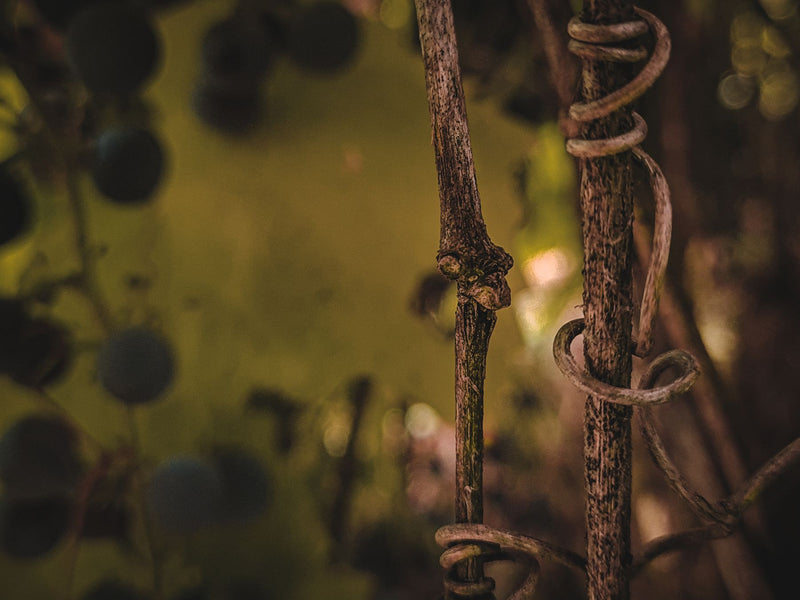
What survived the pullout was the old stuff: gnarled, low yielding bush vines that nobody could be bothered to replant, often sixty, eighty or a hundred years old. That is the whole modern story of the grape. Carignan farmed for quantity is forgettable. Carignan off old vines, dry farmed, cropped low, is one of the great Mediterranean reds.
Israel is where this matters most. Carignan was one of the first varieties planted in the country in the 1880s, it handles heat and drought without irrigation, and the vineyards that are still standing from that era are exactly the old bush vines everyone now wants. It is the Israeli old vine grape by default, because it is the one that was already there.
What it tastes like
Red fruit rather than black. Cranberry, sour cherry, dried raspberry, with something savory underneath that people describe as olive, dried herb, leather or cured meat. There is usually a lift of acidity and a firm, slightly rustic grip of tannin.
What it is not is sweet, soft or plush. Carignan does not taste like jam. If you find big California Cabernet a bit heavy and a bit obvious, this is the grape that fixes it.
| If you like | Carignan will feel |
|---|---|
| Cabernet Sauvignon | Lighter in body, higher in acid, more savory and less sweet fruit |
| Syrah or Shiraz | Similar peppery savor, but red fruited rather than black, and tighter |
| Chianti or Italian reds | Very close cousins. Sour cherry, grip, and food on the table |
If the word tannin is doing a lot of work there, what is tannin in wine explains the sensation in plain language.
The one varietal bottle on the shelf
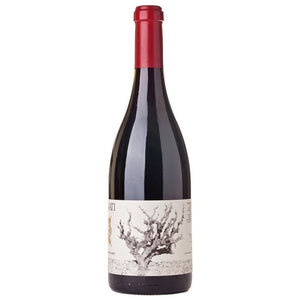
Recanati Reserve Wild Carignan is the bottle that shows you the grape alone, with nothing in the blend to hide behind. The fruit is dry farmed off old vines on the slopes of the Judean Hills, where the roots have to go deep for water because nobody is giving it any. The vines look half wild, which is where the name comes from.
This is the wine that changed how Israeli winemakers thought about Carignan. Before it, the grape was a blending component and a bit of an embarrassment. After it, people started looking for old parcels.
Where you have already been drinking it
Most Carignan reaches your glass inside a blend, and that is not a downgrade. It brings acidity and savory depth to grapes that can get heavy on their own.
- Carmel Selected Mediterranean Blend is the cheapest way to meet it: 45% Shiraz, 30% Carignan, 20% Petite Sirah, with 5% Viognier co-fermented in.
- Jezreel Valley Alfa puts Syrah, Carignan and Argaman together, and it is mevushal, which matters if the bottle is going to be poured by a waiter or passed around a shul kiddush.
- Shiloh Privilege is Cabernet led with Syrah, Cabernet Franc and Carignan. The Carignan is the savory mid-palate that keeps it from tasting like a sweet fruit bomb.
- Carmel Signature Mediterranean 4 Vats Red vats six grapes together, Carignan and Argaman among them, out of the Shomron hills.
- Lewis Pasco The Pasco Project BDX slips Carignan into a Cabernet and Merlot Bordeaux blend from the Benjamin hills.
- Einat 3 Other Cats goes 27% Carignan next to Cabernet and Marselan, grown at 850 meters and given eighteen months in French oak.
- Carmel Mediterranean is the senior version of the same Rhone leaning idea.
Two of those lean on Syrah, and Syrah vs Shiraz covers that grape. What is Petite Sirah covers the other dark partner Carignan usually travels with.
Argaman: the Israeli grape Carignan fathered
In 1972 the Volcani Institute crossed Carignan with the Portuguese grape Souzão and produced Argaman, the only grape ever bred in Israel. The brief was color. Israeli reds of that era came out pale, and Souzão is a teinturier, meaning its flesh is red rather than clear, so the crossing gives ink.
Argaman spent years as a bulk grape and has only recently been taken seriously as a varietal. It tastes like its father: red fruit, herbs, grip, with far more color than it has any right to.
- Barkan Classic Argaman is the easy entry, an Argaman and Merlot blend, mevushal and kosher for Passover.
- Jezreel Valley Argaman is the serious one, the bottling that made the case that this grape deserves its own label.
Barkan does a lot more than this one bottle, and the Barkan range guide walks through the tiers.
Carignan outside Israel
In Montsant, just inland from the Catalan coast, Capcanes makes kosher wine from old Cariñena and Garnacha bush vines. Capcanes Peraj Ha'abib and Capcanes La Flor del Primavera are the two to know, and they taste distinctly Spanish: darker, denser, more mineral than the Israeli style. The Spanish kosher wine guide puts them in context.
In California the grape lives in century old field blends around Lodi and Contra Costa. Hajdu Heirloom Red is Zinfandel, Carignan and Mourvèdre off those old vines, and it is mevushal, which is rare for a wine of that character. Mevushal vs non mevushal explains what that does and does not mean.
How to serve it, and what to eat with it
Serve it cooler than you would a Cabernet. Around 60 to 64 degrees, which for most apartments means twenty minutes in the fridge before dinner. Carignan has real acidity, and warm acidity tastes sour while cool acidity tastes fresh.
Give the bigger bottles an hour open. Old vine Carignan is tight on the first pour and usually better on the second night.
For food it is almost unfair. The savory, acidic, grippy profile is built for the way we actually eat on Shabbos: cholent, braised short ribs, lamb, roast chicken with plenty of garlic, grilled meat, anything with cumin or za'atar on it. What wine goes with cholent makes the case at length, and kosher wine and meat pairing covers the rest of the table.
Browse the full kosher Israeli wine shelf, or start with the best Israeli red wine if you want a shortlist rather than a grape lesson. Free shipping on orders $150+ in the lower 48.