
What Is Petite Sirah? Israel's Darkest Red
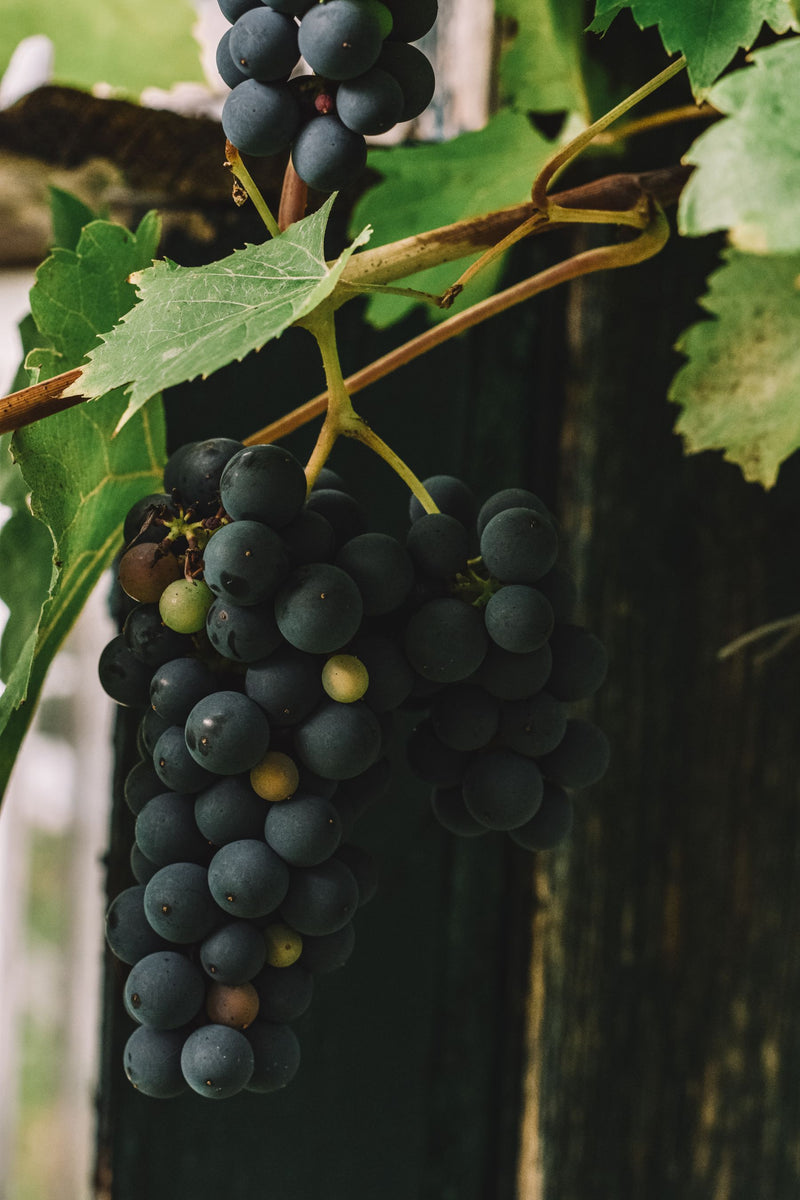
Petite Sirah is the darkest red wine on most kosher shelves, and almost nobody buys it on purpose. People buy the Cabernet, the Merlot, the Shiraz. Then they drink a glass of something at a Shabbos table, find it inky and peppery and much bigger than they expected, turn the bottle around, and see a grape they have never heard of.
Here is what the grape is, why Israel grows so much of it, and which bottles on our shelf are the ones worth knowing.
The name is a trap
Petite Sirah is not a small, light Syrah. It is not Syrah at all, although the two are related: Petite Sirah is the grape a French nurseryman named François Durif raised in the 1860s by crossing Syrah with an older variety called Peloursin. In France it is still called Durif. In California, where it found a real home, it has been Petite Sirah for over a century.
The "petite" is about the berries, not the wine. The grapes grow in small, tight bunches with very small fruit, which means a lot of skin for not much juice inside. Skin is where color and tannin live. Small berries plus thick skins is the whole explanation for the wine in the glass: near-black purple, dense, and grippy.
If you want the real Syrah story instead, Syrah vs Shiraz sorts out the two names for that grape, which confuse people for a completely different reason.
What it tastes like
Blueberry rather than cherry. Black pepper. Dark chocolate and sometimes a dried blue-fruit note like plum skin. Full body, firm tannin, and a long peppery finish that stays dark the whole way through.
The tannin is the part to plan around. Tannin is the drying, gum-gripping sensation in a red wine, and it needs fat and protein to soften against. Drink Petite Sirah on its own and it can read harsh and bitter. Drink it with a lamb chop and the same glass turns round and sweet. What is tannin in wine explains the mechanism properly if that is new.
Why there is so much of it in Israeli wine
Petite Sirah likes heat and it likes sun, and it keeps its acidity in places where Cabernet starts to go flabby. That makes it a natural fit for the Judean foothills, the Judean Hills, the Shomron and the Galilee, and Israeli winemakers worked that out early.
So it shows up two ways. A few wineries bottle it on its own. Far more use it as the dark engine inside a blend, where a slice of Petite Sirah adds color, mid-palate weight and a peppery edge that Cabernet and Merlot do not give you. Once you know the name, you start seeing it in the fine print of half the Israeli reds you already drink.
The bottles: Petite Sirah on its own
| Bottle | Region | What it is | Price |
|---|---|---|---|
| Dalton Estate Petite Sirah | Shimshon | The best place to start. Inky, chewy, built for meat | $21.99 |
| Mony Petite Sirah Reserve | Judean foothills | Twelve months in oak, smoky spice over the dark fruit | $29.99 |
| Teperberg Legacy Petite Sirah | Judean Hills | The serious version, concentrated and grippy | $69.99 |
Dalton Estate Petite Sirah at $21.99 is the one to try first. Dalton grows this fruit down in Shimshon on the Judean foothills rather than up in the Galilee with the rest of the Estate range, and it is the clearest, least complicated picture of what the grape does: blueberry, pepper, dark chocolate, big tannin.
Mony Petite Sirah Reserve at $29.99 is the same idea with twelve months of barrel on it, from the Trappist-monastery winery in the Judean foothills. Denser, smokier, more velvet on the finish.
Teperberg Legacy Petite Sirah at $69.99 is the Yom Tov bottle, from Teperberg's archive label series in the Judean Hills. Save it for a table with a rib roast on it.
The bottles: Petite Sirah inside a blend
This is where most people meet the grape without knowing it.
| Bottle | The Petite Sirah job | Price |
|---|---|---|
| Weinstock Red Blend | Guts under the old-vine Zinfandel, and it is mevushal | $11.99 |
| Teperberg Vision Cabernet / Petite Sirah | Color and grip that a straight Cabernet at this price does not have | $14.99 |
| Dalton Canaan Red | A splash to push the color and lengthen the finish. Mevushal | $15.99 |
| Dalton Alma Crimson | The peppery mid-palate weight in a Cabernet-led Galilee flagship | $27.99 |
| Shiloh Legend Fiddler | Leads on body and color in a three-grape Shomron blend. Mevushal | $44.99 |
Teperberg Vision Cabernet Sauvignon / Petite Sirah at $14.99 is the cheapest honest lesson in what the grape contributes, because the label tells you exactly what is in there and you can taste the difference against a plain Cabernet at the same money.
Dalton Alma Crimson at $27.99 and Shiloh Legend Fiddler at $44.99 are the grown-up versions, where Petite Sirah is doing structural work inside a blend rather than carrying the whole bottle.
If the bottle is going to leave your hand at a catered meal or a restaurant, the mevushal ones matter. Dalton Canaan Red at $15.99, Weinstock Red Blend at $11.99 and Shiloh Legend Fiddler are all mevushal, and mevushal vs non-mevushal covers when that is actually the question.
What to eat with it
Fat and fire. Grilled steak, lamb kebab, short ribs, anything off the coals, merguez, brisket with a dark crust on it. The heavier the dish, the better this grape looks.
It is also one of the few reds that genuinely holds up to cholent, because cholent is fat, beans and long-cooked beef, and it flattens most polite wines. And if you are pouring for a steak, what wine goes with steak puts Petite Sirah next to its competition.
What it is not: a kiddush wine, a first-glass-of-the-evening wine, or a wine for a fish course. Give it something to push against.
How to serve it
Cool room temperature, not warm. A young Petite Sirah improves with twenty or thirty minutes of air, so open it before people sit down rather than when the food lands. If you want the general rules, do you refrigerate red wine covers serving temperature for reds.
Browse the rest of the kosher red wine shelf if you want to compare, or read the best kosher red wine for beginners if Petite Sirah sounds like more wine than you were after. Free shipping on orders $150+ in the lower 48.